Sensor Manufacturing: An Overview of Production Processes and Applications
Sensor manufacturing is the process of designing, producing, assembling, testing, and packaging devices that detect physical or environmental changes.
Sensors can measure conditions such as temperature, pressure, light, motion, humidity, force, vibration, and chemical characteristics. They are used in household devices, vehicles, factories, medical equipment, buildings, agriculture, and electronic systems.
The development of sensor technology is closely connected with advances in electronics, materials science, semiconductor production, and automation. As electronic systems became smaller and more capable, sensors also became more compact and easier to integrate with digital controllers and communication networks.
Modern sensor production combines several stages. These can include preparing sensing materials, forming electronic components, assembling parts, connecting electrical elements, calibrating the device, testing performance, and protecting the finished sensor from environmental conditions. The equipment used depends on the sensor type, physical structure, materials, and required measurement characteristics.
Types of Sensors and Their Construction
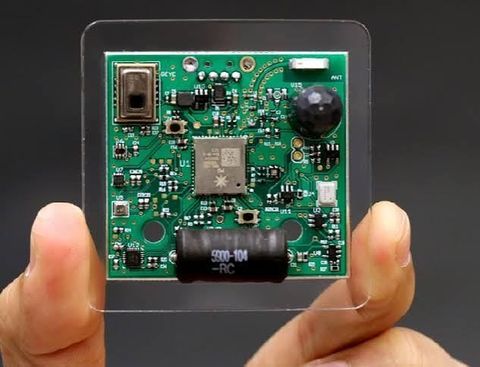
Different sensors use different physical principles. A temperature sensor may rely on changes in electrical resistance, while a pressure sensor can use a flexible element whose movement changes an electrical signal. Optical sensors detect changes in light, and motion sensors can identify movement through changes in infrared radiation, acceleration, or other physical properties.
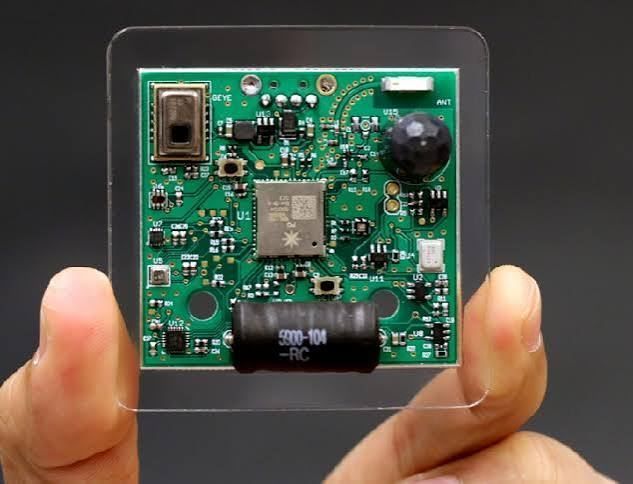
Electronic sensor manufacturing therefore involves a combination of mechanical and electronic processes. Some devices contain semiconductor elements, while others use ceramic, metallic, polymer, or composite materials.
Main Production Stages
A typical sensor production process may include:
- Material preparation and component fabrication.
- Formation of sensing elements and electronic structures.
- Component placement and electrical connection.
- Encapsulation or protective packaging.
- Calibration and functional testing.
- Final inspection and documentation.
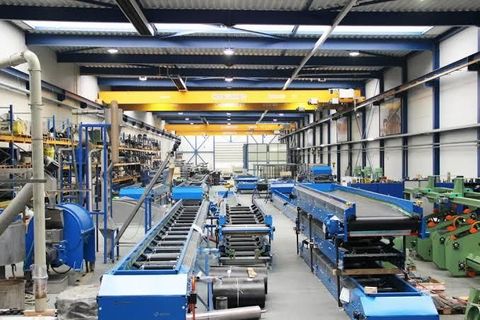
Sensor manufacturing machinery can support several of these activities. Depending on the production scale, a facility may use specialized assembly equipment alongside inspection and testing systems.
Importance
Sensors are important because automated systems need information about their surroundings and operating conditions. A machine can use sensor data to determine whether a temperature is within a specified range, whether an object is present, or whether movement has occurred.
Industrial sensor manufacturing supports applications in production facilities, transportation, energy systems, buildings, and equipment monitoring. Sensor information can be combined with control systems so that machines respond to changing conditions according to predefined instructions.
Supporting Everyday Technology
Many everyday technologies depend on sensors. Smartphones contain several types of sensing devices for functions such as orientation, brightness adjustment, and motion detection. Vehicles use sensors to monitor conditions involving speed, temperature, pressure, distance, and other operating factors.
Home appliances can also use sensors to detect temperature, water levels, movement, or other conditions. These applications illustrate how sensor technology connects physical events with electronic systems.
Supporting Industrial Processes
Industrial sensor equipment can collect information from production environments. Sensors may monitor machine vibration, pressure, temperature, flow, position, or material movement.
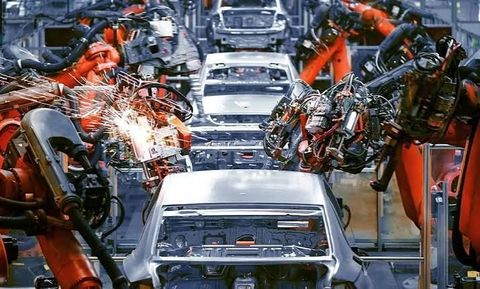
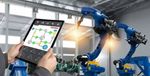
Automated sensor manufacturing systems are themselves examples of how sensors and automation can work together. Production equipment can use measurement devices to verify positioning, detect components, monitor process conditions, and identify deviations during assembly.
Precision and Reliability Considerations
Sensor manufacturing requires attention to dimensional accuracy, electrical characteristics, calibration, environmental protection, and repeatability. A sensor that measures a physical condition must convert that condition into an electrical or digital signal that can be interpreted by another system.
Precision sensor manufacturing equipment can be used where production requires controlled positioning, material placement, or measurement. Testing is also an important stage because manufacturing variations can influence sensor behavior.
| Production Stage | Typical Activity | Related Equipment |
|---|---|---|
| Component preparation | Material and electronic component preparation | Fabrication and preparation equipment |
| Assembly | Joining sensing and electronic elements | Automated assembly equipment |
| Inspection | Checking dimensions and connections | Optical and measurement systems |
| Calibration | Comparing sensor output with reference conditions | Calibration instruments |
| Testing | Evaluating electrical and functional behavior | Test systems |
| Packaging | Protecting the sensing structure | Encapsulation and packaging equipment |
Recent Updates
From 2024 through 2026, sensor manufacturing has continued to move toward greater miniaturization, automation, connectivity, and integration with digital systems. Sensors are increasingly designed to operate as components within connected equipment rather than as isolated measuring devices.
Smart Sensor Manufacturing Systems
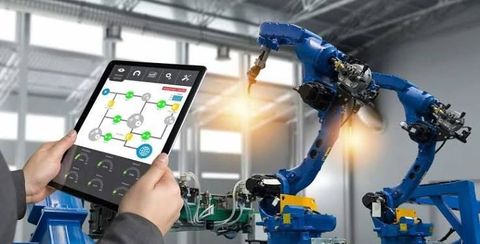
Smart sensor manufacturing systems can combine production equipment with software that collects process information. Data from machines and inspection equipment can help production teams understand process conditions and identify variations.
Industrial sensor production machinery is also becoming more integrated. Automated equipment may coordinate component placement, inspection, testing, and movement between production stages.
Growth of Connected and Embedded Sensors
Sensors are increasingly incorporated into connected products and industrial equipment. A sensor may collect information and transmit it to another device, controller, or software platform for analysis.
This trend has increased interest in advanced electronic sensor manufacturing. Smaller components, improved electronic integration, and more efficient communication methods allow sensing functions to be incorporated into products with limited physical space.
Greater Use of Automated Inspection
Automated industrial sensor production systems increasingly use cameras, measurement instruments, and software-based inspection. These systems can examine component placement, physical characteristics, electrical connections, or other defined production requirements.
Automated sensor assembly equipment can also coordinate repetitive placement and joining tasks. Human operators may remain involved in equipment setup, monitoring, maintenance, verification, and handling activities.
Integration of Sensors With Intelligent Systems
Advanced industrial sensor systems are increasingly connected to data-processing platforms. In some applications, sensor data can be combined with software algorithms to identify patterns or changes.
This development has also encouraged the use of high performance sensor production systems designed around more complex electronic components. However, sensor performance still depends on physical design, materials, calibration, environmental conditions, and the quality of the production process.
Tools and Resources
Sensor production involves a broad range of equipment and technical resources. The specific tools depend on whether production involves semiconductor-based sensors, mechanical sensing elements, optical components, or other designs.
Production and Assembly Equipment
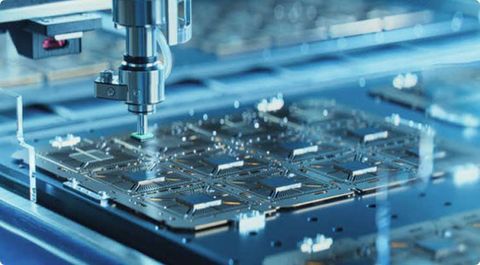
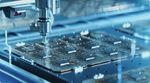
Sensor production machines can include component placement systems, bonding equipment, soldering systems, dispensing equipment, encapsulation equipment, and automated inspection tools. Precision sensor assembly systems are used when components must be positioned accurately during production.
High precision sensor manufacturing equipment may also incorporate controlled motion systems and measurement instruments. These tools help maintain defined production conditions during component assembly.
Testing and Calibration Resources
Calibration instruments are used to compare sensor output with known reference conditions. Depending on the sensor, testing may involve controlled temperature, pressure, light, force, vibration, or electrical signals.
Useful resources include:
- Sensor calibration reference materials.
- Measurement and testing guidelines.
- Process documentation templates.
- Equipment maintenance records.
- Quality-control checklists.
- Technical datasheets for sensing components.
- Production flow diagrams for documenting assembly stages.
Standards and Technical Documentation
Technical standards can provide terminology, measurement methods, testing principles, and other guidance relevant to sensor production. Manufacturer datasheets and engineering documentation can also explain electrical characteristics, operating ranges, connection methods, and environmental considerations.
Complete sensor manufacturing systems may combine fabrication, assembly, inspection, calibration, and testing equipment. The appropriate configuration depends on the sensor design and production requirements.
FAQs
What is sensor manufacturing?
Sensor manufacturing involves producing devices that detect physical, environmental, or chemical conditions. The process can include component fabrication, assembly, calibration, testing, and protective packaging.
What equipment is used in sensor manufacturing?
Sensor manufacturing equipment can include assembly machines, dispensing systems, bonding tools, inspection cameras, calibration instruments, testing equipment, and packaging systems. The exact equipment depends on the sensor design.
What is industrial sensor manufacturing?
Industrial sensor manufacturing focuses on producing sensors used in industrial equipment and processes. These sensors can measure factors such as pressure, temperature, vibration, position, flow, and other operating conditions.
How does automated sensor manufacturing work?
Automated sensor manufacturing uses machines and software to perform selected production steps according to defined instructions. Automated sensor assembly equipment may place, connect, inspect, or test components while operators oversee the overall process.
What are smart sensor manufacturing systems?
Smart sensor manufacturing systems combine production equipment, sensors, software, and data collection to monitor manufacturing activities. They can provide information about equipment conditions and production processes for analysis and process control.
Conclusion
Sensor manufacturing combines materials, electronics, mechanical assembly, calibration, testing, and protective packaging to create devices that convert physical conditions into usable signals. Industrial and electronic sensors are used across manufacturing, transportation, consumer electronics, buildings, and connected equipment. Recent developments have increased the use of automation, digital monitoring, miniaturized components, and connected production systems. The resulting manufacturing environment combines specialized equipment with measurement, inspection, and data-processing technologies.