Non-Surgical Hair Volumizing Explained: Overview, Basics, Insights & Practical Tips
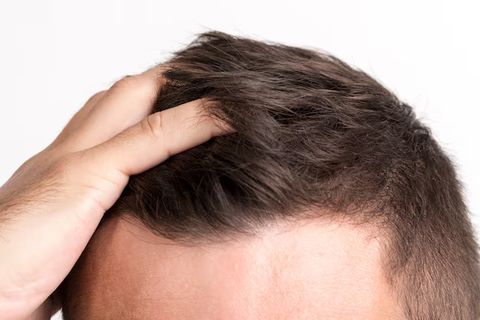
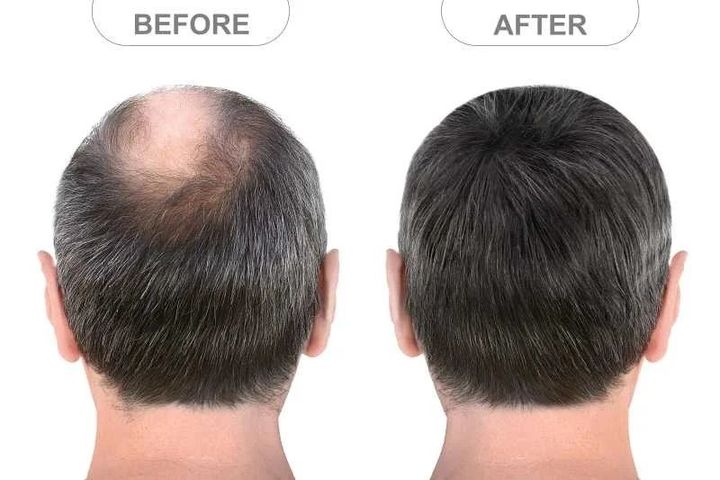
Non-surgical hair volumizing refers to a range of methods designed to enhance the appearance of fuller, thicker-looking hair without medical procedures. These techniques include topical thickening products, fiber-based enhancement, scalp-focused routines, heatless styling approaches, and modern aesthetic applications such as low-level light routines and advanced formulation technologies.
The concept exists because many individuals experience flatness, thinning appearance, or reduced hair density due to genetics, age, environmental exposure, nutritional patterns, or hormonal shifts.
The topic became prominent as people sought gentler solutions that do not involve surgery, injections, or clinical-level interventions. Over the past decade, research-driven hair science has introduced ways to improve visual density by focusing on scalp wellness, strand condition, and optical thickness enhancement. These methods aim to give a fuller look through structure, texture, shine control, and root-lifting techniques.
Non-surgical volumizing continues to expand as new insights into keratin behavior, follicle aging, and environmental stress accumulation become better understood. As a result, the field has grown into both a cosmetic and educational category, helping individuals adopt daily habits, evidence-informed routines, and supportive products that improve hair appearance safely.
Importance: Why This Topic Matters Today and Who It Affects
Hair thinning is increasingly discussed due to lifestyle factors such as stress, urban pollution, heat styling, and nutrient variations. While thinning does not always indicate medical issues, it can influence self-image and routine grooming practices. Non-surgical volumizing matters because it provides a practical approach for individuals wanting to improve visual fullness without undergoing intensive procedures.
This topic is relevant across many age groups:
-
Individuals noticing early signs of reduced density
-
People experiencing temporary shedding due to seasonal change
-
Those managing hair fragility from styling or environmental exposures
-
Individuals seeking low-maintenance appearance enhancement
It addresses several common concerns:
-
Improving root lift and creating optical depth
-
Reducing flatness caused by humidity or buildup
-
Enhancing texture in fine or straight hair
-
Supporting scalp hydration and strand resilience
Because these approaches are non-invasive, they offer an accessible way to learn and apply techniques regardless of hair type. The importance also lies in education—understanding how volume perception works helps people make informed decisions and adopt safe practices based on hair science rather than trends.
Recent Updates: Changes, Findings, and Trends (2024–2025)
Non-surgical hair volumizing has seen notable updates over the past year. Research published across cosmetic science forums between 2024–2025 highlighted improvements in strand-coating polymers and humidity-resistant formulations, which help maintain consistent lift throughout the day. In mid-2024, several cosmetic laboratories introduced ingredients that target structural reinforcement at the cuticle level, allowing finer hair to hold its shape longer.
In March 2025, discussions within cosmetic chemistry communities raised interest in plant-derived volumizing agents that provide a lighter feel and reduce buildup, addressing concerns about heavy formulations. Additionally, innovation in light-based scalp stimulation routines gained traction through 2024, emphasizing low-level exposure patterns that may support visual density by improving scalp condition.
Digital tools also expanded. Throughout 2024, hair analysis apps using AI improved their ability to examine strand diameter, breakage patterns, and density distribution, helping users understand which volumizing practices may suit them best.
There is also an increasing trend towards fragrance-neutral or hypoallergenic volumizing products due to rising consumer sensitivity awareness during 2024–2025. These updates reflect a shift toward clean formulation principles, data-driven recommendations, and personalized hair wellness insights.
Laws and Policies: Regulations Affecting Non-Surgical Hair Volumizing
Non-surgical volumizing relies on cosmetic ingredients, meaning it is regulated under standard cosmetic safety guidelines rather than medical policy. Most countries follow frameworks similar to:
-
Ingredient safety evaluation
-
Allergen labeling requirements
-
Stability and contamination checks
-
Claims regulation to prevent misleading statements
In the United States, such products fall under FDA cosmetic regulations, which ensure ingredient disclosure and prohibit unverified medical claims. Similar frameworks apply in the European Union, where the Cosmetic Products Regulation requires specific documentation, concentration limits for certain compounds, and responsible person designation.
Countries in Asia—including India—follow regulations through their health ministries or standards authorities. India, for example, aligns many cosmetic safety standards with the Bureau of Indian Standards (BIS), focusing on ingredient norms and proper labeling.
These rules ensure non-surgical volumizing methods remain safe for general use, maintain transparency, and avoid therapeutic claims. Techniques like heatless styling, nutritional adjustments, and light exposure routines are not regulated products but must still follow safety guidance provided by health organizations to prevent misuse.
Tools and Resources: Helpful Apps, Guides, Data Tools, and Learning Platforms
Several digital and educational tools support individuals exploring non-surgical volumizing. These resources offer information, analysis, or tracking features:
Hair Analysis and Tracking Tools
-
AI-based hair scanner apps that interpret strand patterns and offer texture insights
-
Scalp hydration trackers that monitor dryness levels visually
-
Breakage tracking apps that compare before-and-after images
Educational Platforms
-
Cosmetic science organizations providing fundamentals of hair structure
-
Dermatology association websites offering general scalp wellness information
-
Hair biology portals explaining keratin behavior and follicle aging
Routine Planning Tools
-
Volume routine planners with step-by-step structure
-
Heatless styling diagrams and digital tutorials
-
Humidity-level trackers to help plan volumizing techniques
Ingredient Databases
-
Cosmetic ingredient encyclopedias explaining polymer behavior
-
Databases listing botanical extracts and their cosmetic functions
These resources allow individuals to better understand how volume is perceived and maintained. They also help users experiment with informed approaches involving airflow direction, water temperature, strand alignment, and hydration control.
Practical Insights and Tips: Everyday Approaches for Volume Enhancement
Non-surgical volumizing focuses on enhancing the appearance of fullness by supporting strand structure and optical density. Some commonly used approaches include:
Hair and Scalp Practices
-
Gentle cleansing schedules to remove buildup without stripping
-
Scalp exfoliation routines that support a cleaner surface for root lift
-
Hydration-balanced conditioning applied mainly to lengths, not roots
Styling Techniques
-
Air-dry root lifting with controlled finger movement
-
Heatless curling for added texture
-
Strategic sectioning to increase distribution and spacing
Environmental and Lifestyle Considerations
-
Minimizing exposure to heavy pollution to reduce dullness
-
Managing humidity by choosing lightweight formulations
-
Using satin pillowcases to reduce flattening overnight
Optical and Textural Strategies
-
Using strand-coating ingredients that increase the appearance of width
-
Incorporating fiber-binding formulations for temporary fullness
-
Adding texture through movement-based styling patterns
These practices can be mixed and adapted to hair type, climate, and personal routine preferences.
Common Non-Surgical Volumizing Methods and Their Purpose
| Method Type | Purpose | Notes |
|---|---|---|
| Scalp-focused routines | Support cleaner base for lift | Useful for oily scalps |
| Strand-thickening formulations | Enhance optical density | Works for fine hair |
| Heatless styling | Add shape and movement | Reduces heat exposure |
| Light-based routines | Support scalp condition | Uses low-level exposure |
| Texturizing strategies | Increase visual width | Works across hair types |
FAQs
What is the main purpose of non-surgical hair volumizing?
It aims to enhance the appearance of thicker, fuller-looking hair through cosmetic techniques, styling methods, and supportive routines without medical procedures.
Does non-surgical volumizing work for all hair types?
These techniques generally apply to many hair types. The effectiveness varies depending on strand diameter, natural texture, climate, and routine consistency.
Can volumizing routines be used daily?
Yes, many techniques such as airflow direction, root lifting, and hydration balancing can be incorporated into daily grooming. However, individuals should monitor how their hair responds to avoid dryness or buildup.
Is scalp health important for better volume?
Scalp condition influences root lift and strand alignment. A clean, balanced scalp environment supports better visual fullness and improves overall appearance.
Are recent innovations making a difference?
Yes. Advances in polymers, botanical-derived agents, and digital analysis tools (2024–2025) have contributed to more refined volumizing strategies with lighter textures and improved hold.
Conclusion
Non-surgical hair volumizing has evolved into a knowledge-driven area that blends cosmetic science, scalp wellness, and practical styling insights. It offers accessible ways to enhance the appearance of fullness without invasive methods, making it valuable for individuals noticing early thinning patterns or those who simply want to refine everyday texture. With continuous updates in formulation technology, digital analysis, and scalp-focused research, the field continues to expand responsibly under established cosmetic regulations. Understanding the basics, exploring available tools, and applying evidence-informed techniques empower anyone to create a fuller-looking hairstyle through safe, non-invasive approaches.