Music System Basics: Learn About Audio Components and Setup Options
Music system basics begin with understanding how separate audio components work together to produce, control, and reproduce sound.
A typical setup may include a source device, amplifier, speakers, cables, and controls. Modern systems can also include wireless connections, streaming platforms, digital audio files, and compact integrated units.
The idea of combining components for sound reproduction developed alongside recorded audio. Early systems relied on physical media and basic electrical amplification, while later developments introduced radio, magnetic tape, compact discs, digital files, and network-based playback. Today, many systems combine older audio principles with digital technology.
Main Audio Components
A music system can contain several components, each with a specific role:
- Source: Provides the audio signal, such as a phone, computer, turntable, CD player, radio tuner, or network player.
- Amplifier: Increases the strength of the audio signal so it can drive speakers.
- Speakers: Convert electrical signals into sound waves that people can hear.
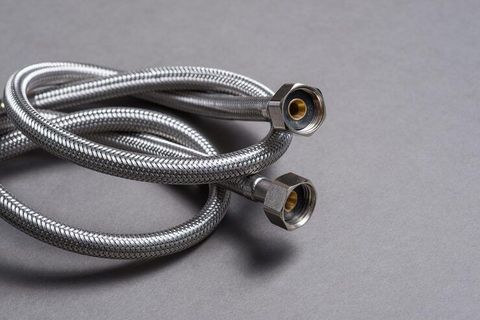
- Cables: Carry audio or power signals between compatible components.
- Controls: Include volume, input selection, tone controls, and other adjustments.
- Digital-to-analog converter: Converts digital audio information into an analog signal for equipment that requires it.
Some systems combine several functions in one enclosure. For example, an integrated amplifier may include amplification and input controls, while an all-in-one music system may include speakers, wireless connectivity, and multiple playback options.
Common Setup Options
Music system setups vary according to room size, listening habits, available equipment, and the type of audio sources involved.
| Setup type | Main components | Typical use |
|---|---|---|
| Compact system | Integrated unit and speakers | Small rooms and simple playback |
| Stereo system | Source, amplifier, two speakers | Two-channel listening |
| Wireless system | Network or Bluetooth source and speakers | Convenient digital playback |
| Turntable system | Turntable, phono stage, amplifier, speakers | Record playback |
| Computer audio | Computer, DAC or interface, amplifier, speakers | Digital music |
| Multi-room system | Network-connected audio units | Playback across several rooms |
Understanding these basic arrangements makes it easier to identify which components are necessary and which functions are already built into a particular system.
Importance
Music system basics matter because audio equipment can appear complicated even when its underlying principles are straightforward. Knowing the purpose of each component helps people understand why a system may need certain connections and how different devices interact.
The subject also affects everyday listening. Phones, computers, televisions, game consoles, record players, and streaming devices can all act as audio sources. However, they may use different connection types and signal formats, so compatibility is an important consideration.
Understanding Audio Signals
An audio signal carries information about sound from one part of a system to another. Analog audio represents the sound as a continuously varying electrical signal, while digital audio stores sound information as numerical data.
Digital audio usually needs conversion before conventional analog amplification and speaker drivers can reproduce it. This conversion can happen inside a source device, an amplifier, an external DAC, or another connected component.
Understanding Speaker Placement
Speaker position can affect how a stereo system sounds within a room. Reflections from walls, floors, ceilings, and furniture can change the perceived balance and clarity.
For a basic stereo arrangement, the two speakers are generally positioned so that the listener forms roughly a triangle with them. Exact placement depends on the room and the speakers, so there is no single arrangement that applies to every environment.
Matching Components
Compatibility involves more than physical connections. Important factors can include connector type, signal level, speaker impedance, amplifier output, power requirements, and supported digital formats.
A simple way to evaluate a proposed setup is to trace the audio path:
Source → signal processing or conversion → amplification → speakers → listener
If one required stage is missing, the system may not operate as intended. Some devices contain multiple stages, which is why a complete system does not always require separate boxes for every function.
Recent Updates
From 2024 through 2026, the general direction of home audio has continued toward greater integration between traditional components and network-connected technology. Wireless playback, Bluetooth connectivity, Wi-Fi audio, and app-based controls have become common features across many categories of equipment.
Digital and Wireless Audio
Network-connected systems allow compatible devices to receive audio over a home network. Bluetooth remains useful for direct connections from phones, tablets, and computers, while Wi-Fi-based systems can support network playback and multi-room arrangements.
Streaming has also changed the role of the traditional source component. Instead of relying only on physical media, listeners can access digital libraries through computers, mobile devices, televisions, and dedicated network equipment.
Continued Interest in Physical Media
Digital listening has expanded, but physical formats such as vinyl records and compact discs remain part of the current audio landscape. This means modern music system basics may involve both digital and analog components.
Turntables require particular attention because their output may need phono-level amplification before reaching a standard line-level input. Some turntables include this function internally, while others require a separate phono stage or compatible amplifier input.
Simpler Integrated Systems
Another continuing trend is component integration. Devices increasingly combine functions that were once handled by separate units, such as wireless connectivity, digital conversion, amplification, and playback controls.
This approach can reduce the number of individual components in a setup while still relying on the same basic audio chain.
Tools and Resources
Several tools can help people understand or plan an audio setup. Manufacturer manuals and technical specifications are useful for checking supported inputs, outputs, impedance ranges, power requirements, and digital formats.
Online audio calculators can help with basic electrical or acoustic calculations, including speaker impedance arrangements and room dimensions. Audio forums and educational websites can also provide explanations of terminology, although information from community discussions should be checked against equipment documentation.
Useful Reference Areas
Helpful resources include:
- Product manuals for connection diagrams and technical specifications.
- Audio glossaries for terms such as impedance, sensitivity, frequency response, DAC, and amplifier.
- Room-measurement tools for estimating speaker placement and listening positions.
- Digital-audio references for understanding file formats, sampling rates, and bit depth.
- Cable and connector guides for identifying compatible connection types.
- Manufacturer setup guides for wireless, network, and multi-room configurations.
These resources are most useful when used to verify technical information rather than relying on assumptions about how different devices should connect.
FAQs
What are the basic components of a music system?
The basic components are usually an audio source, amplification, and speakers. Depending on the equipment, additional components such as a DAC, phono stage, tuner, cables, or network device may be included.
How does a music system produce sound?
A source provides an audio signal. The signal may be processed or converted, then amplified before reaching the speaker drivers, which transform the electrical signal into sound waves.
What is the difference between a wired and wireless music system?
A wired music system transfers audio through physical connections such as analog or digital cables. A wireless music system can transfer audio through technologies such as Bluetooth or Wi-Fi, although some wired connections may still be required for power or other components.
What should I learn first about music system basics?
Start by learning the role of the source, amplifier, speakers, and connections. Then study signal types, speaker placement, and compatibility between components.
Can a music system use both digital and analog sources?
Yes. A system can accommodate both types when its components provide compatible inputs and processing. For example, a turntable can provide an analog source while a computer or network player can provide digital audio.
Conclusion
Music system basics involve understanding how sources, signal processing, amplification, speakers, and connections work together. Modern systems increasingly combine traditional audio components with Bluetooth, Wi-Fi, streaming, and integrated controls. Compatibility, signal paths, and speaker placement remain important concepts regardless of system size. Learning these fundamentals provides a clear foundation for understanding different audio setups and their functions.