Music Festival Destinations: A Complete Guide with Key Insights & Helpful Tips
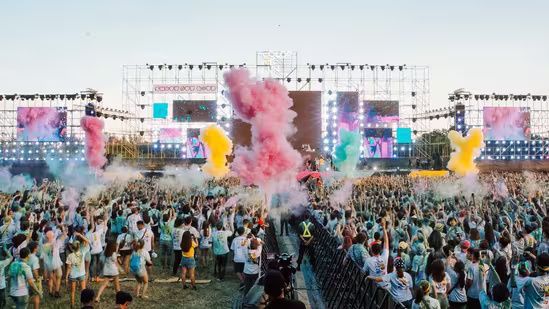
Music festival destinations are places known for hosting large-scale cultural gatherings built around live performances, artistic expression, and community experiences. These destinations can be urban spaces, natural landscapes, heritage sites, or purpose-built event grounds that attract visitors from different regions. The idea exists to create shared cultural environments where people enjoy diverse genres, discover new artists, and participate in collaborative celebrations.
Over time, music festivals have grown from niche gatherings into major cultural events with global audiences. Destinations associated with well-known festivals often develop strong creative identities, blending music with local food, art installations, workshops, and cultural activities. As a result, festival destinations now serve broader purposes—supporting creativity, cultural exchange, and tourism-related experiences while encouraging people to explore different regions.
Importance
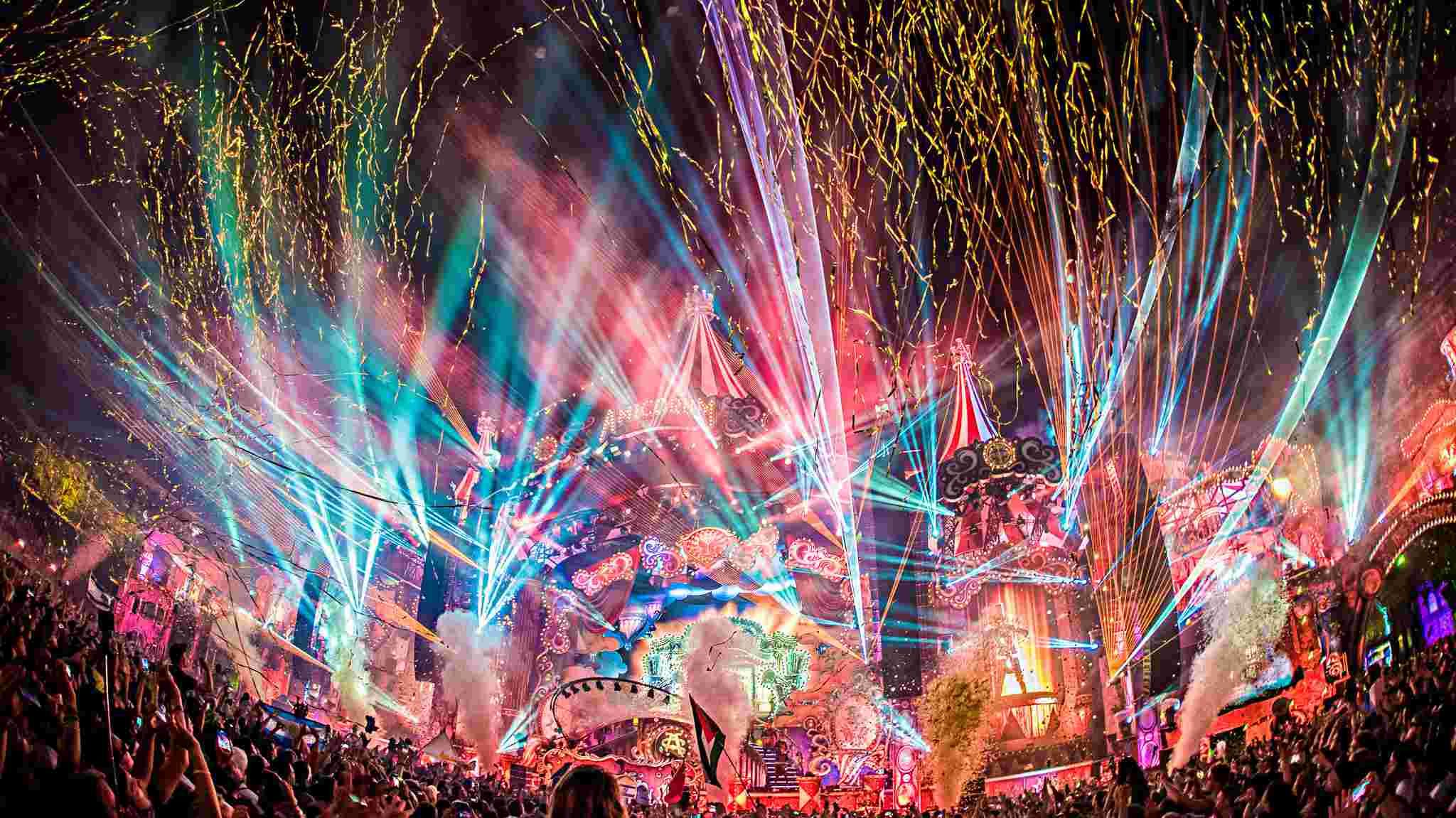
Music festival destinations matter today because they influence cultural engagement, travel patterns, and community interaction. They affect travelers looking for meaningful experiences, artists seeking exposure, event organizers planning safe large-scale gatherings, and local communities that support festival logistics.
These destinations help solve several problems related to cultural accessibility and engagement:
-
They create spaces for people to explore global music traditions in one place.
-
They support emerging artists by giving them public platforms.
-
They contribute to cultural preservation by showcasing local art, crafts, and traditions.
-
They encourage social interaction in an environment centered on creativity rather than commercial entertainment.
-
They help highlight environmentally responsible event practices through policies and community-led initiatives.
As festivals become more diverse in format—ranging from electronic and indie music to classical, jazz, and folk—the destinations hosting them continue to evolve into cultural hubs with long-term significance.
Recent Updates
Several developments have shaped music festival destinations in recent years. Even without naming specific years, recent periods have seen changes in how festivals operate, how audiences travel, and how destinations adapt.
-
Hybrid and multi-format experiences
Many destinations have introduced digital streaming segments or hybrid participation options. This shift emerged as organizers looked for ways to increase global accessibility. -
Sustainability-focused changes
Festivals have been adopting environmentally conscious practices such as waste-sorting zones, reusable cup systems, low-impact camping areas, and partnerships with environmental groups. These updates reflect growing audience awareness around eco-friendly travel and event participation. -
Health and safety enhancements
Destinations now emphasize improved crowd management, hydration zones, medical stations, and emergency protocols. Updates in public-space management have become central to event planning. -
Rise of boutique and niche festivals
There is notable growth in smaller, curated festivals that focus on specific genres, cultural themes, or local ecosystems. These boutique destinations attract travelers seeking intimate, community-centered environments. -
Stronger integration of local culture
Many festival destinations are expanding their programs to include indigenous music, regional crafts, culinary showcases, and cultural tours. -
Growth of daytime and wellness-oriented festivals
Recent trends highlight the demand for festivals featuring yoga, meditation, workshops, and nature immersion alongside live music.
These updates reflect broader cultural shifts in how people choose travel experiences and how destinations adapt to responsible, diversified event models.
Laws or Policies
Music festival destinations are influenced by various rules and guidelines that shape how events operate. While specific country regulations are not mentioned, several universal policy areas affect festival planning worldwide.
-
Public safety and crowd regulations
Destinations typically follow guidelines related to capacity limits, emergency exits, fire safety systems, and on-site medical support. These policies ensure safe movement and reduce overcrowding risks. -
Environmental protection norms
Many natural or heritage destinations follow rules that limit noise levels, protect sensitive ecosystems, and regulate waste management practices. Local authorities may guide organizers on permissible areas for camping or stage setups. -
Noise and sound regulations
Destinations often have time-based sound limits and decibel guidelines to balance cultural events with community life. -
Permits for public gatherings
Festivals usually require event permits related to temporary structures, road access, food vendors, and transportation coordination. -
Cultural preservation rules
Some destinations emphasize the responsible use of culturally significant sites, ensuring that events align with local values and heritage protections.
These frameworks help ensure that festival destinations operate responsibly, protect communities, and maintain long-term cultural value.
Tools and Resources
A range of tools and resources can support planning, exploration, or learning about music festival destinations.
Travel and Festival Planning Apps
-
Google Maps – Navigation and area exploration
-
Rome2Rio – Multi-modal travel planning
-
TripIt – Itinerary organization
-
PackPoint – Packing preparation based on weather and activities
Festival Discovery Platforms
-
Songkick – Tracking artist tours and festival lineups
-
Bandsintown – Alerts for nearby events
-
Resident Advisor – Electronic and underground music events
-
Festicket (informational use only) – Festival discovery and research
Weather and Environment Tools
-
AccuWeather – Destination weather forecasting
-
Windy – Live environmental patterns
-
AirVisual – Air quality information
Safety and Local Information Resources
-
Local tourism websites – Cultural guidelines and destination insights
-
Event management advisories – Safety recommendations for large gatherings
-
Navigation tools – Area maps for festival grounds
Travel Readiness and Documentation Tools
-
Mobile wallet apps – Store boarding passes and reservations
-
Language translation apps – Basic communication when traveling internationally
These tools help travelers understand locations, prepare effectively, and experience festival destinations with greater awareness.
Sample Overview of Music Festival Destination Types
| Destination Type | Key Characteristics | Typical Activities |
|---|---|---|
| Desert Festivals | Wide open landscapes, art installations, themed camps | Interactive art, electronic music, community events |
| Coastal Festivals | Stages near beaches, sunsets, and water-based activities | Live concerts, cultural programs, beach gatherings |
| Mountain Festivals | Cooler climates, scenic backdrops, nature-oriented | Acoustic sets, hiking, eco-workshops |
| Urban Festivals | City infrastructure, multiple stages, nightlife | Multi-genre music, local food scenes, art districts |
| Heritage or Cultural Destinations | Historic venues or culturally significant regions | Folk music, cultural celebrations, craft showcases |
FAQs
What makes a destination suitable for a music festival?
A suitable festival destination typically offers open spaces, accessibility, accommodation options, cultural relevance, and the ability to handle large crowds safely. Environmental stability and local community support are also important factors.
How do travelers evaluate which festival destination is right for them?
Travelers often consider climate, genre preferences, accessibility, cultural offerings, accommodation availability, and overall event structure. Researching past editions helps understand the nature of the crowd, facilities, and experience.
Are music festival destinations safe for solo travelers?
Safety depends on destination management, event policies, and local conditions. Many festival destinations provide security teams, medical stations, and well-organized entry and exit systems to support visitor safety.
How do festival destinations manage environmental impact?
Destinations may use waste segregation systems, reusable materials, eco-friendly infrastructure, and controlled access areas. Some also partner with environmental groups to maintain sustainable practices.
Can festival destinations influence local culture?
Yes, festivals often highlight regional traditions, food, and music, encouraging cultural appreciation. They can strengthen community identity while promoting creative exchanges between local and international visitors.
Conclusion
Music festival destinations continue to play an important role in shaping global cultural engagement. They bring people together through shared artistic experiences while supporting creativity, local traditions, and community participation. As festival landscapes evolve, destinations increasingly emphasize sustainability, safety, and cultural respect, ensuring that visitors can enjoy diverse music traditions in meaningful and responsible ways.
Understanding these destinations—how they operate, how they adapt, and how they offer cultural value—helps travelers make informed choices. With thoughtful preparation and awareness of available tools, music festival experiences can become enriching journeys that connect people with global creativity and community spirit.