Mechanical Building Systems: An Overview of Modern Building Infrastructure
Mechanical building systems are the equipment and interconnected components that help buildings maintain comfortable, functional, and controlled indoor environments.
They include heating, cooling, ventilation, plumbing, air movement, water distribution, and related control equipment. These systems are found in homes, offices, commercial properties, hospitals, factories, educational facilities, and other structures.
Building mechanical systems developed as buildings became larger and more complex. Natural ventilation and basic water systems were gradually supplemented by mechanical equipment that could move air, regulate temperature, distribute water, and manage indoor conditions. Today, mechanical building equipment can range from relatively simple components to integrated digital systems.
Main Components of Building Mechanical Systems
A building can contain several mechanical systems that perform different functions. HVAC mechanical systems manage indoor temperature, humidity, and air movement, while mechanical plumbing systems handle water distribution, drainage, and related plumbing functions.
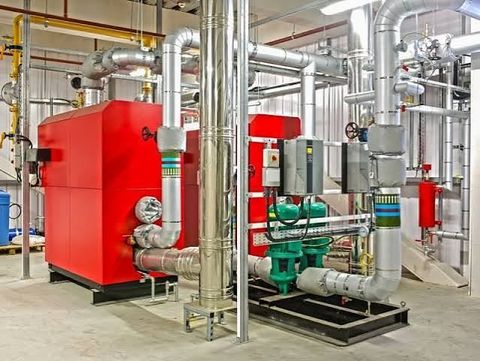
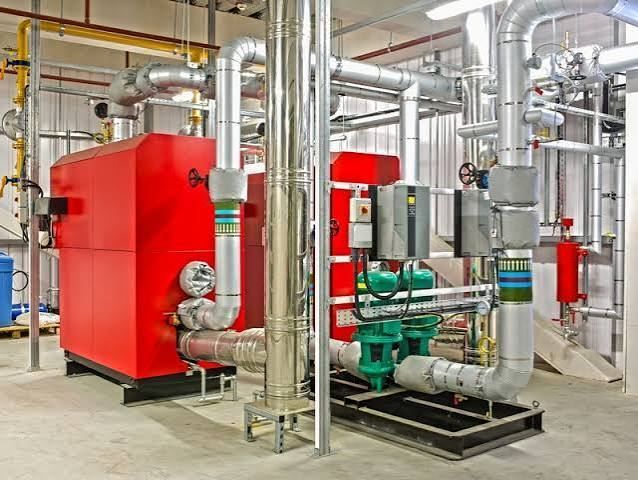
Building ventilation systems introduce outdoor air and remove indoor air according to the requirements of the building. Pumps, fans, boilers, chillers, air-handling units, heat exchangers, ducts, pipes, valves, and control devices may form part of a larger mechanical arrangement.
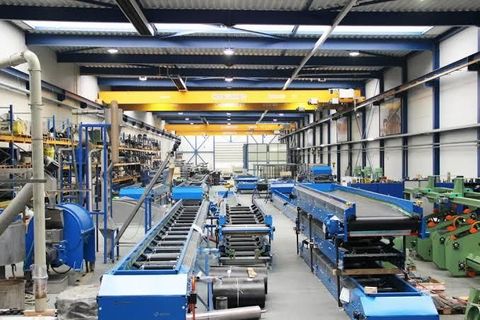
Commercial mechanical building systems are generally more complex than systems in smaller buildings because they may need to serve many rooms, occupants, and operating zones. Industrial mechanical building systems can have additional requirements related to production areas, equipment heat, air quality, and process conditions.
How Mechanical Systems Work Together
Individual systems are often connected rather than operating completely independently. For example, an HVAC system may use sensors to measure indoor conditions, controllers to process the information, and equipment to adjust airflow or temperature.
Integrated building mechanical systems can coordinate multiple components through centralized controls. This arrangement allows building operators to monitor equipment conditions and adjust operating parameters from designated control interfaces.
Importance
Mechanical building systems affect how people experience indoor spaces every day. Temperature, ventilation, water availability, humidity, and indoor air movement can influence comfort and the practical use of a building.
In commercial properties, building mechanical equipment systems support offices, retail spaces, hotels, educational buildings, healthcare facilities, and other environments. In industrial settings, mechanical systems can also support production areas and specialized operating conditions.
Indoor Comfort and Air Movement
HVAC mechanical systems help regulate indoor temperature by transferring heat into or out of occupied areas. Building ventilation systems manage the movement of outdoor and indoor air, which can help maintain appropriate ventilation when designed and operated according to applicable requirements.
Different spaces may require different conditions. An office, storage area, laboratory, workshop, and production facility can have distinct temperature, airflow, humidity, and ventilation requirements.
Water and Plumbing Functions
Mechanical plumbing systems are another important part of building infrastructure. They can include water supply pipes, pumps, valves, drainage arrangements, water heating equipment, and related components.
Commercial building mechanical systems may need to distribute water across multiple floors and areas. Industrial building mechanical equipment can involve larger flows or specialized arrangements depending on the activities taking place inside the facility.
Energy and Resource Management
Mechanical systems can account for a substantial portion of a building's energy use, particularly where heating, cooling, ventilation, and pumping operate for long periods. For this reason, system design increasingly considers equipment efficiency, controls, insulation, airflow management, and operating schedules.
High efficiency mechanical building systems may use variable-speed equipment, heat recovery, improved controls, and other technologies to reduce unnecessary energy use. Actual performance depends on building design, equipment selection, climate, operating conditions, maintenance, and occupant behavior.
| System | Main Function | Common Components |
|---|---|---|
| HVAC | Heating and cooling | Chillers, boilers, heat pumps, air-handling units |
| Ventilation | Air exchange and circulation | Fans, ducts, dampers, filters |
| Plumbing | Water distribution and drainage | Pipes, pumps, valves, drains |
| Building controls | Monitoring and adjustment | Sensors, controllers, control panels |
| Hydronic systems | Water-based heating or cooling | Pumps, pipes, heat exchangers |
| Refrigeration | Temperature control for specific spaces | Compressors, condensers, evaporators |
Recent Updates
From 2024 through 2026, mechanical building infrastructure has increasingly incorporated connected controls, heat-pump technologies, sensor-based monitoring, heat recovery, and digital building management. The broader direction has been toward systems that can respond more closely to actual building conditions.
Smarter HVAC Controls
Automated building mechanical systems can use temperature, occupancy, humidity, pressure, and air-quality measurements to adjust equipment operation. Instead of operating equipment at a fixed setting throughout the day, controls can change operation according to programmed conditions.
Advanced HVAC building systems may combine multiple sensors and controllers with building management software. Such systems can provide information about equipment status and building conditions, although their capabilities vary according to the installed technology.
Electrification and Heat Pumps
Heat pumps have received increased attention in building heating and cooling because the same basic equipment can transfer heat in different directions. Their suitability depends on climate, building design, electricity availability, equipment specifications, and other factors.
This trend has also influenced the development of commercial HVAC equipment and building designs that can integrate electrically driven heating and cooling technologies.
Connected Monitoring
Digital sensors and connected equipment are becoming more common in modern buildings. Data from mechanical equipment can be displayed through centralized platforms, helping operators understand operating conditions and identify changes that may require investigation.
Industrial HVAC mechanical equipment may also incorporate monitoring functions for temperature, pressure, airflow, vibration, and other parameters. These technologies can support maintenance planning and operational analysis, but they do not eliminate the need for qualified inspection and physical assessment.
Integration Across Building Systems
Integrated building mechanical systems increasingly connect HVAC, ventilation, plumbing, controls, and energy-monitoring functions. This can create a more coordinated view of building infrastructure.
However, integration can also introduce challenges involving system compatibility, cybersecurity, data management, equipment age, and control configuration. Older equipment may require additional interfaces before it can communicate with newer digital platforms.
Tools and Resources
Understanding mechanical building systems often involves a combination of planning tools, technical references, calculators, and digital monitoring platforms.
Planning and Design Resources
Building professionals may use load-calculation tools to estimate heating and cooling requirements. Duct-sizing and pipe-sizing calculators can help evaluate airflow and fluid movement, while equipment schedules document the components included in a building system.
Useful resources include:
- HVAC load calculators for estimating heating and cooling requirements.
- Duct and pipe sizing references for evaluating airflow and water movement.
- Equipment specification sheets for understanding operating ranges.
- Maintenance checklists for recording inspection activities.
- Building management dashboards for monitoring connected equipment.
- Mechanical system diagrams for documenting equipment and piping relationships.
Standards and Technical References
Building codes and technical standards provide requirements and guidance for mechanical systems. Depending on the location and building type, these can address ventilation, energy efficiency, plumbing, fire safety, equipment installation, and indoor environmental conditions.
Professional engineering organizations, government building departments, and standards bodies provide technical information that can help explain applicable requirements. Local regulations remain important because mechanical system requirements differ between jurisdictions.
Digital Building Management
Modern building management platforms can collect information from sensors and controllers and display it through dashboards. These systems may track temperature, equipment status, energy use, alarms, and other operating information.
Process diagrams and digital models can also help document complete mechanical building systems. Clear documentation can make it easier to understand how individual components connect within a larger building infrastructure.
FAQs
What are mechanical building systems?
Mechanical building systems are the equipment and connected components used for functions such as heating, cooling, ventilation, plumbing, air movement, and environmental control. They form an important part of a building's infrastructure.
What are commercial mechanical building systems used for?
Commercial mechanical building systems support functions such as temperature control, ventilation, water distribution, drainage, and equipment operation in offices, retail properties, hotels, healthcare facilities, and other commercial buildings.
What is included in HVAC mechanical systems?
HVAC mechanical systems can include heating equipment, cooling equipment, air-handling units, fans, ducts, pumps, pipes, filters, controls, and sensors. The exact components depend on the building and its requirements.
How do automated building mechanical systems work?
Automated building mechanical systems use sensors, controllers, software, and mechanical equipment to monitor and adjust building conditions. They can respond to programmed settings or measured conditions such as temperature, occupancy, or humidity.
What are industrial mechanical building systems?
Industrial mechanical building systems support mechanical functions in factories, plants, warehouses, workshops, and other industrial facilities. They may include HVAC, ventilation, plumbing, air movement, process-related equipment, and environmental controls.
Conclusion
Mechanical building systems bring together HVAC, ventilation, plumbing, controls, and other equipment needed for functional indoor environments. Modern systems increasingly use sensors, digital controls, connected equipment, heat pumps, and integrated management platforms. Their design depends on building type, climate, occupancy, operating requirements, regulations, and equipment characteristics. Understanding these systems provides a foundation for understanding how modern buildings manage air, temperature, water, and mechanical infrastructure.