Luxury Safari Lodges Explained: Basics, Insights, and Helpful Resources to Learn More
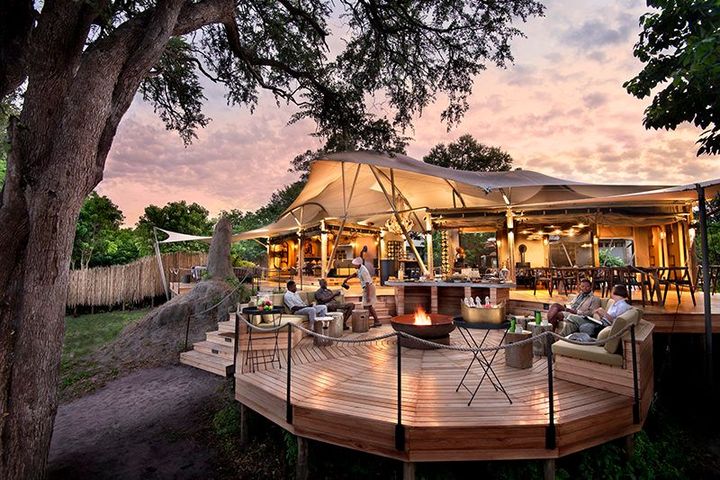
Luxury safari lodges are accommodations located within or near wildlife regions designed to provide travelers with deeper interaction with nature while maintaining a high standard of comfort. They emerged from the broader growth of experiential travel, where individuals seek meaningful experiences connected to landscapes, ecosystems, and cultural environments. These lodges combine natural surroundings with structured learning opportunities, guided wildlife observation, and sustainable tourism practices that support conservation areas.
The purpose of these lodges is not only to host guests but also to facilitate environmental education, responsible travel insights, and a deeper understanding of wildlife ecosystems. Many lodges are positioned in protected reserves, helping channel awareness toward habitat preservation and scientific knowledge about biodiversity.
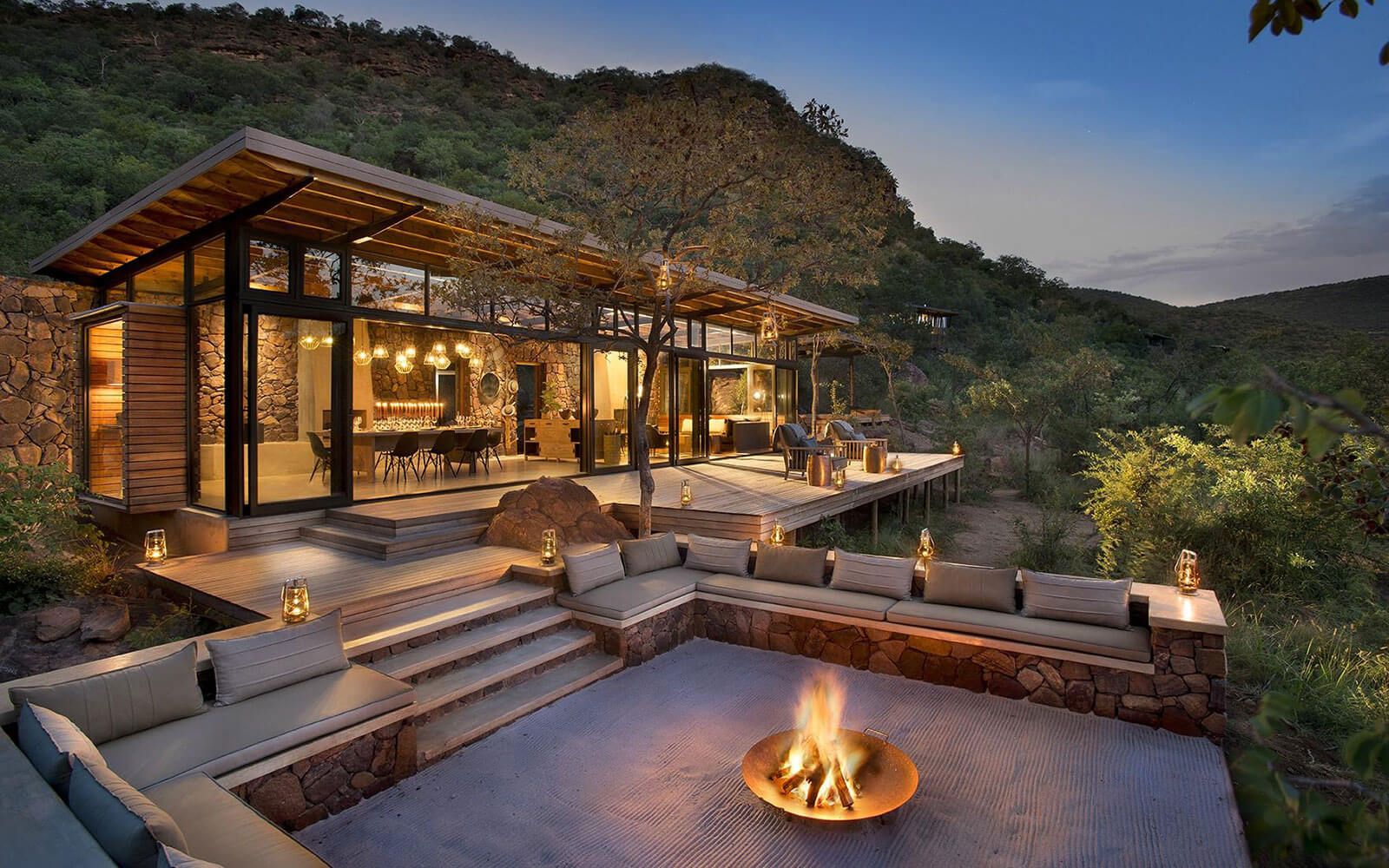
Luxury safari lodges exist today because of increased interest in ecological experiences, wildlife conservation information, and immersive travel opportunities. They also align with global trends that emphasize connecting tourism with environmental responsibility and cultural awareness. Instead of simply offering accommodation, these environments operate as platforms for learning about ecosystems, migratory species, local communities, and sustainable land-use practices.
Importance: Why Luxury Safari Lodges Matter and Who They Affect
Luxury safari lodges play an important role in shaping public understanding of conservation issues. They influence a wide group of people, including travelers, environmental researchers, wildlife programs, and local communities. Their presence brings attention to endangered species, critical habitats, and the importance of responsible tourism.
The relevance of these lodges has increased due to:
-
Growing interest in sustainable tourism practices
-
Expanded focus on wildlife conservation education
-
Demand for eco-friendly lodging trends
-
Increased research on climate-affected ecosystems
-
Rising public curiosity about biodiversity and habitat protection
These lodges help solve several challenges:
-
Limited public understanding of wildlife behaviour and ecosystem balance
-
Lack of accessible educational spaces in natural habitats
-
Need for structured, safe environments for observing wildlife
-
Support for conservation initiatives that rely on tourism-driven awareness
-
Encouraging low-impact travel that reduces environmental pressure
By integrating expert guides, conservation experts, and scientific programs, luxury safari lodges foster learning environments where visitors gain accurate information about animal migration, vegetation cycles, and the importance of preserving natural resources.
Recent Updates: Trends, Changes, and Notable Developments
Luxury safari lodges have experienced several noteworthy updates in the past year, reflecting broader shifts in travel planning research and sustainable tourism.
Key developments include:
• Increased use of renewable energy systems
More lodges have implemented solar power and eco-friendly water management solutions, reinforcing environmental goals.
• Expansion of wildlife monitoring technologies
Remote cameras, tracking collars, and AI-supported observation tools have improved ecological research and visitor education. These updates were widely highlighted in conservation publications earlier this year.
• Enhanced focus on local community collaboration
Many lodges have introduced cultural learning programs and strengthened partnerships that support local heritage and knowledge-sharing.
• Growth of destination analysis tools for travelers
Interactive maps, biodiversity dashboards, and environmental impact indicators became more widely used this year, helping travelers understand ecological conditions before choosing destinations.
• Rising interest in low-impact design
Lodges updated their architecture to reduce land disturbance and increase harmony with surrounding habitats.
These updates show a shift toward integrating technology, conservation science, and visitor education rather than expanding amenities.
Laws or Policies Affecting Luxury Safari Lodges
Luxury safari lodges are influenced by environmental rules, wildlife protection guidelines, and tourism regulations in their operating regions. These policies typically address:
-
Wildlife observation guidelines to ensure safe distances
-
Land-use regulations governing protected areas
-
Environmental impact standards for construction
-
Waste management and water conservation requirements
-
Cultural heritage rules where indigenous communities are present
These regulations aim to maintain ecological integrity and preserve sensitive environments. Lodges must follow conservation frameworks that define how natural habitats are accessed, how wildlife interactions are supervised, and how ecosystems are protected from human disturbance.
Policies also influence operational practices such as:
-
Limiting visitor numbers
-
Monitoring vehicle routes
-
Maintaining wildlife corridors
-
Using approved materials for structural development
-
Ensuring compliance with sustainability reporting
Because these regulations focus on minimizing harm and supporting biodiversity, they play a key role in shaping how luxury safari lodges are designed, managed, and evaluated.
Tools and Resources to Learn More About Luxury Safari Lodges
A variety of tools support learning about safari environments, ecosystem behavior, and responsible travel insights. These help travelers, students, and researchers access scientific, cultural, and ecological information.
Digital Tools and Apps
-
Wildlife Identification Apps – Provide species information, photos, and habitat data.
-
Migration Tracking Maps – Show seasonal animal movement patterns.
-
Eco-Impact Calculators – Help users understand environmental footprints linked to travel planning.
-
Topography & Habitat Mapping Apps – Useful for understanding landscapes and vegetation zones.
-
Astronomy Apps – Helpful for night sky observation in remote safari regions.
Websites and Online Databases
-
Conservation Research Portals – Offer scientific reports, species databases, and ecological insights.
-
Protected Area Information Systems – Provide details about national parks, reserves, and conservation zones.
-
Sustainable Tourism Platforms – Share guidelines on ethical wildlife observation and eco-friendly lodging trends.
-
Cultural Heritage Databases – Give context about communities living near safari regions.
Educational Resources
-
Ecosystem Learning Guides
-
Wildlife Behavior Fact Sheets
-
Biodiversity Monitoring Templates
-
Field Observation Journals
-
Environmental Impact Study Examples
These resources enable a deeper understanding of how luxury safari lodges operate within ecological and cultural landscapes.
Table: Key Features of Luxury Safari Lodges and Their Educational Value
| Feature | Description | Educational Benefit |
|---|---|---|
| Wildlife Guides | Experts trained in animal behavior | Helps visitors learn accurate ecological information |
| Eco-friendly Design | Low-impact structures | Demonstrates sustainable building principles |
| Observation Decks | Elevated viewing areas | Encourages safe and respectful wildlife viewing |
| Cultural Programs | Local knowledge sharing | Supports awareness of community heritage |
| Conservation Projects | Habitat restoration activities | Introduces real-world environmental practices |
Table: Common Sustainability Practices Found in Safari Lodges
| Sustainability Area | Practice | Purpose |
|---|---|---|
| Energy | Solar-powered systems | Lower resource use |
| Water | Rainwater harvesting | Reduce strain on natural sources |
| Waste | Recycling and composting | Limit environmental disturbance |
| Wildlife | Guided monitoring | Protect natural behavior |
| Land | Controlled land access | Preserve fragile ecosystems |
FAQs
What makes a lodge different from regular accommodation?
A safari lodge is positioned in or near a wildlife environment and is designed to integrate natural surroundings into the experience. It emphasizes ecological learning, guided observation, and responsible tourism rather than standard hotel-style amenities.
Are luxury safari lodges focused on conservation?
Many lodges incorporate conservation programs that support habitat preservation and wildlife monitoring. These programs contribute to broader ecosystem stewardship and public education on sustainable tourism practices.
Can visitors observe wildlife safely?
Yes. Lodges follow strict wildlife observation guidelines that maintain safe distances and avoid disturbing animal behavior. Trained guides provide instructions and ensure that interactions remain respectful and secure.
Do luxury safari lodges use eco-friendly materials?
A growing number of lodges use locally sourced materials, renewable energy solutions, and low-impact architectural designs. These methods reduce ecological strain and align with sustainable design principles.
How do travelers learn more before visiting?
Individuals can explore conservation websites, wildlife databases, environmental learning guides, and habitat mapping tools. These resources offer detailed information about species, ecosystems, and travel planning research.
Conclusion
Luxury safari lodges provide an educational gateway to wildlife ecosystems, sustainable tourism insights, and cultural awareness. Their value extends beyond the lodging itself, offering opportunities to understand biodiversity, observe natural habitats responsibly, and learn about conservation practices. Recent trends show a shift toward eco-innovation, community collaboration, and advanced wildlife monitoring technologies. Through guidelines, policies, and resource tools, these lodges continue to evolve as platforms that help people explore nature while supporting long-term environmental well-being.