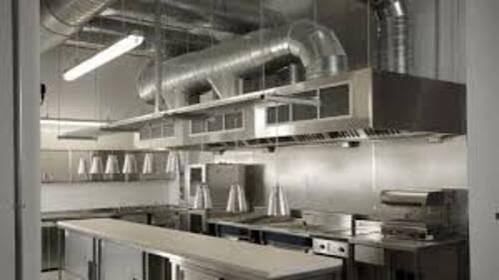
Kitchen Ventilation System: A Complete Guide to Airflow and Indoor Air Quality
Kitchen ventilation systems play an important role in maintaining airflow, controlling heat, and improving indoor air quality.
They remove smoke, cooking fumes, grease particles, odors, and excess heat generated during food preparation. These systems are used in homes, restaurants, hotels, commercial kitchens, and large food-processing facilities.
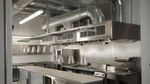
As cooking equipment and kitchen operations have developed, ventilation technology has also evolved. Traditional exhaust fans have expanded into more advanced systems that combine hoods, ductwork, filtration units, exhaust fans, and air supply equipment. Commercial kitchen ventilation equipment is designed to manage the greater heat and airborne contaminants produced by busy cooking environments.
Industrial kitchen exhaust systems are generally designed for large-scale operations with multiple cooking stations and continuous equipment use. In comparison, residential systems usually handle smaller cooking areas and lower ventilation demands.
Main Components of Kitchen Ventilation Systems
A kitchen ventilation system contains several connected components that work together to move and treat air.
- Exhaust hoods: Capture smoke, grease, steam, and heat near cooking appliances.
- Commercial kitchen exhaust fans: Move contaminated air through ductwork and discharge it outside.
- Air filtration units: Capture grease particles and, in some designs, other airborne contaminants.
- Ductwork: Provides a pathway for extracted air to move through the building.
- Make-up air equipment: Introduces replacement air to balance the air removed by exhaust systems.
- Control systems: Regulate fan operation and coordinate ventilation with cooking equipment.
The arrangement depends on kitchen size, appliance types, building layout, and applicable ventilation requirements.
Importance
Kitchen ventilation is important because cooking produces airborne particles, moisture, odors, and heat that can affect indoor conditions. Without suitable ventilation, these contaminants may accumulate and make kitchen environments uncomfortable or difficult to manage.
Restaurants, hotels, institutional kitchens, and food-production facilities rely on ventilation to support daily operations. A properly designed restaurant ventilation system can help maintain airflow while reducing the movement of cooking contaminants into dining areas and nearby rooms.
Indoor Air Quality and Workplace Conditions
Cooking activities can release grease aerosols, fine particles, combustion products, and water vapor. Commercial kitchen exhaust hood systems capture many of these emissions close to their source, reducing their spread throughout the kitchen.
Ventilation also helps manage high temperatures around cooking equipment. However, exhaust alone may not maintain comfortable conditions if replacement air is insufficient or if the system is poorly balanced.
Fire Safety and Equipment Protection
Grease accumulation inside hoods and exhaust ducts can create a fire hazard. Commercial kitchen air filtration systems, grease filters, accessible ductwork, and regular cleaning procedures help manage grease deposits.
Ventilation design also needs to account for the type of cooking equipment being used. Appliances that produce substantial grease-laden vapors may have different hood and fire-protection requirements from equipment that generates mostly steam or heat.
Airflow Balance and Energy Use
When exhaust fans remove large volumes of air, replacement air must enter the kitchen. Commercial kitchen make-up air systems introduce outdoor or conditioned air to help maintain pressure balance and support effective exhaust operation.
Poorly balanced airflow can cause drafts, unwanted odors, pressure problems, or difficulty opening doors. Energy-efficient commercial kitchen ventilation considers fan operation, replacement air, temperature conditions, and the actual demands of kitchen activity.
Recent Updates
From 2024 through 2026, kitchen ventilation design has continued to focus on energy management, improved monitoring, indoor air quality, and coordination with building HVAC systems. These developments reflect wider efforts to manage ventilation according to actual cooking activity rather than relying entirely on constant operation.
Demand-Controlled Ventilation
Demand-controlled kitchen ventilation uses sensors or control systems to adjust exhaust fan operation according to cooking conditions. Sensors may monitor temperature, smoke, or other indicators to help determine ventilation demand.
This approach can reduce unnecessary fan operation during periods of lower activity. Its performance depends on suitable sensor placement, system configuration, and coordination with replacement air equipment.
Smart Controls and System Integration
Commercial kitchen ventilation system integration increasingly connects exhaust equipment with building management and kitchen control systems. These connections can help operators monitor fan status, identify operating issues, and coordinate ventilation with other building equipment.
Industrial kitchen air handling systems may also use digital monitoring to observe temperature, airflow, and equipment performance. However, connected controls require appropriate maintenance and cybersecurity measures where network access is involved.
Updated Design Considerations
Custom commercial kitchen ventilation design increasingly accounts for different cooking appliances, kitchen layouts, building energy requirements, and local regulations. High-capacity kitchen exhaust systems may require careful planning of duct routes, replacement air, noise levels, and fire-safety provisions.
The overall trend is toward ventilation systems that balance effective contaminant capture with building comfort and energy management.
| Ventilation Feature | Main Function | Common Application |
|---|---|---|
| Exhaust hood | Captures cooking emissions | Restaurants and commercial kitchens |
| Exhaust fan | Moves contaminated air outdoors | Commercial and industrial kitchens |
| Grease filtration | Collects airborne grease | Kitchens with grease-producing appliances |
| Make-up air | Replaces extracted air | High-exhaust environments |
| Demand controls | Adjusts ventilation according to activity | Modern commercial kitchens |
| HVAC integration | Coordinates air conditioning and ventilation | Large kitchens and food facilities |
Tools and Resources
Planning and maintaining kitchen ventilation involves several technical resources. Their usefulness depends on the size of the kitchen, the cooking equipment, and the applicable building and fire-safety requirements.
Ventilation Design and Airflow Tools
Airflow calculators can help estimate ventilation requirements using information such as hood dimensions, appliance types, and exhaust configurations. These calculations are part of a broader design process and do not replace applicable engineering requirements.
Restaurant kitchen hood installation planning may also use layout drawings, duct-routing diagrams, and equipment specifications. These documents help explain how exhaust equipment and replacement air components fit within a building.
Standards and Technical References
Technical standards and building regulations provide guidance for ventilation design, installation, fire protection, and maintenance. Relevant resources include:
- ASHRAE publications covering ventilation, indoor air quality, and HVAC design.
- NFPA 96, which addresses ventilation control and fire protection for commercial cooking operations.
- Local building and fire codes that establish requirements for kitchen exhaust systems.
- Manufacturer equipment manuals containing installation, operation, and maintenance information.
Restaurant ventilation system installation must account for the requirements that apply to the specific location and building.
Maintenance and Monitoring Resources
Inspection checklists can help record filter cleaning, fan operation, duct condition, and maintenance activities. Monitoring tools may also provide information about airflow, fan performance, temperature, and operating status.
Regular inspections are important because grease buildup, damaged components, and airflow restrictions can affect system performance.
FAQs
What are kitchen ventilation systems used for?
Kitchen ventilation systems remove cooking smoke, grease particles, odors, moisture, and excess heat. They help maintain indoor air quality and support safer, more comfortable cooking environments.
How do commercial kitchen exhaust fans work?
Commercial kitchen exhaust fans draw contaminated air through hoods and ductwork before discharging it outdoors. Their operation is coordinated with hood design, filtration, and replacement air arrangements.
What is the purpose of commercial kitchen make-up air systems?
Commercial kitchen make-up air systems introduce replacement air to balance the air removed by exhaust equipment. They help manage indoor pressure and support effective ventilation.
How does commercial kitchen ventilation system integration work?
Commercial kitchen ventilation system integration connects exhaust fans, sensors, control panels, and sometimes building HVAC equipment. This coordination can support monitoring and adjustments based on operating conditions.
What factors affect industrial kitchen exhaust ventilation design?
Industrial kitchen exhaust ventilation design depends on cooking equipment, hood dimensions, airflow requirements, duct layout, fire-safety provisions, building conditions, and local regulations.
Conclusion
Kitchen ventilation systems help control cooking emissions, excess heat, moisture, and indoor air quality in residential, commercial, and industrial environments. Their performance depends on the coordination of exhaust hoods, fans, filtration, ductwork, and replacement air. Recent developments emphasize demand-controlled operation, digital monitoring, energy management, and integration with building systems. Understanding these components and their functions provides a useful foundation for learning how modern kitchen ventilation works.