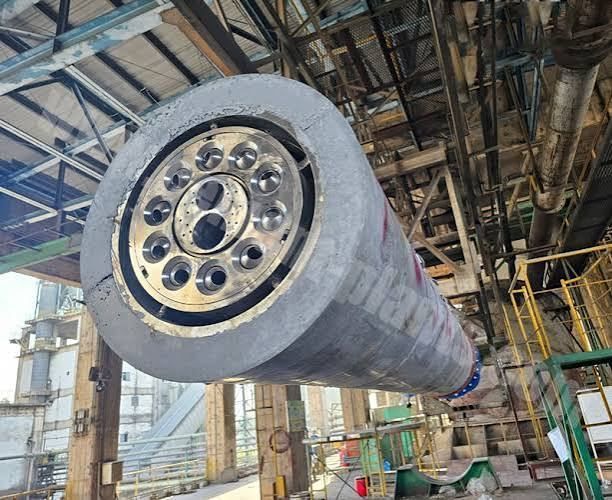
Kiln Burner Systems: Types, Components, and Uses
Kiln burner systems are combustion assemblies used to generate and control the high temperatures required in industrial kilns.
They combine fuel, combustion air, ignition equipment, and control components to create a stable flame inside the kiln.
These systems are used in industries such as cement, lime, minerals, ceramics, metals, and other thermal processing operations. Burner configuration depends on the kiln design, fuel type, required temperature, material characteristics, and combustion conditions.
Understanding the types, components, and operating principles of kiln burner systems helps explain how heat is generated and controlled during high-temperature processing.
What Are Kiln Burner Systems?
A kiln burner system introduces fuel and combustion air into a kiln and creates a controlled flame. The flame transfers thermal energy to the material being processed either directly or indirectly, depending on the kiln configuration.
A complete system can include a burner nozzle, fuel supply, air supply, ignition system, flame monitoring equipment, control valves, and automation controls.
The system must maintain appropriate fuel-to-air conditions to support stable combustion while controlling temperature and flame characteristics.
How Kiln Burner Systems Work
The operation of a kiln burner generally involves several coordinated stages.
1. Fuel Supply
Fuel is delivered to the burner through a controlled supply system. Depending on the installation, the fuel may be natural gas, fuel oil, pulverized solid fuel, or an approved alternative fuel.
Fuel pressure and flow are regulated before the fuel reaches the burner.
2. Combustion Air Supply
Air is supplied to the burner to provide oxygen for combustion. Primary and secondary air arrangements can be used depending on the burner design.
Airflow influences flame shape, temperature distribution, mixing, and combustion stability.
3. Fuel and Air Mixing
The burner introduces fuel and air into the combustion zone in a controlled manner. The mixing pattern affects flame length, intensity, and heat distribution.
4. Ignition
An ignition system initiates combustion during startup. Once a stable flame has been established, the main burner continues operating under the configured control conditions.
5. Flame Formation
The burner creates a controlled flame inside the kiln. Burner geometry, fuel properties, airflow, and kiln draft all influence flame characteristics.
6. Heat Transfer
The flame transfers heat to the material and surrounding kiln environment. Depending on the process, heat transfer can occur through radiation, convection, and conduction.
7. Monitoring and Control
Sensors and control systems monitor parameters such as temperature, fuel flow, air flow, pressure, and flame status. The system can adjust operating conditions according to process requirements.
Main Types of Kiln Burner Systems
Gas-Fired Kiln Burners
Gas-fired burners use gaseous fuels such as natural gas. Fuel and combustion air are mixed and controlled to generate the required flame.
These burners can provide relatively precise fuel-flow control and are used in various industrial thermal processes.
Oil-Fired Kiln Burners
Oil-fired systems use liquid fuel that is atomized before combustion. Atomization breaks the liquid into smaller droplets, improving contact between fuel and combustion air.
Fuel viscosity, temperature, pressure, and atomization conditions can affect burner operation.
Solid-Fuel Kiln Burners
Solid fuels such as pulverized coal or other prepared solid fuels can be introduced through specialized burner systems.
The fuel must be prepared to an appropriate particle size and delivered under controlled conditions.
Multi-Fuel Burner Systems
Multi-fuel systems are designed to operate with more than one fuel type. Depending on the burner design, fuel combinations can be adjusted according to process requirements and fuel availability.
Low-NOx Burner Systems
Low-NOx burners use combustion design features intended to reduce the formation of nitrogen oxides. Techniques can include staged combustion, controlled air distribution, and modified flame characteristics.
Comparison of Kiln Burner Types
| Burner Type | Primary Fuel | Main Characteristic | Typical Application |
|---|---|---|---|
| Gas-fired | Natural gas or other gas | Controlled gaseous fuel flow | Cement, ceramics, minerals |
| Oil-fired | Fuel oil | Atomized liquid fuel | Industrial thermal processing |
| Solid-fuel | Pulverized solid fuel | Prepared solid fuel combustion | Large thermal processes |
| Multi-fuel | Multiple fuel types | Flexible fuel configuration | Variable fuel applications |
| Low-NOx | Various fuels | Reduced NOx formation approach | Emission-conscious processes |
Main Components of Kiln Burner Systems
Burner Body
The burner body houses or supports the fuel and air passages. Its internal geometry helps establish the intended combustion pattern.
Fuel Nozzle
The fuel nozzle delivers fuel into the combustion zone. Its design varies according to the fuel being used.
Air Registers
Air registers control the direction and distribution of combustion air around the fuel stream.
Ignition System
The ignition assembly initiates the flame during startup. It may include an ignition transformer, electrode, pilot arrangement, or other ignition components.
Flame Scanner
A flame scanner detects the presence of a flame. If the flame is lost, the control system can initiate a safety response according to the burner management design.
Fuel Valves
Fuel valves regulate fuel flow and can isolate the burner during shutdown or abnormal operating conditions.
Control System
The control system coordinates fuel, air, ignition, flame monitoring, and safety interlocks.
Cooling Components
Some burner assemblies incorporate cooling arrangements to protect components exposed to high temperatures.
Factors Affecting Burner Performance
Fuel Characteristics
Fuel composition, heating value, moisture, pressure, viscosity, and particle size can influence combustion behavior.
Air-to-Fuel Ratio
The quantity of combustion air relative to fuel affects flame stability, combustion completeness, temperature, and emissions.
Kiln Temperature
The operating temperature influences ignition, flame behavior, heat transfer, and material processing.
Kiln Draft
Pressure conditions inside the kiln affect the movement of combustion gases and can influence flame shape and stability.
Burner Position
Burner position and alignment influence where heat is released inside the kiln.
Flame Shape
Flame length, width, temperature distribution, and stability need to correspond with the kiln's geometry and process requirements.
Applications of Kiln Burner Systems
Cement Production
Kiln burners are used in cement manufacturing to generate the high temperatures required for clinker production.
Lime Processing
Rotary and other industrial kilns use burners to heat limestone and support the chemical reactions involved in lime production.
Mineral Processing
Kiln burner systems provide controlled thermal energy for drying, calcination, roasting, and other mineral-processing operations.
Ceramic Manufacturing
Industrial kilns use controlled burners or combustion systems for firing ceramic products and materials.
Metal Processing
Thermal processing equipment can use burner systems for heating, roasting, calcination, and related high-temperature processes.
Waste and Alternative Fuel Processing
Some industrial kilns are designed to use approved alternative fuels. Burner systems must be configured to accommodate the characteristics of the selected fuel and the requirements of the process.
Automation and Control
Modern kiln burner systems can be integrated with programmable controllers, distributed control systems, temperature sensors, flow meters, pressure sensors, and flame monitoring equipment.
Automated controls can coordinate fuel and air flow while maintaining configured temperature and combustion conditions.
Burner management systems can also use interlocks to control startup and shutdown sequences. These controls help prevent fuel admission when required operating conditions have not been established.
Maintenance of Kiln Burner Systems
Regular inspection is important because burner components operate under high temperatures and demanding combustion conditions.
Fuel nozzles, air passages, burner tips, ignition components, flame scanners, valves, seals, and cooling systems should be inspected according to equipment requirements.
Deposits and blockages can affect fuel or air distribution. Burner alignment should also be checked because changes in position can alter flame behavior and heat distribution.
Instrumentation should be tested periodically to verify that temperature, pressure, flow, and flame monitoring devices provide appropriate signals.
Safety Considerations
Kiln burner systems involve fuel, high temperatures, combustion gases, and pressurized air. Proper burner management and fuel isolation procedures are essential.
Safety systems commonly incorporate flame detection, fuel shutoff valves, pressure monitoring, ignition controls, and interlocks. Startup and shutdown sequences should follow the equipment manufacturer's procedures and applicable industrial requirements.
Personnel should also use appropriate protective equipment and follow site-specific procedures when working near hot surfaces, fuel systems, combustion equipment, or confined kiln areas.
Frequently Asked Questions
What is the purpose of a kiln burner system?
A kiln burner system generates and controls combustion heat inside an industrial kiln for processes such as calcination, firing, roasting, drying, and clinker production.
What fuels can kiln burners use?
Depending on the burner design, fuels can include natural gas, fuel oil, pulverized solid fuels, and approved alternative fuels.
What are the main components of a kiln burner?
Common components include the burner body, fuel nozzle, air registers, ignition system, flame scanner, fuel valves, control system, and cooling components.
How does a kiln burner control temperature?
Temperature can be controlled by adjusting fuel flow, combustion air, burner operation, and other process conditions through automated or manual control systems.
Why is flame monitoring important?
Flame monitoring verifies that combustion is established and maintained. If the flame is lost, the burner management system can initiate a fuel shutoff sequence according to its safety design.
Conclusion
Kiln burner systems provide controlled combustion for industrial processes that require high temperatures. Their operation depends on coordinated fuel delivery, combustion air, ignition, flame formation, heat transfer, and process monitoring.
Gas-fired, oil-fired, solid-fuel, multi-fuel, and low-NOx configurations address different process requirements. Burner selection and operation depend on fuel characteristics, kiln design, temperature requirements, airflow, draft, and process conditions.
Regular inspection, instrumentation checks, burner alignment, and appropriate safety procedures help maintain controlled combustion and reliable kiln operation.