Industrial Water Filters: Complete Guide to Filtration Systems, Types, Benefits, and Applications
Industrial water filters play an essential role in modern manufacturing, processing, energy production, and water treatment facilities. Many industries depend on clean and consistent water quality to protect equipment, maintain product quality, meet environmental standards, and improve operational efficiency. Whether water comes from groundwater, rivers, municipal supplies, or recycled sources, it often contains suspended particles, sediments, minerals, chemicals, or biological contaminants that need to be removed before industrial use.
As industries continue to focus on sustainability and efficient resource management, water filtration systems have become more advanced and adaptable. They are now designed to handle different water qualities, production capacities, and operational requirements while reducing waste and supporting water reuse initiatives.
This guide explains how industrial water filters work, the major filtration technologies, their applications across industries, maintenance practices, and recent developments shaping industrial water filtration in 2026.
Understanding Industrial Water Filters
Industrial water filters are specialized systems that remove unwanted contaminants from water before it is used in industrial operations or discharged after processing. Unlike household filtration systems, industrial filters are designed for large water volumes, continuous operation, and demanding environments.
Water quality requirements vary depending on the industry. Food processing facilities require highly purified water for production, while manufacturing plants may need filtered water to protect machinery from scaling and corrosion. Pharmaceutical and electronics industries often require extremely high levels of water purity.
Industrial filtration systems are commonly integrated into larger water treatment processes that include sediment removal, chemical treatment, biological treatment, softening, or reverse osmosis.
The primary goal of industrial filtration is to improve water quality while protecting equipment and ensuring reliable industrial processes.
Why Industrial Water Filtration Matters Today
Clean water is directly connected to industrial productivity, environmental compliance, and equipment longevity. Even small amounts of suspended solids or dissolved contaminants can reduce efficiency, damage equipment, or affect production quality.
Industrial filtration helps reduce maintenance needs by preventing sediments from accumulating inside pipelines, pumps, heat exchangers, and boilers. Cleaner water also improves cooling efficiency, reduces corrosion, and minimizes operational downtime.
Another important reason industrial filtration has become increasingly important is water conservation. Many industries now recycle and reuse process water after filtration, reducing freshwater consumption and wastewater discharge.
Growing environmental regulations have also encouraged industries to improve wastewater treatment and water reuse practices, making filtration systems an important part of sustainable operations.
How Industrial Water Filters Work
Industrial water filters remove contaminants through physical, chemical, or membrane-based filtration methods. Water passes through one or multiple filtration stages depending on the required water quality.
The first stage often removes large particles such as sand, dirt, rust, and suspended solids. Additional stages target smaller contaminants including organic matter, oils, microorganisms, dissolved minerals, or chemicals.
Some filtration systems use pressure to force water through specialized membranes, while others rely on gravity, activated media, or mechanical separation. Multi-stage filtration is common because different contaminants require different treatment methods.
The filtration process is designed to maintain consistent water flow while reducing impurities without interrupting industrial operations.
Common Types of Industrial Water Filters
Different industries require different filtration technologies based on water quality and production needs.
Mechanical Water Filters
Mechanical filters remove suspended solids such as sand, rust, dirt, and debris using filter cartridges, mesh screens, or fabric media. They are often used as the first stage of water treatment to protect downstream equipment.
These filters are widely installed in manufacturing plants, cooling systems, irrigation systems, and municipal water treatment facilities.
Sand Media Filters
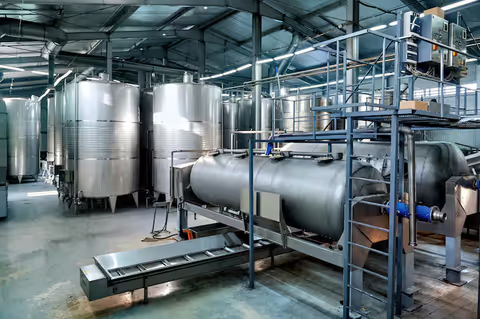
Sand media filters use layers of specially selected sand or gravel to capture suspended particles as water flows through the filter bed. They are commonly used for high-volume water treatment applications.
These filters are suitable for cooling towers, industrial wastewater pretreatment, and groundwater treatment.
Activated Carbon Filters
Activated carbon filters remove chlorine, odors, organic compounds, volatile chemicals, and certain dissolved contaminants through adsorption. They improve water quality without changing mineral composition significantly.
Industries that produce beverages, pharmaceuticals, cosmetics, and processed foods often use activated carbon filtration.
Reverse Osmosis Filters
Reverse osmosis systems force water through semi-permeable membranes that remove dissolved salts, minerals, bacteria, viruses, and many chemical contaminants.
Reverse osmosis is commonly used in industries requiring high-purity water, including pharmaceutical manufacturing, electronics production, laboratories, and power plants.
Ultrafiltration Systems
Ultrafiltration membranes remove bacteria, viruses, suspended solids, proteins, and other microscopic particles while allowing water and dissolved minerals to pass through.
These systems are frequently used for wastewater recycling, food processing, dairy production, and industrial process water.
Bag and Cartridge Filters
Bag and cartridge filters capture fine particles using replaceable filter media. They are flexible and available in different micron ratings for various industrial applications.
These filters are commonly installed before reverse osmosis systems, pumps, boilers, and cooling equipment.
Major Filtration Technologies Used in Industry
Industrial water treatment often combines multiple technologies to achieve desired water quality.
Filtration Technology | Primary Purpose |
| Mechanical filtration | Removes sediment, dirt, rust, and suspended particles. |
| Media filtration | Captures larger suspended solids using sand or multimedia layers. |
| Activated carbon filtration | Reduces chlorine, odors, and organic contaminants. |
| Ultrafiltration | Removes microorganisms and microscopic suspended particles. |
| Reverse osmosis | Removes dissolved salts, minerals, bacteria, and impurities. |
| Ion exchange filtration | Reduces hardness and specific dissolved ions. |
Each technology addresses different contaminants and is often combined within comprehensive water treatment systems.
Applications Across Different Industries
Industrial water filters serve a wide variety of sectors because water quality requirements differ significantly between industries.
Manufacturing industries use filtered water for equipment cooling, rinsing, cleaning, and production processes. Clean water reduces wear on machinery and improves production consistency.
Food and beverage facilities require filtration to remove contaminants that could affect product quality, taste, or hygiene standards.
Power plants rely on highly purified water for boilers, steam generation, and cooling systems, where impurities can reduce efficiency or damage equipment.
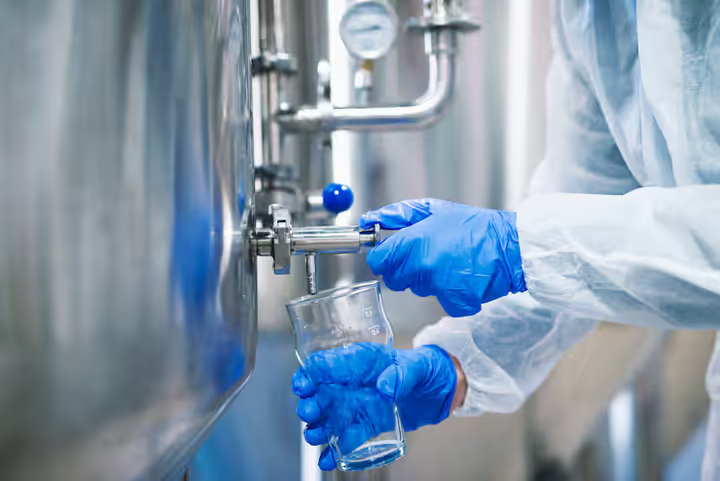
Pharmaceutical manufacturers require extremely clean water for production, cleaning processes, and laboratory operations.
Chemical industries use filtration systems to remove suspended solids and contaminants before processing or wastewater treatment.
Mining operations filter water for mineral processing, dust suppression, and wastewater recycling.
Textile industries use filtration to improve dyeing quality, reduce impurities, and recycle water during production.
Municipal and industrial wastewater treatment plants use multiple filtration stages before treated water is discharged or reused.
Benefits of Industrial Water Filters
Industrial water filtration delivers operational, environmental, and maintenance benefits throughout industrial facilities.
Cleaner water helps extend the lifespan of pumps, valves, heat exchangers, boilers, and cooling systems. Reduced sediment buildup lowers maintenance frequency and improves equipment reliability.
Filtration also improves production consistency because water quality remains stable throughout manufacturing processes.
Water recycling becomes more practical when contaminants are removed before reuse, reducing overall freshwater consumption.
Industrial filtration systems also help reduce scaling and corrosion, improving energy efficiency in heating and cooling equipment.
Another important benefit is improved compliance with environmental discharge requirements by reducing suspended solids and certain contaminants before wastewater treatment.
Choosing the Right Industrial Water Filter
Selecting an industrial filtration system depends on several operational factors rather than using one universal solution.
Water source quality is the starting point because groundwater, surface water, municipal water, and recycled water contain different contaminants.
Industries also evaluate daily water consumption, flow rate, pressure requirements, contaminant types, and desired water quality.
Temperature, chemical compatibility, maintenance requirements, and available installation space also influence system selection.
Many facilities perform water quality testing before designing a filtration process so the system matches operational requirements accurately.
Maintenance and Performance Best Practices
Regular maintenance is essential for consistent filtration performance and equipment protection.
Filters gradually accumulate contaminants, increasing pressure drop and reducing flow efficiency. Monitoring pressure differences across filters helps identify when cleaning or replacement is needed.
Backwashing is commonly used in sand media filters to remove accumulated sediments and restore filtration capacity.
Cartridge and bag filters require periodic replacement depending on water quality and operating hours.
Reverse osmosis membranes need scheduled cleaning to remove scaling, fouling, or biological buildup that can reduce efficiency.
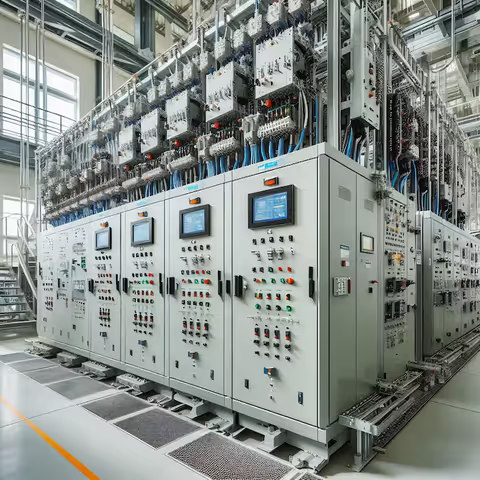
Routine inspections also include checking seals, valves, pumps, pressure gauges, and automated control systems to ensure reliable operation.
Preventive maintenance helps reduce unexpected downtime and extends the service life of filtration equipment.
Water Quality Parameters That Influence Filtration
Industrial filtration systems are designed around measurable water quality characteristics.
Turbidity measures suspended particles that make water cloudy. High turbidity usually requires sediment filtration before advanced treatment.
Total dissolved solids indicate the concentration of dissolved minerals and salts that may require reverse osmosis or ion exchange treatment.
Water hardness measures calcium and magnesium levels that contribute to scaling in boilers and cooling systems.
pH levels affect corrosion potential and chemical treatment effectiveness.
Biological contaminants, including bacteria and algae, may require membrane filtration or additional disinfection stages depending on industrial requirements.
Understanding these parameters helps industries select appropriate filtration technologies and monitor treatment effectiveness.
Recent Developments in Industrial Water Filtration During 2025–2026
Industrial water filtration has continued evolving with greater emphasis on automation, sustainability, and water reuse.
Smart filtration systems now include sensors that continuously monitor water pressure, flow rate, turbidity, and filter condition. Predictive maintenance software can identify performance changes before equipment failures occur.
Membrane technology has improved with higher fouling resistance, longer operating life, and greater filtration efficiency for industrial reuse applications.
Water recycling projects have expanded across manufacturing sectors as industries seek to reduce freshwater consumption and wastewater generation.
Energy-efficient filtration equipment has also become a priority, with newer systems designed to reduce pumping energy while maintaining filtration performance.
Digital monitoring platforms now allow facility operators to track filtration performance remotely and optimize maintenance schedules using real-time operational data.
Sustainability and Water Reuse in Industrial Operations
Water sustainability has become an important objective for many industries worldwide.
Instead of treating water as a single-use resource, industries increasingly filter, treat, and recycle process water for cooling, washing, rinsing, and production support activities.
Closed-loop water systems reduce wastewater discharge while lowering dependence on freshwater sources.
Industrial filtration supports sustainability by removing contaminants that would otherwise limit water reuse opportunities.
Many facilities now combine filtration with biological treatment, membrane systems, and advanced purification technologies to recover water for repeated industrial use.
This approach helps improve resource efficiency while supporting long-term environmental management goals.
Future Outlook for Industrial Water Filters
Industrial water filtration is expected to become more intelligent, efficient, and adaptable as industries continue modernizing water management systems.
Automation, remote monitoring, artificial intelligence, and predictive maintenance are likely to improve filtration reliability and operational efficiency.
Advanced membrane materials may improve contaminant removal while reducing energy consumption and maintenance requirements.
Water reuse initiatives are also expected to expand across manufacturing, energy, food processing, mining, and municipal infrastructure as water conservation becomes increasingly important.
Future industrial filtration systems will likely integrate real-time monitoring, automated cleaning cycles, and data-driven performance optimization to support reliable industrial water treatment.
Conclusion
Industrial water filters are an essential part of efficient and sustainable industrial water management. They help remove contaminants that affect equipment performance, production quality, and environmental compliance while supporting reliable industrial operations. Different filtration technologies are designed to address different water quality challenges, from removing suspended particles to producing highly purified process water.
As industries continue focusing on water conservation, automation, and operational efficiency, industrial water filtration systems are becoming more advanced through smart monitoring, improved membrane technology, and expanded water reuse capabilities. Understanding how these systems work and selecting appropriate filtration methods helps industries improve water quality, protect infrastructure, and support long-term sustainable operations.