Industrial UPS Systems: An Overview of Power Backup Technology
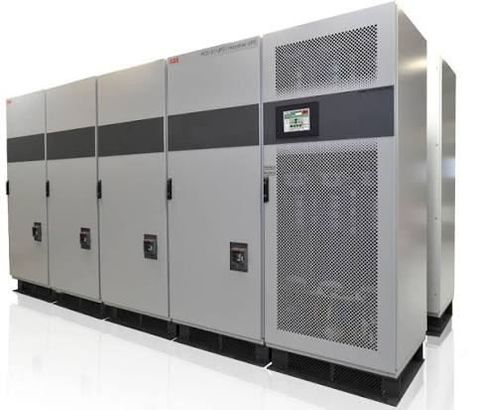
Industrial UPS systems are electrical power backup arrangements designed to maintain power to connected equipment when the normal electricity supply is interrupted or becomes unstable.
UPS stands for uninterruptible power supply. Unlike a standby generator, a UPS can provide power from stored energy with little or no interruption while the incoming supply is unavailable.
The development of UPS technology is closely connected with the growing use of computers, control equipment, communication networks, automated machinery, and other electrically sensitive systems. Early UPS designs were mainly associated with computing environments, while modern systems are used across manufacturing plants, data centers, healthcare facilities, telecommunications, commercial buildings, and other critical environments.
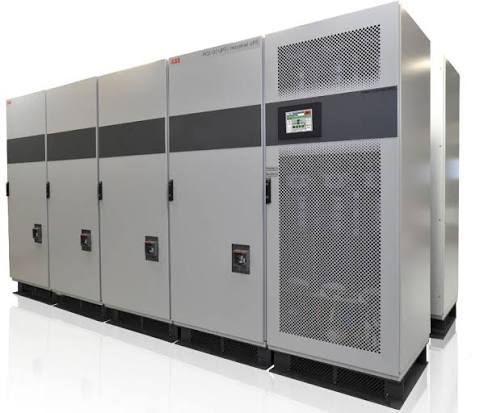
An industrial uninterruptible power supply normally contains power-conversion equipment, an energy storage system, control electronics, monitoring functions, and switching components. During normal operation, the UPS conditions incoming electricity and keeps its batteries or another energy storage arrangement ready. If the incoming supply fails or moves outside defined limits, the stored energy can support the connected load.
How Industrial UPS Equipment Works
Industrial UPS equipment generally operates through several stages. Incoming alternating current is converted and controlled, while a battery system or another storage technology remains available for backup operation. An inverter then converts stored direct-current energy into the alternating-current output required by connected equipment.
Online industrial UPS systems continuously process the electrical supply through their power-conversion stages. This configuration can help isolate connected equipment from certain variations in the incoming supply.
Other UPS arrangements may use different operating paths and transfer mechanisms. The appropriate configuration depends on the electrical load, required continuity, available space, battery technology, and operating environment.
Main Components
An industrial UPS power system commonly includes:
- Rectifier or converter equipment for managing incoming electricity.
- Inverter equipment for producing the required output.
- Industrial UPS battery systems for storing electrical energy.
- Bypass equipment that can provide an alternate electrical path under defined conditions.
- Control electronics for managing operating modes.
- Monitoring equipment for tracking electrical and battery conditions.
These components work together as a coordinated power protection system rather than as isolated devices.
Importance
Reliable electrical power is important for processes where an unexpected interruption can stop machinery, interrupt communications, corrupt information, or create an unsafe operating condition. Industrial backup power systems are therefore used where continuity of electrical supply has operational importance.
Manufacturing facilities may depend on programmable controllers, sensors, drives, robots, and control networks. A brief interruption can affect equipment operation even when the interruption is too short to be noticed by people. UPS systems can bridge the interval between a power disturbance and another available power source, or provide controlled shutdown time where appropriate.
Supporting Critical Operations
Three phase industrial UPS systems are common in environments with larger electrical loads. Three-phase power can distribute electrical energy across multiple phases and is widely used for industrial machinery and facility infrastructure.
Data center UPS systems support computing equipment, networking hardware, storage systems, and related electrical loads. In these environments, UPS equipment is generally part of a wider power architecture that can include generators, switchgear, distribution equipment, and monitoring systems.
Commercial UPS systems are also used in offices, communications facilities, and other buildings where computers and electronic equipment require protection from power interruptions or disturbances.
Power Quality and Equipment Protection
Industrial power protection systems are not limited to providing backup electricity. Depending on their design, UPS systems can also help regulate aspects of the electrical supply presented to connected loads.
Power disturbances can include voltage variations, interruptions, frequency changes, and other irregular conditions. The ability of a particular UPS to address these conditions depends on its topology, specifications, operating mode, and connected load.
Battery Capacity and Runtime
High capacity industrial UPS systems are designed for larger electrical loads or longer backup requirements. Battery capacity is one of the factors that determines how long a UPS can support connected equipment.
Runtime also depends on the electrical load, battery condition, temperature, discharge characteristics, and UPS configuration. A larger battery arrangement does not automatically mean the same runtime under every operating condition.
| UPS Element | Main Function | Typical Consideration |
|---|---|---|
| Rectifier | Manages incoming AC power | Input characteristics |
| Inverter | Converts DC energy to AC output | Load requirements |
| Battery system | Stores electrical energy | Capacity and runtime |
| Bypass path | Provides an alternate power route | System configuration |
| Monitoring system | Tracks operating conditions | Alarms and data |
| Control system | Coordinates UPS operation | Operating modes |
Recent Updates
From 2024 through 2026, industrial UPS technology has continued moving toward higher power density, improved monitoring, modular architectures, and integration with digital infrastructure. Three-phase systems and lithium-ion battery options are increasingly visible in data center and industrial power architectures.
Another area of development is the relationship between UPS equipment and rapidly changing digital loads. Recent industry discussion around AI data centers has highlighted how fast changes in electrical demand can increase the importance of power-quality management and battery-supported load management.
Battery Technology and Monitoring
Industrial UPS battery systems can use different chemistries, including traditional valve-regulated lead-acid batteries and lithium-ion technologies. Each technology has different characteristics involving energy density, temperature behavior, monitoring requirements, installation considerations, and operating life.
Industrial UPS monitoring systems have also become more digitally connected. Monitoring platforms can collect information about battery condition, electrical parameters, alarms, operating modes, and environmental conditions. The exact information available depends on the UPS design and monitoring architecture.
Efficiency and Power Architecture
High efficiency industrial UPS systems are increasingly discussed in relation to facility energy management. UPS efficiency can vary with load level and operating mode, so published efficiency figures need to be interpreted in relation to the conditions under which they were measured.
IEC 62040-3 specifies performance and testing requirements for UPS systems and includes efficiency requirements based on active output power and weighting factors. The standard remains an important reference for UPS performance evaluation.
Safety requirements are also addressed by IEC 62040-1, which applies to several categories of UPS incorporating energy storage and includes requirements related to electrical, thermal, mechanical, and fire-related hazards. IEC lists a new edition under development, with publication forecast for late 2026.
Digital and Automated UPS Systems
Automated industrial UPS systems can use internal controls and monitoring functions to manage operating states, alarms, battery charging, bypass conditions, and other activities. Advanced UPS power equipment may also communicate with facility management or industrial monitoring platforms.
The broader direction is toward connected power infrastructure in which UPS equipment, batteries, electrical distribution, and digital monitoring systems can exchange operational information.
Tools and Resources
Several resources can help readers understand or evaluate UPS configurations. Electrical load calculators can estimate the apparent power requirements of connected equipment, while battery runtime calculators can provide approximate runtime estimates based on load and battery specifications.
Planning and Documentation Tools
Useful resources include:
- Electrical load calculation worksheets for estimating UPS capacity requirements.
- Battery runtime calculators for comparing approximate backup durations.
- Single-line diagrams for understanding electrical connections.
- UPS specification sheets for reviewing input, output, capacity, and operating characteristics.
- Maintenance checklists for recording inspections and battery conditions.
- Monitoring dashboards for reviewing alarms and operating parameters.
Standards and Technical References
IEC publications provide technical references for UPS safety, performance, and electromagnetic compatibility. IEC 62040-2 addresses electromagnetic compatibility requirements for UPS used in residential, commercial, light industrial, and industrial environments.
Manufacturer documentation can also explain battery compatibility, environmental limits, installation requirements, operating modes, and communication interfaces for specific equipment. Such information is important because UPS characteristics differ between models and configurations.
FAQs
What are industrial UPS systems used for?
Industrial UPS systems provide backup electrical power and, depending on their design, power conditioning for equipment that needs continuity during interruptions or electrical disturbances. They are used in manufacturing, data centers, communications, infrastructure, and other environments with critical electrical loads.
How do industrial UPS power systems work?
An industrial UPS power system normally receives incoming electrical power, manages it through power-conversion equipment, and keeps an energy storage system ready. When the normal supply becomes unavailable or unsuitable, the UPS can use stored energy to support the connected load.
What are three phase industrial UPS systems?
Three phase industrial UPS systems are UPS arrangements designed for three-phase electrical loads. They are commonly associated with larger facilities, industrial machinery, data centers, and other installations where three-phase distribution is used.
What are industrial UPS battery systems?
Industrial UPS battery systems store electrical energy for use when the normal power supply is interrupted. Battery capacity, chemistry, temperature, load level, and UPS configuration all influence available runtime and operating characteristics.
What are industrial UPS monitoring systems?
Industrial UPS monitoring systems collect and display information such as electrical measurements, battery conditions, alarms, operating modes, and system status. Monitoring can help operators understand the condition of the power backup equipment and identify abnormal operating conditions.
Conclusion
Industrial UPS systems are designed to maintain electrical continuity for equipment and processes that may be affected by power interruptions or disturbances. Their main elements include power converters, inverters, batteries, control electronics, bypass arrangements, and monitoring functions. Recent developments have emphasized three-phase architectures, battery technology, digital monitoring, efficiency, and integration with increasingly dynamic electrical loads. Understanding these components and their roles provides a foundation for interpreting industrial power backup technology and its applications.