Industrial Sealing Rings Explained: Types, Materials, Uses, and Selection Guide
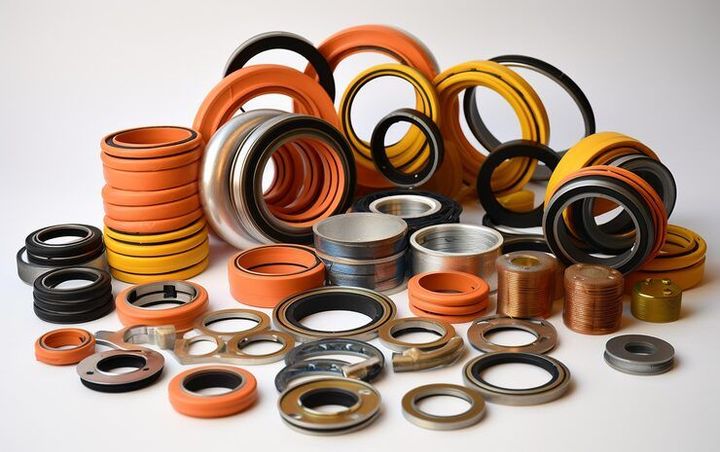
Industrial sealing rings are essential components used to prevent the leakage of liquids, gases, or contaminants in mechanical systems. They create a secure seal between two surfaces that meet or move against each other, ensuring equipment operates safely and efficiently. These rings are found in countless industrial applications, from manufacturing machinery and hydraulic systems to chemical processing plants and automotive equipment.
Every industrial system that handles pressure, fluids, or rotating components depends on reliable sealing technology. Without properly selected sealing rings, equipment may experience leaks, contamination, pressure loss, reduced efficiency, or premature failure. As industries continue to adopt advanced automation and higher-performance equipment, the importance of durable and precision-engineered sealing rings has grown significantly.
Industrial sealing rings are designed for different operating environments, including high temperatures, extreme pressure, corrosive chemicals, and continuous mechanical movement. Choosing the correct sealing ring helps improve equipment lifespan while reducing maintenance requirements.
Why Industrial Sealing Rings Matter in Modern Industries
Sealing rings play a major role in maintaining the reliability of industrial equipment. They help keep lubricants inside machinery while preventing dust, moisture, chemicals, and other contaminants from entering sensitive components. This protection improves machine performance and minimizes unexpected downtime.
Modern industries rely on sealing rings because manufacturing equipment operates under increasingly demanding conditions. Pumps, compressors, valves, pipelines, turbines, and hydraulic cylinders all require dependable sealing solutions to maintain pressure and prevent leaks.
Industrial sealing rings also contribute to workplace safety. In industries that handle hazardous chemicals, steam, oil, or gas, effective sealing helps reduce the risk of leaks that could affect workers or the environment. This makes sealing rings an important part of industrial safety and equipment reliability strategies.
As sustainability becomes a larger focus, sealing technology also helps reduce product waste, energy loss, and emissions caused by leaking industrial systems.
How Industrial Sealing Rings Work
An industrial sealing ring works by filling the gap between two connected surfaces. When compressed during installation, the ring creates a tight barrier that prevents fluids or gases from escaping while blocking contaminants from entering.
Depending on the application, sealing rings may remain stationary or move with rotating or reciprocating components. Static sealing rings are used between fixed surfaces, while dynamic sealing rings operate with moving shafts, pistons, or cylinders.
The sealing effect depends on several factors, including material elasticity, operating pressure, temperature, lubrication, and surface finish. A properly designed sealing ring maintains contact pressure throughout its service life, even as equipment expands or contracts during operation.
Different Types of Industrial Sealing Rings
Industrial sealing rings are available in several designs, each intended for specific mechanical and environmental conditions.
O-Rings
O-rings are among the most widely used sealing rings across industries. Their circular cross-section creates an effective seal when compressed between mating surfaces. They are commonly used in hydraulic systems, pneumatic equipment, valves, pumps, and fluid connectors.
Backup Rings
Backup rings support O-rings in high-pressure applications. They help prevent extrusion and extend the lifespan of primary sealing components, especially in hydraulic cylinders and heavy industrial machinery.
Rotary Shaft Sealing Rings
These sealing rings are designed for rotating shafts found in motors, gearboxes, pumps, and compressors. They keep lubricants inside rotating equipment while preventing contaminants from entering.
Piston Sealing Rings
Piston sealing rings are used in hydraulic and pneumatic cylinders. They maintain pressure within the cylinder while allowing smooth piston movement during operation.
Gasket Sealing Rings
Gasket-style sealing rings are used between flanges, pipe connections, pressure vessels, and industrial equipment where stationary sealing is required.
Each type is designed to handle different combinations of pressure, temperature, movement, and chemical exposure.
Common Materials Used in Industrial Sealing Rings
The material used in a sealing ring directly affects its performance, durability, and compatibility with industrial fluids and operating environments.
Rubber-Based Materials
Rubber sealing rings offer flexibility and good sealing performance across many industrial systems. Different rubber compounds provide varying resistance to oils, water, chemicals, ozone, and weather conditions.
Silicone Materials
Silicone sealing rings are commonly used where wide temperature ranges and flexibility are important. They perform well in food processing, medical equipment, and electronic manufacturing applications.
PTFE Materials
PTFE sealing rings provide excellent chemical resistance and low friction. They are widely used in chemical processing plants, pharmaceutical manufacturing, and high-performance industrial equipment.
Polyurethane Materials
Polyurethane sealing rings offer outstanding wear resistance and mechanical strength. They are commonly selected for hydraulic systems, heavy machinery, and construction equipment.
Metal Sealing Rings
Metal sealing rings are designed for extremely high temperatures and pressures. They are often found in aerospace, power generation, oil and gas, and industrial furnace applications.
Selecting the right material depends on operating temperature, pressure, fluid compatibility, movement type, and expected service life.
Where Industrial Sealing Rings Are Used
Industrial sealing rings support a wide variety of industries and mechanical systems.
Manufacturing Equipment
Production machinery uses sealing rings to prevent lubricant leakage and protect moving components from contamination. This helps maintain production efficiency and equipment reliability.
Hydraulic Systems
Hydraulic cylinders, pumps, valves, and fittings rely on sealing rings to maintain pressure and prevent hydraulic fluid leakage. Reliable seals improve performance in industrial automation and heavy equipment.
Oil and Gas Industry
Sealing rings are used throughout drilling equipment, pipelines, compressors, pumps, valves, and processing systems. They help contain fluids and gases under demanding operating conditions.
Chemical Processing Plants
Chemical manufacturing equipment requires sealing rings that resist aggressive chemicals, solvents, acids, and corrosive environments while maintaining long-term sealing performance.
Food and Beverage Industry
Processing equipment uses specialized sealing rings that meet hygiene and safety standards. These rings resist cleaning chemicals and repeated temperature changes.
Automotive and Transportation
Engines, transmissions, braking systems, fuel systems, and cooling systems all depend on sealing rings for reliable fluid containment and mechanical protection.
Water Treatment Systems
Pumps, filtration equipment, valves, and pipe connections use sealing rings to prevent water leakage and maintain system efficiency.
How to Choose the Right Industrial Sealing Ring
Selecting the correct sealing ring involves understanding both the equipment design and operating conditions.
The first consideration is operating pressure. High-pressure systems often require stronger materials or additional backup rings to prevent seal extrusion.
Temperature range is equally important. Industrial equipment operating in freezing environments or extreme heat requires materials designed for those conditions.
Chemical compatibility must also be evaluated carefully. Oils, fuels, acids, solvents, steam, and cleaning agents can affect sealing materials differently.
The type of motion also matters. Static seals differ from rotary and reciprocating seals in design and material requirements.
Surface finish and groove dimensions influence sealing performance as well. Even a high-quality sealing ring may fail if installed in an improperly designed housing.
A careful evaluation of these operating conditions helps maximize sealing performance and equipment lifespan.
Installation Best Practices for Industrial Sealing Rings
Correct installation is one of the most important factors affecting sealing ring performance. Even a high-quality sealing ring can fail if installed incorrectly.
Before installation, sealing surfaces should be clean and free from dirt, burrs, scratches, or damaged edges. Contaminants trapped during installation may reduce sealing effectiveness.
Proper lubrication helps reduce friction during assembly and minimizes damage caused by twisting or stretching.
Sealing rings should be installed without excessive force or sharp tools that could cut or deform the material.
After installation, equipment should be inspected for correct positioning and alignment before applying operating pressure.
Following manufacturer installation recommendations helps reduce early seal failures and improves long-term reliability.
Maintenance and Inspection of Sealing Rings
Routine inspection helps identify wear before sealing failures occur. Maintenance schedules vary depending on equipment usage, operating conditions, and environmental exposure.
Visual inspections often reveal cracking, hardening, swelling, flattening, or surface damage that indicates material aging.
Leaks around pumps, valves, cylinders, or rotating shafts may suggest worn or damaged sealing rings that require replacement.
Excessive friction, unusual vibration, or pressure loss may also indicate sealing problems within mechanical systems.
Preventive maintenance programs often replace sealing rings during scheduled equipment servicing rather than waiting for unexpected failures.
Proper storage also supports seal longevity. Sealing rings should be kept away from excessive heat, sunlight, ozone, and chemicals before installation.
Common Causes of Industrial Sealing Ring Failure
Understanding why sealing rings fail helps improve equipment reliability and maintenance planning.
Incorrect material selection is one of the most common causes. A material incompatible with temperature or chemicals may degrade quickly.
Improper installation can create twists, cuts, or compression damage that shortens seal life.
Excessive pressure may force seals into clearance gaps, leading to extrusion or tearing.
Dry operation without sufficient lubrication increases friction and accelerates wear in dynamic seals.
Contamination from dust, metal particles, or chemicals can damage sealing surfaces and reduce sealing effectiveness.
Natural aging also affects elastomer materials over time, especially in harsh industrial environments.
Addressing these issues early helps reduce equipment downtime and maintenance costs.
Recent Developments in Industrial Sealing Technology
During the past year, industrial sealing technology has continued evolving alongside automation, sustainability, and advanced manufacturing.
Manufacturers are developing sealing materials with improved resistance to extreme temperatures, aggressive chemicals, and long operating cycles. These materials support equipment used in renewable energy, electric vehicle manufacturing, semiconductor production, and industrial robotics.
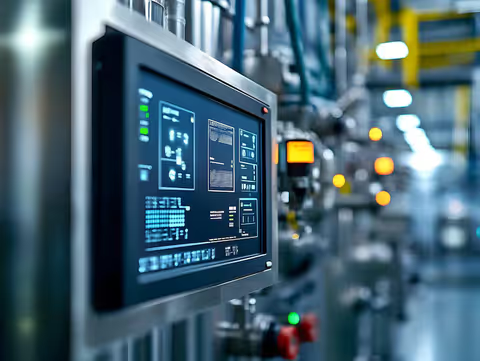
Smart manufacturing has increased interest in predictive maintenance for sealing components. Modern industrial monitoring systems can detect pressure loss, leakage patterns, and equipment performance changes before seal failure occurs.
Environmental regulations have also encouraged industries to adopt sealing materials with lower emissions and longer service life, reducing waste generated through frequent replacements.
Improved manufacturing methods, including precision molding and advanced polymer engineering, continue enhancing sealing accuracy and durability for demanding industrial applications.
Benefits of Using High-Quality Industrial Sealing Rings
Reliable sealing rings provide significant operational advantages across industrial equipment.
They reduce fluid and gas leakage, helping maintain pressure and operational efficiency. This improves machine performance and reduces energy loss.
High-quality seals protect internal components from contamination caused by dust, moisture, and chemicals.
Effective sealing also extends equipment lifespan by reducing wear on bearings, shafts, pistons, and other moving parts.
Lower maintenance requirements help minimize unexpected downtime and improve production continuity.
In industries with strict environmental or safety standards, dependable sealing technology also supports compliance by reducing leaks and improving containment.
The Future of Industrial Sealing Rings
Industrial sealing rings are becoming increasingly specialized as equipment grows more advanced. Future sealing solutions are expected to support higher operating pressures, wider temperature ranges, and more demanding chemical environments.
New elastomer blends and engineered polymers are being developed to improve durability while reducing friction and maintenance requirements. Lightweight sealing materials are also supporting energy-efficient industrial equipment and electric mobility technologies.
Digital manufacturing technologies, including precision machining and automated quality inspection, are improving consistency in sealing ring production. This helps industries achieve better sealing performance across complex mechanical systems.
As industrial automation, renewable energy, and advanced manufacturing continue expanding, sealing rings will remain essential components for reliable, safe, and efficient equipment operation.
Frequently Asked Questions
What is the main purpose of an industrial sealing ring?
An industrial sealing ring prevents the leakage of liquids, gases, or lubricants while protecting equipment from contamination between connected or moving mechanical surfaces.
How do I choose the right sealing ring material?
Material selection depends on operating temperature, pressure, chemical compatibility, movement type, and environmental conditions within the equipment.
What is the difference between static and dynamic sealing rings?
Static sealing rings seal fixed surfaces without movement, while dynamic sealing rings operate with rotating or reciprocating components such as shafts and pistons.
How often should industrial sealing rings be replaced?
Replacement intervals depend on equipment operating conditions, maintenance schedules, material aging, pressure levels, and signs of wear or leakage.
Can sealing rings withstand high temperatures and chemicals?
Yes. Specialized materials such as PTFE, silicone, metal alloys, and advanced elastomers are designed for demanding industrial environments involving extreme temperatures and aggressive chemicals.
Conclusion
Industrial sealing rings are small components with a significant impact on industrial equipment performance, safety, and reliability. They help maintain pressure, prevent leaks, protect machinery from contamination, and support efficient operation across manufacturing, hydraulic systems, chemical processing, automotive applications, and many other industries.
Understanding sealing ring types, materials, operating conditions, installation practices, and maintenance requirements allows industries to improve equipment longevity and reduce unexpected downtime. As industrial technology continues advancing, sealing rings are evolving with stronger materials, improved precision, and longer service life to meet the growing demands of modern industrial systems.