As industries continue to automate production and use higher-performance machinery, gearbox design has become more advanced. Engineers now focus not only on strength and durability but also on efficiency, noise reduction, compact size, thermal management, and predictive maintenance compatibility. Whether used in heavy industrial equipment or precision manufacturing systems, a gearbox must be designed to match the application's operating conditions.
This guide explains industrial gearbox design in simple language, covering its purpose, working principles, design considerations, materials, lubrication methods, applications, maintenance, and future developments.
Understanding Industrial Gearbox Design
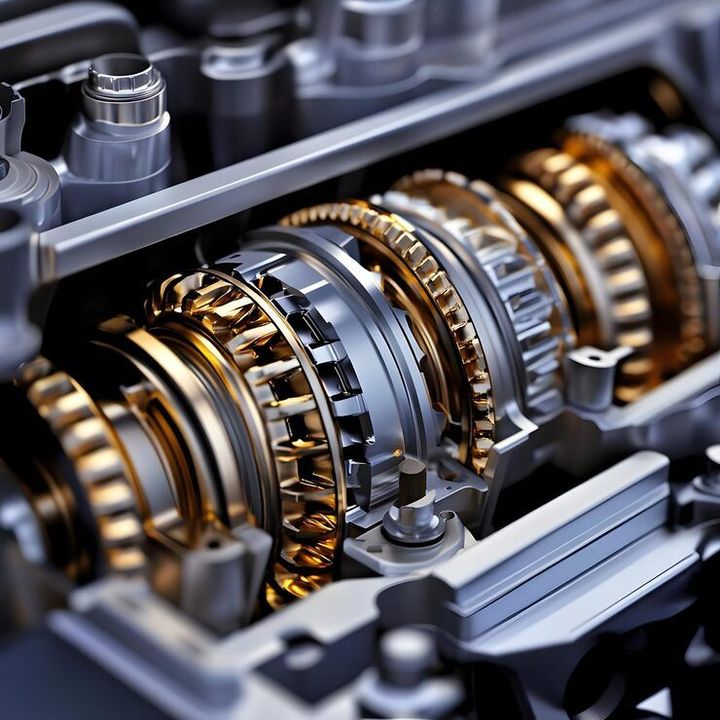
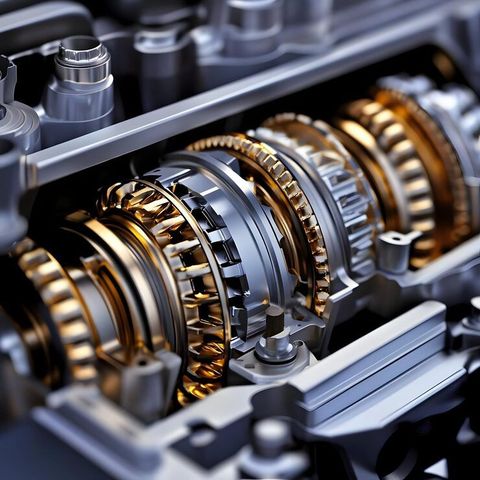
Industrial gearbox design refers to the engineering process of creating a mechanical transmission system that transfers power and changes speed, torque, or direction between a motor and driven equipment. The gearbox contains a set of gears enclosed within a protective housing. These gears work together to convert the rotational speed and torque generated by a motor into the output required by industrial machinery.
The primary objective of gearbox design is to deliver reliable power transmission while minimizing mechanical losses, vibration, heat generation, and component wear. Every gearbox is designed according to specific operational requirements, including load capacity, input speed, output speed, environmental conditions, and expected service life.
A properly engineered gearbox balances mechanical strength, efficiency, manufacturability, lubrication performance, and maintenance accessibility.
Why Industrial Gearbox Design Matters
Industrial machinery operates under varying loads, speeds, and environmental conditions. A gearbox that is not properly designed may suffer from excessive wear, overheating, vibration, or premature failure. Effective gearbox design helps industries achieve stable production, lower maintenance costs, and improved operational reliability.
Modern gearbox design is especially important because industries increasingly rely on continuous production systems where equipment downtime can affect productivity. A gearbox designed with the correct gear ratio, bearing selection, shaft alignment, and lubrication system supports uninterrupted operation over long periods.
The importance of gearbox design extends across manufacturing, energy production, mining, agriculture, transportation, and material handling industries.
How an Industrial Gearbox Works
A gearbox receives rotational energy from an electric motor or another power source through the input shaft. Inside the housing, gears mesh together to modify rotational speed and torque. The output shaft delivers the adjusted motion to the driven machine.
If speed is reduced, torque increases. If speed is increased, torque decreases. This mechanical relationship allows one motor to power machines with different operating requirements.
The gearbox housing supports shafts, bearings, seals, and lubrication systems while protecting internal components from dust, moisture, and contaminants. Bearings reduce friction between rotating shafts, while lubrication forms a protective film between gear teeth to reduce wear and heat.
The efficiency of this power transfer depends on gear geometry, material quality, lubrication, alignment accuracy, and manufacturing precision.
Main Components of an Industrial Gearbox
An industrial gearbox consists of several interconnected mechanical components designed to work together under load.
Gear Sets
Gear sets are the core components responsible for transmitting motion and torque. Different gear geometries are selected depending on speed, load, efficiency, and installation requirements.
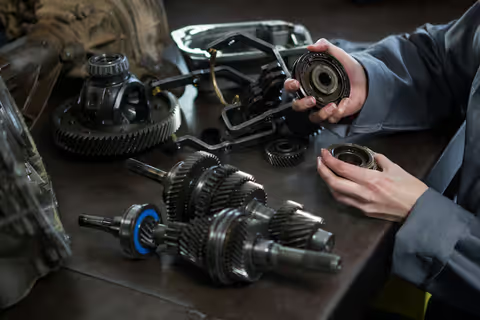
Spur gears are commonly used for simple parallel shaft applications. Helical gears provide smoother operation and lower noise. Bevel gears transmit motion between intersecting shafts, while worm gears provide high reduction ratios in compact spaces.
Planetary gear systems distribute load across multiple gears, making them suitable for high-torque industrial equipment.
Shafts
Input and output shafts transmit rotational power into and out of the gearbox. Shaft diameter, material selection, and alignment are carefully designed to withstand torsional and bending stresses.
Bearings
Bearings support rotating shafts while minimizing friction. Proper bearing selection improves load capacity, rotational accuracy, and gearbox lifespan.
Housing
The gearbox housing protects internal components and maintains alignment between shafts and bearings. It also helps dissipate heat generated during operation.
Seals and Lubrication System
Seals prevent lubricant leakage and protect the gearbox from contamination. Lubrication systems reduce friction, remove heat, and protect gear surfaces from wear.
Types of Industrial Gearboxes and Their Design Characteristics
Different industrial applications require different gearbox designs depending on torque, speed, efficiency, and installation orientation.
Spur Gearbox Design
Spur gearboxes use straight-toothed gears mounted on parallel shafts. Their simple design makes them suitable for moderate-speed industrial applications where efficiency and ease of manufacturing are priorities.
They are commonly found in conveyors, packaging machinery, compressors, and industrial automation equipment.
Helical Gearbox Design
Helical gearboxes use angled teeth that engage gradually rather than instantly. This produces smoother operation, lower vibration, and quieter performance compared to spur gears.
Helical gearbox design is widely used in heavy manufacturing equipment, mixers, pumps, fans, and processing machinery.
Bevel Gearbox Design
Bevel gearboxes change the direction of power transmission, usually by 90 degrees. Their conical gear design makes them suitable for right-angle drives in industrial machinery.
Worm Gearbox Design
Worm gearboxes provide significant speed reduction and high torque output in compact spaces. Their design also allows self-locking characteristics in some applications, making them useful for lifting systems and positioning equipment.
Planetary Gearbox Design
Planetary gearboxes combine a sun gear, planet gears, ring gear, and carrier. Multiple gear contacts distribute load evenly, resulting in compact gearboxes capable of transmitting very high torque.
These gearboxes are widely used in robotics, wind turbines, heavy industrial machinery, and automated manufacturing systems.
The Industrial Gearbox Design Process
Designing an industrial gearbox involves multiple engineering stages that ensure the gearbox meets operational and safety requirements.
The process begins by defining operating conditions such as power rating, torque, speed, load cycles, environmental exposure, and installation orientation.
Engineers then determine the required gear ratio based on input and output speed requirements. Gear geometry is selected according to torque capacity, efficiency targets, and available installation space.
The next stage involves shaft sizing, bearing selection, housing design, lubrication planning, sealing design, and thermal analysis. Computer-aided engineering tools help simulate stresses, deflection, contact pressure, vibration, and fatigue life before manufacturing begins.
Manufacturing tolerances, surface finishing, heat treatment, and assembly accuracy are incorporated into the final design to ensure reliable performance.
Materials Used in Industrial Gearbox Design
Material selection plays a critical role in gearbox durability and performance. Different components require different mechanical properties depending on stress levels and operating conditions.
Gear teeth are commonly manufactured from alloy steels because they provide high strength, fatigue resistance, and wear resistance. Heat treatment processes such as carburizing or nitriding improve surface hardness while maintaining a tough core.
Shafts are typically made from medium or high-strength alloy steels designed to withstand torsional loads and repeated fatigue cycles.
Gearbox housings are commonly manufactured from cast iron or cast steel for rigidity and vibration damping. Aluminum housings are sometimes used in lightweight industrial equipment where corrosion resistance and reduced weight are priorities.
Bearings use hardened steel materials designed for rolling contact fatigue resistance under continuous operation.
Gear Ratio and Torque Considerations
Gear ratio is one of the most important design parameters in any industrial gearbox. It defines the relationship between input speed and output speed.
A higher gear reduction ratio decreases output speed while increasing torque. Lower reduction ratios maintain higher output speed with less torque multiplication.
Engineers calculate gear ratios according to equipment requirements, considering motor characteristics, starting torque, operating speed range, overload conditions, and efficiency goals.
Selecting the correct ratio helps prevent excessive motor loading and ensures machinery operates within its intended performance range.
Lubrication in Industrial Gearbox Design
Lubrication is essential for reducing friction, controlling temperature, and preventing wear between moving components.
Oil lubrication is widely used in industrial gearboxes because it continuously forms a protective film between gear teeth and bearings. Splash lubrication is common in smaller gearboxes, while circulating oil systems are used in larger industrial applications requiring better cooling.
Grease lubrication is sometimes used in low-speed or sealed gearbox designs where maintenance intervals are longer.
Proper lubricant viscosity depends on operating temperature, gear speed, load conditions, and environmental factors. Lubrication systems are designed to ensure consistent oil distribution throughout the gearbox during operation.
Heat Management and Gearbox Efficiency
Every gearbox generates heat because of friction between gears, bearings, and lubricant movement. Effective thermal management improves efficiency and prevents lubricant degradation.
Gearbox design incorporates housing fins, cooling surfaces, oil circulation systems, and ventilation methods to dissipate heat. In heavy-duty applications, external oil coolers may be integrated into the lubrication system.
Efficiency depends on gear tooth geometry, surface finish, lubrication quality, bearing friction, and alignment accuracy. Helical and planetary gearboxes often provide higher efficiency under continuous industrial operation compared to some high-reduction gearbox types.
Reducing internal friction helps lower energy consumption and extends gearbox life.
Common Applications of Industrial Gearbox Design
Industrial gearboxes are used in nearly every industry where rotational power must be controlled or transmitted.
Manufacturing plants use gearboxes in conveyors, mixers, crushers, and assembly equipment. Mining operations rely on heavy-duty gearboxes for crushers, mills, excavators, and material handling systems.
Power generation industries use specialized gearbox designs in wind turbines, hydroelectric equipment, and industrial generators. Agricultural machinery uses gearboxes in harvesters, irrigation systems, and processing equipment.
Food processing, cement production, chemical plants, textile manufacturing, marine systems, and automation equipment all depend on application-specific gearbox designs.
Recent Trends in Industrial Gearbox Design (2025–2026)
Recent engineering developments have focused on improving gearbox efficiency, monitoring capabilities, and sustainability.
Smart industrial gearboxes now include vibration, temperature, and oil condition sensors that support predictive maintenance systems. These sensors help identify wear before major failures occur.
Manufacturers are increasingly using advanced simulation software to optimize gear geometry and reduce material usage while maintaining strength.
Energy-efficient gearbox designs reduce friction losses and support industrial sustainability initiatives by lowering power consumption.
Compact high-torque planetary gearboxes continue to gain popularity in robotics, automated manufacturing, and renewable energy equipment.
Advanced surface coatings and improved lubrication technologies have also increased gearbox durability in demanding industrial environments.
Maintenance Considerations for Industrial Gearboxes
Even the best gearbox design requires regular maintenance to maintain long-term reliability.
Routine inspections help identify lubricant contamination, unusual vibration, overheating, shaft misalignment, or seal wear before they develop into larger problems.
Oil analysis provides valuable information about internal wear particles and lubricant condition. Scheduled lubricant replacement helps maintain protective film strength.
Bearing condition monitoring, gear tooth inspection, and alignment verification contribute to longer gearbox service life and reduced unexpected downtime.
Clean operating environments and proper installation practices also improve gearbox performance.
Common Design Challenges and Engineering Solutions
Industrial gearbox design must address several engineering challenges throughout its operating life.
Heavy loads can create tooth fatigue and surface pitting if gear geometry is not optimized. Heat buildup may reduce lubricant effectiveness during continuous operation.
Misalignment between shafts increases bearing loads and vibration, while contamination accelerates wear on gears and bearings.
Engineers solve these challenges through stronger materials, precision machining, improved lubrication systems, optimized bearing arrangements, vibration analysis, and finite element simulation during the design stage.
Modern manufacturing methods allow tighter tolerances, resulting in quieter operation and more accurate gear meshing.
The Future of Industrial Gearbox Design
Industrial gearbox design is evolving alongside Industry 4.0, automation, and intelligent manufacturing. Future gearboxes will increasingly integrate digital monitoring, predictive diagnostics, and energy-efficient mechanical designs.
Artificial intelligence and machine learning are being incorporated into maintenance systems that analyze gearbox operating data to predict component wear and optimize maintenance schedules.
New manufacturing techniques, including additive manufacturing for specialized components and advanced composite materials for selected applications, are expanding design possibilities.
Sustainability goals are also influencing gearbox development through lightweight designs, recyclable materials, and lubricants with improved environmental performance.
As industrial equipment becomes smarter and more connected, gearbox design will continue to focus on reliability, efficiency, and long operational life.
Conclusion
Industrial gearbox design combines mechanical engineering principles, material science, lubrication technology, and precision manufacturing to create reliable power transmission systems for countless industrial applications. Every design decision—from gear selection and shaft sizing to lubrication and thermal management—directly affects efficiency, durability, and operational safety.
Modern gearbox design goes beyond simply transmitting torque. It now emphasizes energy efficiency, predictive maintenance compatibility, reduced vibration, longer service life, and integration with smart industrial systems. As manufacturing and automation technologies continue to advance, industrial gearboxes will remain essential components that support efficient, reliable, and sustainable industrial operations across a wide range of industries.