Industrial Fermenter Guide to Modern Fermentation Systems and Applications
An industrial fermenter is a controlled vessel used to support biological processes in which microorganisms or other biological materials produce useful substances.
Fermentation has been used for centuries in food production, but modern industrial fermentation applies controlled temperature, acidity, oxygen, mixing, and nutrient conditions to larger and more complex processes. Today, industrial fermenters are used across food production, biotechnology, agriculture, pharmaceutical research, and other areas involving biological processing.
Modern industrial fermentation equipment can range from relatively small laboratory vessels to large tanks designed for continuous or batch production. A commercial fermenter generally contains systems for mixing, temperature control, gas management, monitoring, and cleaning. These components work together to create an environment suitable for a specific biological process.
A bioreactor fermentation system is a broader type of controlled vessel used to maintain biological reactions under defined conditions. Industrial bioreactor equipment can support microorganisms, cells, enzymes, or other biological materials, depending on the application and process requirements.
How Industrial Fermentation Works
Fermentation begins with a biological culture placed inside a controlled environment containing suitable nutrients and other required materials. During the process, microorganisms or cells transform these materials into desired products or intermediate substances.
The main operating conditions can include:
- Temperature, which affects biological activity and growth.
- pH, which influences the chemical environment inside the vessel.
- Agitation, which helps distribute nutrients and maintain uniform conditions.
- Aeration, which supplies oxygen when an aerobic process requires it.
- Pressure, which may be monitored in particular processing environments.
- Nutrient concentration, which influences biological activity and product formation.
Industrial fermentation systems use sensors and control equipment to monitor these conditions. Depending on the process, operators may adjust settings manually or use automated controls.
Main Types of Fermentation Equipment
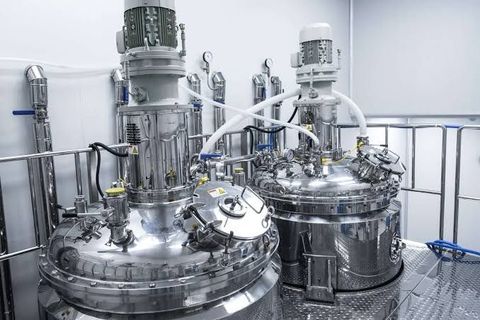
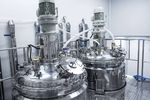
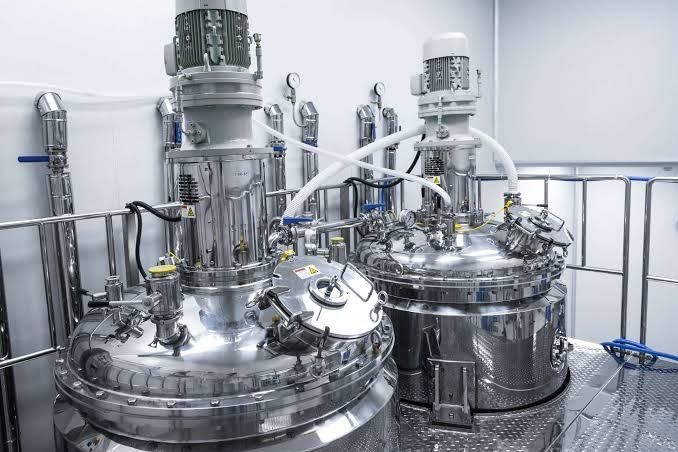
Fermentation processing equipment varies according to scale, biological material, operating conditions, and intended application. A stainless steel fermenter is commonly used where durability, cleanability, and controlled processing conditions are important.
| Equipment type | Typical role | Common consideration |
|---|---|---|
| Laboratory fermenter | Process development and research | Small working volume |
| Commercial fermenter | Production and processing | Reproducible operating conditions |
| Stainless steel fermenter | Industrial-scale processing | Cleaning and material compatibility |
| Bioreactor system | Controlled biological processes | Monitoring and environmental control |
| Large-scale fermenter systems | High-volume production | Mixing, aeration, and heat transfer |
| Automated bioreactor system | Automated monitoring and control | Sensors and control software |
Importance
Industrial fermentation is important because biological processes are involved in the production of many materials used in everyday life. Food ingredients, enzymes, bio-based materials, agricultural products, and certain pharmaceutical manufacturing processes can involve fermentation or related biological processing.
Industrial fermentation equipment allows biological activity to take place under controlled conditions rather than relying entirely on uncontrolled environmental factors. Consistent monitoring is important because small changes in temperature, acidity, oxygen availability, or contamination can influence a fermentation process.
Applications Across Industries
Microbial fermentation systems are widely associated with processes involving bacteria, yeast, fungi, and other microorganisms. Different organisms require different nutrients and environmental conditions, so the design of the fermentation system needs to reflect the biological process.
Pharmaceutical fermentation equipment is used in controlled biological manufacturing environments where fermentation-based processes form part of production. Such environments generally involve detailed procedures for contamination control, monitoring, documentation, and quality management.
Other applications include:
- Food and beverage ingredient production.
- Enzyme production.
- Agricultural biological products.
- Bio-based chemical production.
- Research and development.
- Biotechnology processes.
- Production of fermentation-derived materials.
Scale and Process Control
Large scale fermenter systems introduce additional engineering considerations. As vessel size increases, maintaining consistent mixing, temperature, oxygen distribution, and heat transfer can become more complex.
Industrial bioprocessing equipment therefore often incorporates multiple sensors and control mechanisms. Automated fermentation systems can collect measurements continuously and adjust selected operating conditions according to programmed parameters.
Precision fermentation equipment represents another area of development. Precision fermentation generally uses microorganisms that have been selected or modified to produce a particular substance. The process still depends on controlled biological growth and carefully managed fermentation conditions.
Recent Updates
Between 2024 and 2026, fermentation technology has continued to develop alongside biotechnology, digital monitoring, automation, and interest in bio-based production. Current development generally focuses on greater process monitoring, improved data collection, flexible equipment configurations, and integration with digital control systems.
Automation and Digital Monitoring
Automated bioreactor fermentation systems increasingly combine sensors with software for monitoring process conditions. Temperature, pH, dissolved oxygen, pressure, agitation, and other variables can be displayed through digital interfaces.
Automated controls can reduce the amount of routine manual adjustment required during a process, although human oversight remains important. Data collected during fermentation can also help researchers and operators compare batches and identify changes in process behavior.
Precision Fermentation
Precision fermentation has received increased attention as biotechnology companies and research groups investigate ways to produce specific proteins, enzymes, ingredients, and other materials through microorganisms. The approach involves selecting a suitable microorganism and controlling its environment so that it produces a particular target substance.
Precision fermentation equipment may therefore require accurate control of nutrient delivery, temperature, oxygen, pH, agitation, and harvesting conditions. The exact requirements vary considerably between biological processes.
Larger and More Connected Systems
High capacity industrial fermentation systems increasingly incorporate digital monitoring and interconnected control components. Industrial equipment may communicate process information to supervisory software, allowing multiple parameters to be viewed in one interface.
Advanced industrial fermenters can also be designed with modular components so that different monitoring, mixing, or gas-handling arrangements can be incorporated. However, equipment selection remains dependent on the biological process, production scale, materials, regulatory requirements, and facility design.
Tools and Resources
Understanding fermentation equipment can involve several technical and educational resources. Process diagrams, equipment manuals, laboratory protocols, and biotechnology textbooks can help explain how fermentation systems operate.
Process Design Resources
Useful resources for learning about industrial fermentation include:
- Fermentation process flow diagrams for understanding individual stages.
- Mass-balance worksheets for tracking materials entering and leaving a process.
- Heat-transfer calculations for studying temperature management.
- Agitation and aeration references for understanding oxygen distribution.
- Process-monitoring templates for recording operating conditions.
- Equipment documentation for understanding vessel components and instrumentation.
Standards and Educational Materials
Organizations involved in biotechnology, engineering, food production, and pharmaceutical manufacturing publish technical information related to fermentation and bioprocessing. Academic publications can provide information about microbial growth, reactor design, process control, and scale-up.
Complete industrial fermentation systems may include vessels, pumps, sensors, controllers, gas-handling components, cleaning arrangements, and data systems. Reviewing each component separately can help explain how the overall system operates.
Factors Used in System Design
The selection and design of industrial fermentation systems can depend on several variables:
- Type of microorganism or biological material.
- Required working volume.
- Batch or continuous operation.
- Oxygen requirements.
- Temperature and pH ranges.
- Mixing characteristics.
- Cleaning and contamination-control requirements.
- Materials compatible with the process.
- Monitoring and automation requirements.
FAQs
What is an industrial fermenter?
An industrial fermenter is a controlled vessel used to support biological processes at a larger scale. It manages conditions such as temperature, pH, mixing, and gas supply according to the requirements of the process.
What is industrial fermentation equipment used for?
Industrial fermentation equipment is used for controlled biological production involving microorganisms or other biological materials. Applications can include food ingredients, enzymes, biotechnology processes, agricultural materials, and pharmaceutical manufacturing.
How do automated fermentation systems work?
Automated fermentation systems use sensors, controllers, and software to monitor selected process conditions. Depending on the system design, controls can adjust parameters such as temperature, agitation, gas flow, or nutrient addition according to defined settings.
What is a stainless steel fermenter?
A stainless steel fermenter is a fermentation vessel constructed primarily from stainless steel. This material is widely used in controlled processing environments because it can be fabricated into sanitary vessels and designed for repeated cleaning and operation.
What is precision fermentation equipment?
Precision fermentation equipment is designed to support fermentation processes in which microorganisms are used to produce specific target substances. The equipment can provide controlled conditions for growth and production, including temperature, pH, oxygen, mixing, and nutrient management.
Conclusion
Industrial fermenters provide controlled environments for biological processes across food, biotechnology, agriculture, and pharmaceutical manufacturing. Modern industrial fermentation systems increasingly combine sensors, automation, digital monitoring, and data collection with established fermentation principles. Equipment requirements vary according to the organism, process conditions, production scale, and intended application. Understanding these factors provides a foundation for understanding how modern fermentation systems are designed and operated.