Industrial Energy Efficiency: A Guide to Smarter Energy Management
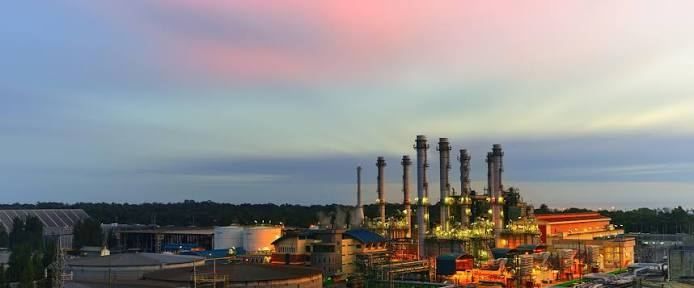
Industrial energy efficiency refers to the structured use of energy in factories, processing facilities, warehouses, utilities, and other industrial environments.
It involves reducing unnecessary energy use while maintaining the required operating conditions, production activities, safety requirements, and equipment performance. Industrial energy efficiency has developed alongside modern manufacturing, electrical systems, automation, and energy monitoring technologies.
Industrial energy management focuses on understanding where energy enters a facility, how it is distributed, and where it is consumed. Electricity, natural gas, steam, compressed air, fuel, and other energy sources may support different parts of an industrial process. Measuring these flows helps organizations understand how equipment and processes influence overall energy consumption.
Industrial energy efficiency solutions can include equipment upgrades, control systems, monitoring platforms, process improvements, and operational changes. The appropriate approach depends on the facility, production process, equipment condition, operating schedule, and available energy data.
How Industrial Energy Management Developed
Earlier industrial facilities often relied on basic meters and manual readings to track energy use. As electrical controls, digital sensors, and computer systems developed, organizations gained more ways to collect and analyze energy information.
Today, industrial energy management systems can combine meters, sensors, software, automation controls, and reporting tools. These systems can help identify changes in energy consumption and provide information for operational analysis.
Main Areas of Energy Use
Industrial energy consumption can come from many sources, including:
- Motors and mechanical equipment
- Heating and cooling systems
- Compressed-air systems
- Pumps and fans
- Boilers and steam systems
- Industrial lighting
- Production machinery
- Refrigeration and process cooling
- Material-handling equipment
Energy efficiency management systems can bring information from several areas together so that energy use can be examined across a facility rather than through isolated equipment readings.
Importance
Industrial energy efficiency matters because industrial facilities use energy across many interconnected processes. Changes in one system can affect another, making it useful to understand energy flows as part of the wider production environment.
Energy management also has a broader effect on communities. Industrial electricity and fuel demand can influence local infrastructure requirements and environmental conditions, while efficient energy use can reduce unnecessary resource consumption.
Managing Energy Across Industrial Processes
Industrial energy optimization involves examining how equipment operates under different loads and conditions. A motor, pump, compressor, or heating system may not use energy in the same way throughout its operating cycle.
Industrial energy monitoring systems can collect information at different points in a facility. This can help identify patterns such as unusually high consumption, changing demand, equipment operating outside expected schedules, or differences between production periods.
Role of Energy Monitoring Equipment
Industrial energy monitoring equipment may include electricity meters, power-quality meters, temperature sensors, flow meters, pressure sensors, and other measurement devices. The selected equipment depends on the type of energy being monitored and the characteristics of the process.
Monitoring does not automatically improve efficiency. Its primary purpose is to provide reliable information that can be analyzed alongside production levels, operating conditions, and equipment performance.
Equipment and System Efficiency
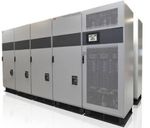
Industrial energy efficiency equipment can include variable-speed drives, efficient motors, heat-recovery equipment, improved insulation, efficient lighting systems, high-efficiency industrial equipment, and modern control components.
Industrial power efficiency equipment may also help manage electrical loads and improve the way power is distributed or controlled. The actual effect depends on system design, operating conditions, equipment selection, and maintenance.
Recent Updates
From 2024 through 2026, industrial energy management has continued moving toward greater digital monitoring, automation, data integration, and intelligent control. The broader direction is toward systems that connect energy information with production and operational data.
Greater Use of Automated Energy Management
Automated energy management systems can use information from meters, sensors, building controls, and industrial equipment to monitor energy conditions. Depending on the system, automated controls may adjust equipment operation according to schedules, process requirements, demand conditions, or predefined limits.
Automated industrial energy management systems are also becoming more closely connected with industrial automation platforms. This can make it possible to examine energy use alongside production information rather than treating energy as a separate measurement.
Data-Based Energy Optimization
Industrial energy optimization systems increasingly use historical and real-time information to identify patterns. Data may be compared across shifts, production volumes, equipment groups, or operating conditions.
Advanced industrial energy management can also involve predictive analysis. Such systems may identify unusual energy patterns that warrant further investigation, although automated analysis does not replace physical inspection or engineering assessment.
Integration With Digital Industrial Systems
Energy monitoring is increasingly connected with broader industrial information systems. Industrial energy monitoring systems can exchange information with manufacturing software, control platforms, dashboards, and reporting tools.
This integration supports a more complete view of energy consumption. However, compatibility between older equipment and newer digital systems remains an important consideration, particularly in facilities that have expanded their automation infrastructure over many years.
| Energy Management Area | Common Measurement | Possible Management Focus |
|---|---|---|
| Electricity | Voltage, current, power, demand | Electrical load management |
| Motors | Power use, operating hours | Motor operation and loading |
| Compressed air | Pressure, flow, power | Leakage and demand patterns |
| Heating | Temperature, fuel use | Process heating control |
| Cooling | Temperature, power use | Cooling system operation |
| Steam | Pressure, flow, fuel input | Steam distribution and use |
| Production | Output and operating hours | Energy use per production unit |
Tools and Resources
A range of tools can support industrial energy management, from simple measurement devices to integrated software platforms. The appropriate tool depends on the size and complexity of the facility.
Energy Measurement Tools
Industrial energy monitoring equipment can include digital power meters, current transformers, flow meters, temperature sensors, pressure sensors, and data loggers. These devices help collect information about energy consumption and operating conditions.
Energy calculators can also help estimate energy use from equipment ratings, operating hours, load levels, and utility data. Such calculations are generally more useful when supported by measured operating information.
Energy Management Software
Industrial energy management systems can organize readings from different meters and present them through dashboards or reports. Process data may be grouped by production area, equipment type, building, or operating period.
Energy efficiency management systems may also track indicators such as energy consumption per production unit, peak demand, operating hours, and changes over time. These measurements can help distinguish changes caused by production volume from changes associated with equipment operation.
Standards and Educational Resources
Organizations studying energy efficiency can consult resources from government energy agencies, standards organizations, engineering institutions, and industrial energy research groups. Energy management standards such as ISO 50001 provide a structured framework for establishing, maintaining, and improving an energy management system.
Templates for energy audits, equipment inventories, measurement plans, and energy-performance tracking can also help organize information. These resources are useful for documenting how energy is consumed and how changes are evaluated.
FAQs
What is industrial energy efficiency?
Industrial energy efficiency is the practice of using energy more effectively within industrial processes and facilities. It involves equipment, controls, monitoring, maintenance, and operational practices that reduce unnecessary energy use while maintaining required process conditions.
What are industrial energy efficiency solutions?
Industrial energy efficiency solutions include technologies and process changes used to manage energy consumption. Examples include efficient motors, variable-speed drives, improved insulation, heat recovery, automated controls, and industrial energy monitoring systems.
How do industrial energy management systems work?
Industrial energy management systems collect and organize information about energy consumption from meters, sensors, and other sources. Software can then display trends, compare measurements, and support analysis of energy use across different parts of a facility.
What is industrial energy optimization?
Industrial energy optimization involves analyzing energy use and operating conditions to identify ways that industrial processes can use energy more effectively. It can include equipment adjustments, process controls, scheduling changes, and data-based monitoring.
What are advanced industrial energy efficiency systems?
Advanced industrial energy efficiency systems can combine measurement devices, automation, software, analytics, and control technologies. Their purpose is to provide a more connected view of energy consumption and operating conditions across an industrial environment.
Conclusion
Industrial energy efficiency combines measurement, equipment management, process control, and operational analysis to understand how energy is used in industrial environments. Industrial energy management systems and monitoring equipment can provide information about consumption patterns, while automation and efficient equipment can influence how energy is controlled. Recent developments have increased the connection between energy data, industrial automation, and digital analysis. The overall field now covers both individual equipment improvements and broader energy management across connected industrial systems.