How Impact Crusher Systems Work: A Complete Guide
Impact crushers are widely used in aggregate processing, quarrying, mining, construction material recycling, and mineral processing.
Unlike compression crushers that reduce material mainly by squeezing it between surfaces, impact crusher systems use controlled impact forces to break material into smaller particles.
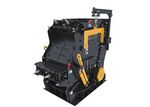
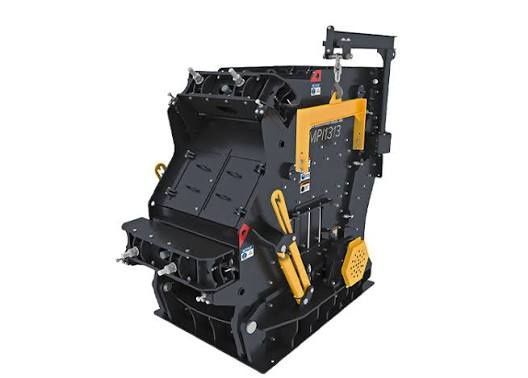
These systems combine a rotor, crushing chamber, impact surfaces, drive assembly, feed arrangement, and discharge system. Depending on the design, impact crushers can be used for primary, secondary, or tertiary crushing. Understanding how these components work together helps explain their role in modern crushing plants.
Why Impact Crusher Systems Matter
Material reduction is often performed in several stages. The appropriate crushing method depends on the material's hardness, size, shape, abrasiveness, and required final product.
Impact crusher systems can be useful when particle shape and controlled reduction are important. Their operating characteristics can support the production of cubical aggregate and processed materials with defined size ranges.
Key functions include:
- Reducing rock and aggregate materials
- Processing recycled construction materials
- Producing controlled particle sizes
- Supporting primary and secondary crushing
- Improving particle shape in suitable applications
- Processing selected mineral materials
- Integrating with screening and conveying systems
How Impact Crusher Systems Work
The basic operating principle involves accelerating material and directing it against impact surfaces.
Material enters the crushing chamber through a feed opening. A rotating rotor equipped with blow bars or similar impact elements accelerates the material.
The accelerated material strikes impact aprons or other surfaces, causing it to fracture. Some particles may then return toward the rotor for additional impact and reduction.
The basic process can be summarized as:
- Material enters the crusher.
- The rotor rotates at a controlled speed.
- Impact elements accelerate the feed material.
- Material strikes impact surfaces.
- Fractured particles undergo additional impacts when required.
- Smaller particles move toward the discharge area.
- The processed material leaves the crusher for screening or further processing.
The number and intensity of impacts depend on crusher design, rotor speed, material properties, and operating settings.
Main Types of Impact Crusher Systems
Horizontal Shaft Impact Crushers
A horizontal shaft impact crusher (HSI) uses a horizontally oriented rotor. Feed material is accelerated by the rotor and thrown against impact aprons.
HSI crushers are commonly used for aggregate production, quarrying, recycling, and various mineral-processing applications.
They can be configured for different crushing stages by changing chamber geometry, rotor characteristics, and operating settings.
Vertical Shaft Impact Crushers
A vertical shaft impact crusher (VSI) uses a vertically oriented rotor. Material is accelerated outward from the rotor and interacts with other material or impact surfaces.
VSI systems are often associated with shaping and producing more cubical particles, manufactured sand, and fine aggregate products.
Primary Impact Crushers
Primary impact crushers are designed to handle relatively large feed material. They are commonly positioned after material extraction or initial feeding.
Secondary Impact Crushers
Secondary impact crushers receive material that has already undergone primary reduction. They can provide further size reduction and particle shaping.
Key Components of Impact Crusher Systems
| Component | Main Function |
|---|---|
| Rotor | Accelerates material |
| Blow bars | Transfer impact energy to material |
| Impact aprons | Provide surfaces for material impact |
| Crushing chamber | Contains the impact process |
| Feed hopper | Directs material into the crusher |
| Drive motor | Provides rotational power |
| Bearings | Support the rotor assembly |
| Hydraulic system | Supports adjustment or access functions |
| Discharge opening | Allows processed material to exit |
| Control system | Monitors and manages operation |
Important Features
Rotor Design
The rotor is one of the central components of an impact crusher. Its diameter, width, mass, speed, and configuration influence how material is accelerated.
Rotor balance is important because uneven loading can increase vibration and mechanical stress.
Blow Bars
Blow bars are wear components attached to the rotor. They directly interact with the incoming material and transfer impact energy.
Different materials and operating conditions may require different blow-bar designs or materials.
Impact Aprons
Impact aprons create surfaces against which accelerated material is fractured. Their position can influence the crushing chamber geometry and resulting product size.
Some systems allow adjustment of the apron position to modify the crushing gap.
Crushing Chamber
The chamber determines how material moves through the crusher. Its geometry influences the number of impacts and the relationship between feed size and discharge size.
Hydraulic Adjustment
Some modern systems incorporate hydraulic mechanisms for adjusting impact aprons or opening the crusher for inspection and maintenance.
Factors Affecting Crushing Performance
Material Characteristics
Material hardness, density, moisture, abrasiveness, and fracture properties can influence impact crushing behavior.
Materials that fracture readily may respond differently from highly abrasive materials.
Rotor Speed
Rotor speed affects the velocity of material leaving the rotor. Higher speed can increase impact energy, but operating conditions must remain within equipment specifications.
Feed Size
The feed material should remain within the crusher's specified size range. Oversized feed can affect throughput and increase mechanical stress.
Feed Distribution
A consistent feed across the rotor width helps maintain balanced operating conditions. Uneven feeding can result in irregular wear and unstable performance.
Impact Gap
The distance between the rotor and impact surfaces influences the amount of material reduction. Adjusting this gap can affect the resulting particle size distribution.
Wear Component Condition
Blow bars and impact surfaces gradually wear during operation. Their condition can influence crushing chamber geometry and product characteristics.
Impact Crusher Systems vs Cone Crushers
Both technologies can be used in secondary and tertiary crushing, but their operating principles differ.
| Feature | Impact Crusher | Cone Crusher |
|---|---|---|
| Main crushing mechanism | Impact | Compression |
| Main moving component | Rotor | Mantle |
| Impact surfaces | Blow bars and aprons | Mantle and concave |
| Particle shaping | Often strong shaping capability | Depends on chamber and operation |
| Typical applications | Aggregate, recycling, minerals | Aggregate, quarrying, minerals |
| Wear components | Blow bars and impact surfaces | Mantle and concave |
| Feed characteristics | Depends on model | Depends on model |
The appropriate technology depends on material characteristics, desired product shape, feed size, production requirements, and plant configuration.
Applications of Impact Crusher Systems
Impact crusher systems are used across several industries and material-processing operations.
Common applications include:
- Aggregate production
- Quarrying
- Construction material recycling
- Concrete recycling
- Asphalt recycling
- Mineral processing
- Manufactured sand production
- Road construction material processing
- Demolition material processing
Application suitability depends on material characteristics and the specific crusher configuration.
Best Practices for Operation and Maintenance
Regular inspection can help maintain stable operating conditions and identify wear or mechanical problems.
Recommended practices include:
- Maintain consistent feed distribution.
- Monitor blow-bar wear regularly.
- Inspect impact aprons for wear and damage.
- Check rotor balance and condition.
- Monitor bearings and lubrication systems.
- Track vibration and unusual operating conditions.
- Keep feed material within specified limits.
- Inspect hydraulic and adjustment systems where fitted.
- Follow manufacturer maintenance schedules.
Proper maintenance is particularly important because impact crushers operate with repeated high-energy material interactions.
Automation and Monitoring
Modern impact crushing systems can be integrated with plant-level automation. Sensors and control systems can monitor variables such as motor load, vibration, bearing temperature, hydraulic pressure, and operating hours.
Centralized monitoring can provide alerts when operating conditions move outside defined parameters. Integration with feeders, conveyors, and screening systems can also help coordinate the overall crushing process.
Who Uses Impact Crusher Systems?
Impact crushers can be relevant to organizations involved in:
- Quarry operations
- Aggregate production
- Mining
- Construction recycling
- Demolition recycling
- Mineral processing
- Road material production
- Concrete and asphalt recycling
The selected system should match the material type, feed characteristics, required output, and crushing stage.
FAQs About Impact Crusher Systems
What are impact crusher systems used for?
Impact crusher systems are used to reduce rock, aggregate, minerals, concrete, asphalt, and other suitable materials through impact forces.
How does an impact crusher work?
A rotor accelerates material and directs it against impact surfaces. The resulting force fractures the material, which may undergo additional impacts before leaving the crushing chamber.
What is the difference between HSI and VSI crushers?
HSI crushers use a horizontal rotor and are commonly used for primary or secondary crushing. VSI crushers use a vertical rotor and are often used for particle shaping and fine aggregate production.
What factors affect impact crusher performance?
Material properties, rotor speed, feed size, feed distribution, impact gap, chamber configuration, and wear-component condition can all affect performance.
How often should impact crusher components be inspected?
Inspection frequency depends on operating hours, material abrasiveness, feed characteristics, and equipment design. Wear components, bearings, lubrication systems, rotor assemblies, and impact surfaces should be checked according to operating requirements and manufacturer guidance.
Conclusion
Impact crusher systems use controlled impact forces to reduce and shape suitable materials across aggregate, quarrying, recycling, and mineral-processing applications. Their main components include rotors, blow bars, impact aprons, crushing chambers, drive systems, and monitoring controls.
System performance depends on material characteristics, feed conditions, rotor speed, chamber settings, and wear-component condition. Proper equipment selection, regular inspection, and coordinated plant operation can help maintain consistent crushing conditions.