Explore Roller Bearings: Overview, Basics & Key Insights
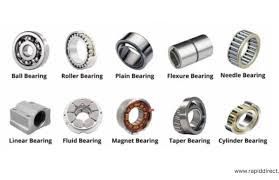
Roller bearings are a type of mechanical bearing that use cylindrical or other “roller” elements between two concentric rings (an inner race and outer race) to reduce friction and support loads during rotation. Unlike ball bearings, which use spherical balls, roller bearings use elongated rolling elements, giving them higher load-carrying capabilities.
These bearings exist because machinery requires smooth, efficient rotation of shafts or moving parts while supporting both radial and axial loads. Bearings reduce sliding friction by converting it into rolling friction, allowing machines to run smoothly with minimal wear and energy loss.
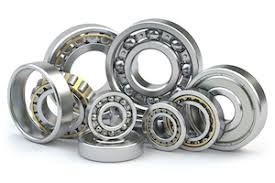
In simple terms, when a shaft or rotor turns inside a housing, roller bearings help hold it securely while enabling it to rotate freely, efficiently, and quietly.
Importance
Roller bearings are essential across industries because nearly every machine with rotating parts depends on them.
Key reasons for their importance include:
-
Reliability: Properly designed bearings prevent breakdowns, excessive vibration, and mechanical failures.
-
High Load Capacity: Their line contact (rather than point contact like in ball bearings) allows them to carry heavier radial loads.
-
Energy Efficiency: Reduced friction improves efficiency and extends equipment lifespan.
-
Versatility: Found in vehicles, wind turbines, construction machinery, robotics, manufacturing systems, and industrial plants.
-
Maintenance and Durability: Correct bearing selection, installation, lubrication, and monitoring reduce downtime and maintenance costs.
For engineers, maintenance teams, and designers, understanding roller bearings is essential to ensure safety, longevity, and efficiency of mechanical systems.
Recent Updates
The roller bearings industry has seen significant developments in recent years.
-
Market Growth: The global bearings market (including roller bearings) was valued at around USD 58 billion in 2024 and is expected to surpass USD 140 billion by 2034, growing steadily due to industrial and automotive demand.
-
Material Innovation: The use of hybrid and ceramic materials has increased, offering higher speed limits, better corrosion resistance, and longer life in harsh conditions.
-
Smart Bearings: Embedded sensors now allow real-time condition monitoring, detecting wear, temperature changes, and vibration anomalies.
-
Sustainability Focus: Manufacturers are adopting eco-friendly lubricants and recyclable materials to reduce environmental impact.
-
Sectoral Demand: Growth in electric vehicles, renewable energy (especially wind turbines), and industrial automation continues to drive the need for precision roller bearings.
-
Quality Control Emphasis: With global supply chains expanding, industries are prioritizing certified, high-quality bearings to ensure consistency and reliability.
These updates highlight how modern technology and sustainability goals are reshaping even traditional mechanical components like roller bearings.
Laws or Policies
In India, roller bearings fall under regulatory oversight to ensure quality, safety, and standardization.
-
Bureau of Indian Standards (BIS): Regulates bearing quality under the “Bearings (Quality Control) Order, 2025.”
-
Mandatory Certification: All major types of bearings, including roller bearings, must meet specific Indian Standards (IS) and display the BIS mark before being sold or imported.
-
Implementation Phases: Large enterprises must comply within six months of notification, while small and micro-enterprises have extended deadlines.
-
Relevant Standards: Examples include IS 6457 (Single Row Cylindrical Roller Bearings) and IS 6458 (Double Row Bearings).
-
Enforcement: Non-compliance can result in penalties under the BIS Act, 2016.
These policies aim to ensure that bearings used in Indian industries are reliable, safe, and standardized according to international norms.
Tools and Resources
Several tools and resources can help engineers and learners understand and apply roller bearing knowledge effectively:
-
Bearing Calculators: Tools that help determine load capacity, life expectancy, and interference fit.
-
Technical Guides: Online engineering handbooks explain bearing types, selection parameters, and failure analysis.
-
Catalogs and Standards: Manufacturers like NSK, SKF, and Timken publish detailed catalogs listing bearing dimensions, ratings, and specifications.
-
Training Platforms: Free online modules and interactive simulators teach bearing maintenance, lubrication, and vibration monitoring.
-
Market Insights Reports: Annual reports and industrial publications provide forecasts, trends, and technology updates in the global bearing market.
These resources serve as excellent learning materials for students, mechanical engineers, and maintenance professionals.
FAQs
Q1: What is the difference between a roller bearing and a ball bearing?
A roller bearing uses cylindrical rolling elements that provide line contact, allowing it to handle heavier radial loads. Ball bearings use spherical balls that provide point contact, making them more suitable for lighter loads and higher speeds.
Q2: What are the main types of roller bearings and their uses?
-
Cylindrical Roller Bearings: Handle heavy radial loads at moderate speeds.
-
Spherical Roller Bearings: Can handle both radial and axial loads, along with shaft misalignment.
-
Needle Roller Bearings: Compact design ideal for applications with limited space.
-
Tapered Roller Bearings: Manage combined radial and thrust loads in vehicles and heavy machinery.
Q3: What factors should be considered when choosing a roller bearing?
Key considerations include load type and direction, rotational speed, operating temperature, alignment accuracy, lubrication conditions, expected service life, and environmental contamination levels.
Q4: Can roller bearings handle shaft misalignment?
Some types, such as spherical roller bearings, are specifically designed to accommodate angular misalignment. However, cylindrical or tapered roller bearings are more sensitive to misalignment and should be properly mounted to avoid premature wear.
Q5: Why do roller bearings require certification and quality standards?
Certification ensures the bearings meet specific safety, performance, and material requirements. Poor-quality bearings can cause machine failures, safety risks, and downtime. Standards ensure consistency, interchangeability, and reliability across industries.
Conclusion
Roller bearings play a crucial role in ensuring smooth and reliable machine operation. They help industries achieve higher efficiency, longer service life, and improved performance. Modern advancements—such as sensor integration, new materials, and sustainable manufacturing—are making roller bearings smarter and more durable than ever.
At the same time, regulations like the BIS Quality Control Order 2025 ensure that only certified, high-quality bearings enter the market, protecting both manufacturers and users. Whether in automotive, energy, or industrial systems, understanding the fundamentals of roller bearings helps engineers design safer, more efficient machinery for the future.