Explore Oil Refinery Equipment: Basics, Explanation, and Key Facts
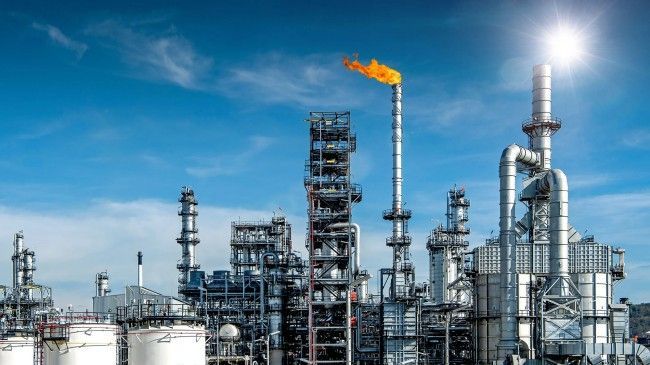
Oil refinery equipment refers to the industrial machines, systems, and instruments used to transform crude oil into usable products such as fuels, lubricants, and chemical feedstocks. Crude oil, in its natural form, contains a complex mix of hydrocarbons that cannot be used directly. Refinery equipment exists to separate, convert, and purify these hydrocarbons through controlled physical and chemical processes.
At a basic level, refineries operate like large, continuous processing plants. Equipment is arranged in stages so that crude oil enters the system, undergoes heating, separation, conversion, and treatment, and exits as multiple refined outputs. Each piece of equipment has a defined role, and the entire system must work together with high precision to maintain safety, efficiency, and reliability.
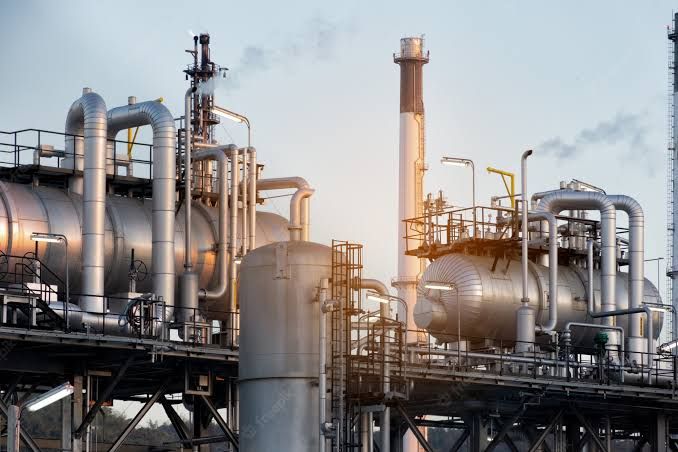
Oil refinery equipment has evolved alongside industrial growth, energy demand, and advances in chemical engineering. Modern designs focus on process optimization, energy efficiency, emissions control, and operational monitoring, making equipment design as important as the refining chemistry itself.
Importance: Why Oil Refinery Equipment Matters Today
Oil refinery equipment is essential because it enables the conversion of crude oil into usable products such as fuels, chemicals, and industrial materials. These systems support transportation, manufacturing, and energy production worldwide.
Why it matters:
-
Energy reliability
Ensures continuous production of fuels for vehicles, aviation, and power generation -
Industrial support
Provides raw materials for plastics, textiles, and pharmaceuticals -
Process safety
Maintains controlled conditions for pressure, temperature, and flow -
Environmental protection
Reduces emissions and waste through optimized processes -
Operational efficiency
Minimizes energy loss and improves output consistency
Who it impacts:
- Engineers and plant operators
- Policymakers and environmental specialists
- Industrial manufacturers
- Consumers relying on fuel and products
Without reliable refinery equipment, oil processing would be inefficient, unsafe, and environmentally damaging.
Recent Updates: Trends and Developments
Oil refinery equipment has evolved with a focus on automation, efficiency, and sustainability.
Key developments include:
-
Advanced sensors and automation
Real-time monitoring of temperature, pressure, and flow -
Energy recovery systems
Heat exchangers reuse waste heat to improve efficiency -
Corrosion-resistant materials
Extend equipment life in harsh environments -
Digital twins and predictive maintenance
Simulate performance and predict failures before they occur
These innovations improve stability, reduce downtime, and enhance long-term performance.
Laws or Policies: Regulatory Influence
Oil refinery equipment is governed by global safety, environmental, and operational standards.
Key frameworks include:
- Standards from organizations like the American Petroleum Institute (API)
- Guidelines from the International Organization for Standardization (ISO)
- Environmental recommendations aligned with global sustainability goals
Common regulatory focus areas:
- Risk management and safety protocols
- Emission control and environmental compliance
- Use of certified materials and pressure-rated components
- Regular inspection and documentation
These policies ensure safe, reliable, and responsible refinery operations.
Tools and Resources: Supporting Systems
Various technical tools help engineers design, monitor, and maintain refinery equipment.
Key tools include:
- Process simulation software for refinery modeling
- Equipment sizing calculators
- Condition monitoring systems (vibration, temperature)
- Engineering databases for materials and design codes
- Technical standards and reference libraries
These tools improve efficiency, safety, and compliance in refinery operations.
Core Types of Oil Refinery Equipment
Understanding major equipment categories helps explain refinery processes:
- Distillation columns – Separate crude oil into fractions
- Heat exchangers – Transfer and reuse heat energy
- Reactors – Perform chemical conversion processes
- Pumps and compressors – Move fluids and gases
- Separation vessels – Remove impurities
- Instrumentation systems – Monitor and control operations
Equipment Function Overview
| Equipment Type | Primary Function | Key Feature |
|---|---|---|
| Distillation Column | Fraction separation | Controlled temperature levels |
| Heat Exchanger | Energy transfer | High thermal efficiency |
| Reactor | Chemical conversion | Catalyst-based reactions |
| Pump | Fluid movement | Flow and pressure control |
| Compressor | Gas compression | Volume regulation |
Process Flow Insight
| Stage | Equipment Involved | Outcome |
|---|---|---|
| Feed Preparation | Pumps, heaters | Stable crude input |
| Separation | Distillation units | Multiple fractions |
| Conversion | Reactors | Enhanced product quality |
| Treatment | Filters, separators | Reduced impurities |
| Storage Transfer | Pumps, valves | Safe product handling |
FAQs: Common Questions Answered
What is the most important equipment in a refinery?
Distillation columns are central because they perform the initial separation of crude oil.
How does refinery equipment improve safety?
Through automated controls, pressure-rated designs, and continuous monitoring systems.
Why are heat exchangers critical?
They reuse heat within the system, reducing energy consumption and improving efficiency.
How is equipment monitored?
Using instrumentation systems that track temperature, pressure, and flow in real time.
What causes equipment wear?
High temperatures, pressure cycles, and corrosive substances over time.
Conclusion
Oil refinery equipment forms the backbone of global energy and industrial systems.
From distillation to final processing, each component plays a vital role in converting crude oil into essential products. With advancements in automation, materials, and monitoring technologies, refinery equipment continues to evolve—improving safety, efficiency, and sustainability in modern industrial operations.