Importance: Why Off-Grid Cabin Rentals Matter Today
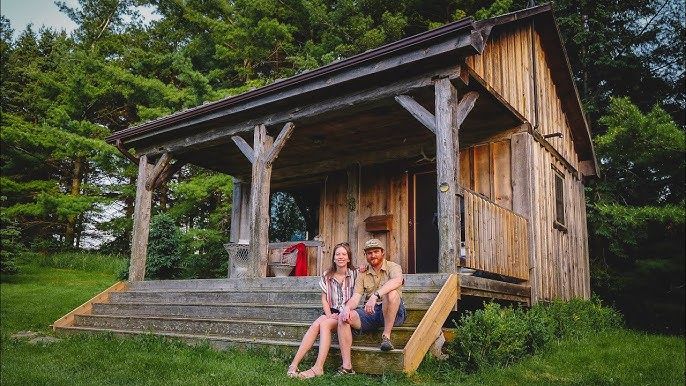
Off-grid cabin rentals are becoming increasingly relevant as people explore sustainable living, flexible lifestyles, and reduced dependence on centralized infrastructure. They offer a practical way to experience self-sufficient systems for energy, water, and waste.
Key reasons this topic matters:
-
Energy independence awareness
Demonstrates use of renewable energy systems like solar power
-
Environmental responsibility
Encourages reduced resource consumption and lower ecological impact
-
Demand for peaceful environments
Provides low-density, quiet spaces away from urban congestion
-
Educational value
Teaches practical skills related to sustainability and self-reliance
-
Support for flexible lifestyles
Useful for remote workers, travelers, and researchers
These cabins help address challenges such as overdependence on urban systems, lack of awareness about resource limits, and environmental strain.
Recent Trends and Developments
Off-grid cabin rentals have evolved with improvements in technology and design.
Key developments include:
-
Efficient solar and battery systems
Compact energy storage with improved power management
-
Advanced insulation materials
Better temperature control and reduced energy loss
-
Satellite-based internet access
Supports communication in remote areas
-
Modular cabin construction
Minimizes land disturbance and supports flexible deployment
-
Resource monitoring tools
Track energy generation, water use, and storage levels
-
Educational stays
Provide hands-on learning about off-grid systems
These trends reflect a growing interest in sustainability, transparency, and practical learning experiences.
Laws or Policies: Regulatory Considerations
Off-grid cabins are governed by land-use, environmental, and building regulations.
Common regulatory areas:
-
Land zoning and usage classifications
-
Environmental impact and conservation requirements
-
Building safety and material standards
-
Water management and waste disposal guidelines
-
Wildlife and forest protection rules
Many regions require permits and compliance checks to ensure minimal ecological disruption and responsible land use.
Tools and Resources: Helpful Support Systems
Various tools and resources help individuals understand and manage off-grid systems effectively.
Useful tools include:
-
Solar energy calculators for estimating power needs
-
Water storage and usage tracking tools
-
Weather and daylight monitoring apps
-
Offline navigation maps
-
Maintenance logs and planning templates
Resource Overview Table
| Tool Type | Purpose | Common Use |
|---|
| Solar Load Calculator | Estimate energy needs | Energy planning |
| Water Balance Sheet | Track usage and storage | Resource management |
| Offline Maps | Navigation without networks | Remote travel |
| Maintenance Logs | Record system checks | Long-term reliability |
These tools support informed decision-making and improve overall system efficiency.
FAQs: Common Questions Answered
What does “off-grid” mean?
It means operating without connection to centralized utilities, using independent systems for power, water, and waste.
Is technical knowledge required?
Basic understanding helps, but most cabins provide instructions and encourage learning through experience.
How is electricity managed?
Typically through renewable sources like solar panels combined with battery storage.
Are off-grid cabins suitable for long stays?
Yes, if energy and water use are managed carefully.
How is waste handled?
Through eco-friendly systems such as composting toilets or controlled disposal methods.
Comparison: Off-Grid vs Grid-Connected Cabins
| Aspect | Off-Grid Cabin | Grid-Connected Cabin |
|---|
| Power Source | Renewable, independent | Central utility network |
| Water Supply | Stored or collected | Municipal supply |
| Resource Awareness | High | Moderate |
| Environmental Impact | Typically lower | Varies |
Conclusion
Off-grid cabin rentals represent a practical approach to sustainable and independent living.
They combine environmental awareness, technological innovation, and lifestyle flexibility to offer meaningful alternatives to traditional accommodation. By understanding how they operate and the tools involved, individuals gain valuable insight into resource management and responsible land use in today’s evolving world.