Experience-Led Retail Concepts: Guide to Store Design and Practical Insights
Experience-led retail concepts are store approaches designed around the overall shopper experience rather than product display alone. The physical environment, layout, lighting, technology, product presentation, staff interaction, and digital features work together to create a connected journey through the store.
A traditional store may focus mainly on arranging products so that visitors can locate them. An experience-led concept adds elements such as demonstrations, interactive displays, fitting areas, discovery zones, workshops, digital screens, personalization tools, or spaces for community activities.
The idea developed as shopping became increasingly connected across physical and digital channels. Online platforms made product information and comparison easier, while physical stores provided something digital channels could not fully reproduce: direct interaction with products, spaces, people, and brand environments.
How Experience-Led Retail Concepts Work
An experience-led store normally begins with a defined shopper journey. Designers consider what a visitor sees when entering, where attention is directed, how products are discovered, where people pause, how information is provided, and how the journey continues after leaving the store.
The process can include several stages:
Audience research: Designers identify visitor expectations, shopping patterns, accessibility requirements, and reasons for visiting.
Store planning: The floor plan is arranged around movement, product discovery, interaction, waiting areas, and operational requirements.
Sensory design: Lighting, sound, materials, color, temperature, and visual elements influence the atmosphere.
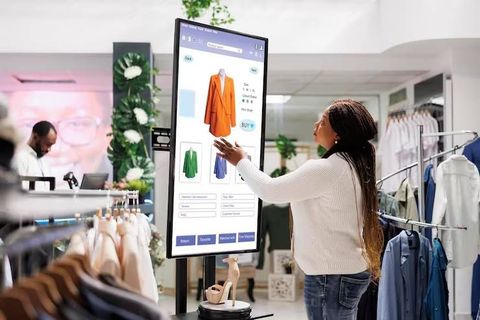
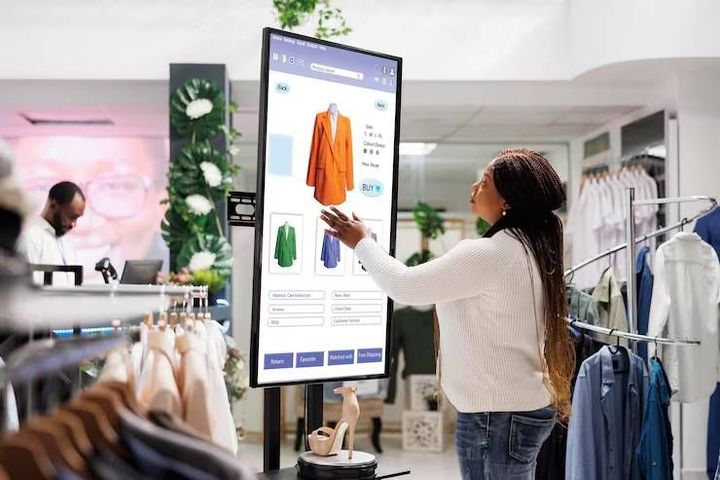
Product interaction: Demonstration tables, sample areas, fitting rooms, testing zones, and interactive displays allow visitors to understand products physically.
Digital integration: Screens, mobile applications, QR codes, RFID, augmented reality, and other technologies can connect physical and digital information.
Measurement: Retail teams can evaluate traffic patterns, dwell time, product interaction, conversion, and visitor feedback.
A simple example is an electronics store with separate zones for testing devices rather than displaying every item behind a counter. Visitors can compare products, read digital specifications, watch demonstrations, and then continue their journey through the store.
Main Types of Experience-Led Retail Concepts
Experience-led retail can take different forms depending on the product category and purpose.
Discovery stores emphasize exploration through themed displays, demonstrations, and changing product collections. Demonstration stores place greater attention on testing and learning. Community-focused stores may include workshops, events, or social spaces. Flagship environments generally use larger physical spaces to communicate a particular identity through architecture and interactive elements.
Hybrid stores combine physical shopping with digital functions such as online ordering, mobile inventory information, digital payment, appointment scheduling, and personalized content.
Importance
Why Experience-Led Retail Concepts Matter
Physical stores remain an important part of modern retail even as online shopping expands. The National Retail Federation reported in 2025 that stores were increasingly being used for engagement, fulfillment, delivery, inventory management, and experiential retail rather than functioning only as product locations.
Experience-led retail concepts can therefore give physical locations multiple functions. A store may act as a product discovery environment, demonstration space, pickup location, community venue, and connection between online and offline shopping.
Store Design Elements
Store design is one of the main components of an experience-led concept. Important elements include:
Layout: Clear pathways can make navigation easier while creating deliberate areas for discovery and interaction.
Lighting: Different lighting levels can help distinguish product displays, demonstration areas, entrances, and quiet spaces.
Signage: Simple signs and visual cues help visitors understand where products, facilities, and activities are located.
Materials: Flooring, walls, furniture, textures, and fixtures contribute to the physical character of the environment.
Display systems: Modular displays allow product arrangements to change as collections, campaigns, or seasonal themes change.
Interaction zones: Dedicated areas can allow visitors to test, compare, configure, or learn about products.
Accessibility: Entrances, pathways, counters, seating, signs, and digital interfaces should account for people with different physical and sensory requirements.
Technology in Experience-Led Stores
Technology can connect physical spaces with digital information. Deloitte's research on retail technology describes applications involving computer vision, machine learning, connected sensors, RFID, digital integration, robotics, mixed reality, 5G, and edge computing.
RFID, or radio-frequency identification, uses electronic tags and readers to identify items without requiring each product to be manually scanned. It can help store teams understand inventory locations and availability, which can support faster product discovery.
Artificial intelligence can also analyze store data, product information, demand patterns, and customer interactions. However, technology needs appropriate data governance, privacy controls, network infrastructure, and human oversight.
Comparing Experience-Led Store Elements
| Element | Main Function | Typical Technology | Practical Consideration |
|---|---|---|---|
| Interactive display | Product exploration | Touchscreens, sensors | Keep controls simple |
| Demonstration zone | Physical testing | Connected devices | Provide adequate space |
| Smart inventory | Product visibility | RFID, scanners | Maintain accurate data |
| Digital signage | Information and navigation | Displays, content systems | Keep information readable |
| Mobile integration | Connect online and physical journeys | Apps, QR codes | Consider accessibility |
| Immersive area | Product visualization | AR, VR, projection | Match technology to purpose |
| Community space | Events and learning | Booking and display systems | Allow flexible layouts |
Challenges and Limitations
Experience-led retail concepts can involve complex planning. A visually impressive store may not work well if visitors cannot navigate it easily or if technology interrupts rather than supports the shopping journey.
Other challenges include changing technology requirements, data privacy, maintenance, accessibility, staff training, energy consumption, and the need to update digital content. Physical layouts also need to balance visitor experience with storage, inventory movement, security, cleaning, and operational requirements.
Recent Updates
AI and Personalized Experiences
AI has become an increasingly visible part of retail technology. The National Retail Federation's 2025 research on retail AI examined how U.S. retailers were approaching AI investment, strategy, risk, and implementation.
In physical stores, AI can support product discovery, demand forecasting, content personalization, computer vision, inventory analysis, and employee workflows. These applications are still developing, and their usefulness depends on data quality, system integration, privacy controls, and implementation design.
Connected Physical and Digital Shopping
The distinction between physical and digital retail continues to become less clear. NRF research in 2025 described consumers as moving between channels during discovery and shopping rather than following one fixed path.
This has encouraged retailers to connect websites, mobile applications, inventory systems, digital displays, loyalty platforms, and physical stores. A visitor might discover a product online, examine it in a physical location, use a digital tool for additional information, and complete the transaction through another channel.
RFID, Computer Vision, and Smart Sensors
RFID and computer vision are being used in retail environments to improve inventory visibility and understand movement within stores. Deloitte identified connected sensors, RFID, Bluetooth tags, and computer vision as technologies that can influence inventory management and physical retail operations.
These systems can also support more responsive store layouts. For example, traffic information can help identify areas that receive little or heavy visitor activity, while inventory information can help staff locate products more efficiently.
Emerging AI-Assisted Shopping
In January 2026, NRF and IBM published global consumer research examining AI-assisted shopping and the development of agentic commerce, where AI systems can perform multiple shopping-related tasks on a person's behalf. The research surveyed 18,000 consumers globally and also included retail and consumer-product leaders.
For physical stores, this development may increase the importance of connected product data, accurate inventory information, digital identity, and consistent information across channels. The longer-term impact remains developing rather than established.
Laws or Policies
Consumer Privacy
Experience-led stores can collect information through cameras, loyalty programs, mobile applications, Wi-Fi systems, sensors, RFID infrastructure, and digital interactions. Privacy requirements therefore depend on the type of data collected, how it is processed, and where the store operates.
The European Union's General Data Protection Regulation can apply to organizations processing personal data within its scope. In the United States, privacy requirements vary by federal, state, and sector-specific rules. Other countries have their own data-protection frameworks.
Retailers should therefore identify applicable requirements before deploying technologies that collect or analyze personal information.
Accessibility Requirements
Physical stores may also be subject to national or regional accessibility requirements. In the United States, the Americans with Disabilities Act establishes requirements for accessible public accommodations in many circumstances. The European Accessibility Act establishes accessibility requirements for specified products and digital services within its scope.
Requirements vary by jurisdiction and by the type of building, technology, or retail activity. Store planning may need to consider entrances, pathways, counters, restrooms, signage, digital interfaces, and communication methods.
Consumer and Payment Regulations
Retail environments can also be affected by consumer-protection, product-safety, payment, advertising, building, fire-safety, and employment rules. These requirements differ across jurisdictions.
Technology such as facial recognition, biometric identification, cameras, automated checkout, and personalized digital content can introduce additional legal considerations. Local legal and regulatory review is important before deployment.
Tools and Resources
Store Planning Software
Computer-aided design and 3D modeling software can help designers create floor plans and visualize fixtures, pathways, lighting, and customer movement before physical construction begins.
Space-planning tools can also help evaluate aisle widths, product placement, storage areas, checkout positions, and accessibility requirements.
Customer Journey Mapping
Journey-mapping tools help teams document the stages a visitor may experience from arrival through product discovery and departure. Maps can identify confusing areas, unnecessary waiting, missing information, and opportunities for interaction.
Analytics Platforms
Retail analytics platforms can combine information from point-of-sale systems, inventory platforms, sensors, digital displays, and customer-feedback tools. The resulting data can help teams understand traffic patterns, product interaction, inventory availability, and store performance.
RFID and Inventory Systems
RFID readers, tags, handheld scanners, and inventory software can provide information about product location and movement. These systems are particularly useful where large product ranges make manual inventory checking difficult.
Digital and Immersive Tools
QR codes, interactive screens, augmented reality, virtual reality, projection systems, and mobile applications can provide additional product information or demonstrations. Their role should match the purpose of the store rather than being included only because the technology is available.
FAQs
What are experience-led retail concepts?
Experience-led retail concepts are store approaches that place emphasis on the complete visitor journey, including layout, product interaction, technology, atmosphere, information, and physical environment.
How does store design support experience-led retail concepts?
Store design supports experience-led retail concepts through planned layouts, lighting, signage, materials, display systems, interaction zones, accessibility features, and connections between physical and digital channels.
What technology is used in experience-led retail concepts?
Common technologies include RFID, computer vision, AI, digital signage, interactive displays, mobile applications, augmented reality, sensors, analytics platforms, and connected inventory systems.
Why are physical stores still important in modern retail?
Physical stores allow visitors to interact directly with products and spaces. They can also support discovery, demonstrations, fulfillment, inventory management, community activities, and connections with digital shopping channels.
What are the main challenges of experience-led retail concepts?
Common challenges include technology integration, privacy, accessibility, maintenance, data accuracy, changing customer expectations, energy use, staff training, and balancing visitor experience with practical store operations.
Conclusion
Experience-led retail concepts combine store design, product interaction, technology, and physical environments around the visitor journey. Modern stores increasingly connect digital systems with physical spaces through AI, RFID, sensors, analytics, immersive tools, and integrated inventory platforms. Recent developments from 2024–2026 show continued movement toward connected and data-supported retail environments, although implementation requirements vary by market and technology. Effective store planning therefore requires attention to usability, accessibility, privacy, operational needs, and the intended role of the physical location.