Drying Equipment Explained: A Complete Resource with Expert Advice, Information, and Useful Details
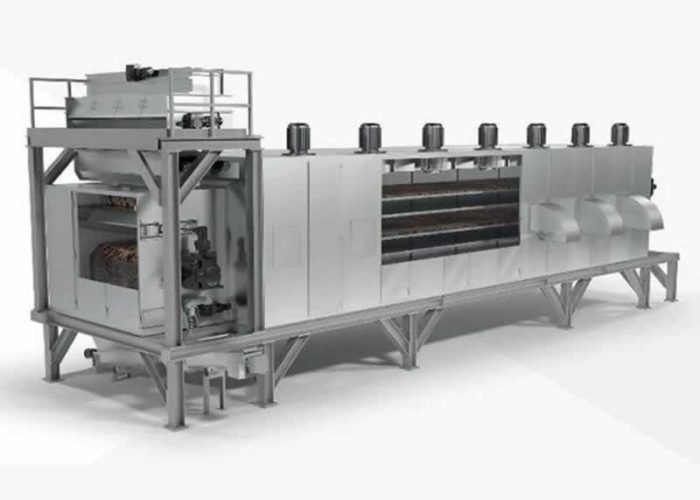
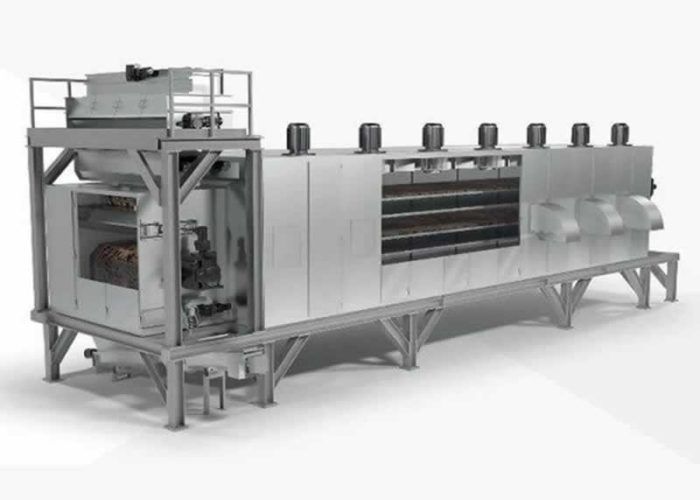
Drying equipment refers to machinery designed to remove moisture from materials, products, or substances through controlled processes such as heat transfer, air circulation, or mechanical action. It exists because moisture control is essential in manufacturing, agriculture, food processing, pharmaceuticals, chemicals, textiles, construction materials, and environmental management.
The purpose of drying systems is not simply to eliminate water but to achieve consistent quality, improve stability, prevent contamination, and ensure materials perform as expected. Many industries rely on accurate moisture reduction for safe handling, packaging, and storage. As materials have evolved and production technologies advanced, drying equipment has undergone significant improvements to deliver better precision, safety, and energy efficiency.
Moisture removal has been a fundamental industrial operation for decades, but modern applications now require higher reliability, controlled conditions, and adaptable systems. This shift has pushed innovation in thermal drying, freeze drying, vacuum drying, spray drying, fluidized bed drying, and solar-assisted drying.
Why Drying Equipment Matters Today
Drying equipment plays an essential role in multiple sectors that depend on controlled moisture reduction for performance, stability, and durability.
Industries that rely heavily on drying systems include:
Agriculture and grain processing
Pharmaceuticals and biotechnology
Food and beverage production
Chemical manufacturing
Construction materials
Minerals and mining
Paper and textiles
Waste management and environmental operations
These systems help solve several practical challenges:
Product quality and uniformity: Controlled drying prevents spoilage, microbial growth, clumping, and degradation.
Material safety: Many products must meet specific moisture thresholds for safe handling and compliance.
Storage and transportation: Reduced moisture increases shelf life, minimizes losses, and maintains structural integrity.
Operational efficiency: Efficient moisture removal helps industries maintain continuous production and reduce downtime.
Environmental compliance: Many drying systems support eco-friendly processes that reduce emissions and improve energy management.
Modern industries depend on moisture optimization for reliability, stability, and long-term performance, making drying equipment an essential part of today’s production and processing ecosystem.
Recent Updates and Trends
Several trends have shaped the drying equipment landscape over the past year, driven by technology development, sustainability goals, and new material requirements.
Energy-efficient technologies (2024–2025):
Manufacturers have advanced systems that use heat recovery, smart airflow control, and optimized thermal distribution. Many new models launched in early 2025 highlight reduced energy demand and improved thermal uniformity.
Automation and remote monitoring (2024–2025):
Digital tools and industrial IoT technologies are being integrated to monitor moisture levels, control temperature, and track performance in real time. Automated sensors introduced in mid-2024 have improved consistency across industries.
Growth of vacuum and freeze-drying applications (2024–2025):
Demand for sensitive product handling, especially in pharmaceuticals and biotechnology, has resulted in an increased use of low-temperature drying solutions. Reports throughout 2024 show rising adoption in nutraceuticals and advanced materials.
Focus on sustainability:
Environmental standards introduced during late 2024 encouraged industries to adopt cleaner, low-emission drying systems. This has prompted wider interest in solar-assisted drying, hybrid systems, and improved insulation technologies.
Material-specific innovations:
Food processing industries have incorporated new spray-drying nozzles and fluidized bed technologies launched in early 2025 to achieve better texture, uniformity, and moisture distribution.
These trends highlight a shift toward cleaner, smarter, and more energy-conscious drying solutions.
Laws, Policies, and Regulatory Considerations
Drying equipment is influenced by rules that focus on safety, energy use, environmental standards, and product quality. Regulations vary by country, but the following themes are widely observed:
Safety and Operational Standards:
Many countries follow industrial machinery safety standards that address thermal exposure, airflow design, ventilation, protective enclosures, and emergency controls.
Environmental and Emission Guidelines:
Regulations often limit heat loss, particulate emissions, and energy waste. Environmental authorities may require thermal efficiency benchmarks or guidelines on air handling.
Food and Pharmaceutical Compliance:
In sectors involving food, beverages, nutraceuticals, and pharmaceuticals, drying processes must follow national hygiene and contamination-prevention standards. These ensure controlled moisture levels, controlled airflow, and accurate temperature regulation.
Industrial Energy Use Policies:
Policies introduced in 2024 across multiple regions emphasized reduced energy consumption, promoting the adoption of efficient heat-exchange systems, better insulation, and smart control mechanisms.
Material-Specific Requirements:
Certain construction materials, chemicals, and agricultural goods must meet moisture regulations before storage or transport. Drying equipment supports compliance by ensuring accurate and consistent moisture reduction.
Regulatory frameworks ensure that drying systems are safe, environmentally responsible, and aligned with industry quality needs.
Tools and Resources
Several tools and resources can support professionals, students, researchers, and operators involved in drying processes. These resources help improve planning, design, analysis, and knowledge development.
Moisture Measurement Tools:
Digital moisture meters
Infrared moisture analyzers
Capacitive and resistance-based sensors
Online moisture monitoring software
Process Optimization Tools:
Thermal efficiency calculators
Airflow modeling tools
Drying curve analysis templates
Heat-transfer simulation programs
Knowledge Resources and Reference Materials:
Engineering handbooks on drying technology
Material behavior databases
Safety guideline documents
Technical articles on heat and mass transfer
Planning and Documentation Tools:
Log sheets for monitoring temperature and humidity
Moisture tracking templates
Equipment maintenance checklists
Industry-specific compliance guidelines
These resources help ensure accurate measurements, better efficiency, and informed decision-making in various drying operations.
Sample Table: Types of Drying Methods and Their Key Features
| Drying Method | Temperature Range | Suitable Materials | Key Characteristics |
|---|---|---|---|
| Hot Air Drying | Medium to High | Grains, food, textiles | Simple, widely used, consistent airflow |
| Spray Drying | High | Liquids, dairy, chemicals | Rapid moisture removal, fine powder output |
| Vacuum Drying | Low | Heat-sensitive materials | Gentle drying, controlled environment |
| Freeze Drying | Very Low | Pharmaceuticals, biological materials | Preserves structure, high stability |
| Fluidized Bed Drying | Medium | Granular materials | Uniform drying, high efficiency |
Frequently Asked Questions
What is the main purpose of drying equipment?
The purpose of drying equipment is to remove moisture from materials in a controlled manner. This ensures product stability, prevents microbial growth, improves shelf life, and prepares materials for storage, processing, or packaging.
Which industries benefit the most from drying systems?
Industries such as agriculture, food processing, pharmaceuticals, chemicals, construction materials, and textiles depend heavily on drying systems because moisture control is essential for quality, safety, and durability.
What factors determine the type of drying equipment used?
The choice depends on material characteristics, moisture content, temperature sensitivity, production scale, airflow requirements, and desired final moisture level. Each industry may require specific drying methods for accuracy and uniformity.
How is drying performance monitored?
Performance is monitored using moisture analyzers, temperature sensors, airflow indicators, and digital data-logging tools. Many modern systems include automated monitoring for consistent results.
Why is energy efficiency becoming important in drying equipment?
Energy consumption is a major concern because thermal processes require significant power. Recent trends emphasize reducing heat loss, improving insulation, and using recovery systems to support sustainability goals and environmental guidelines.
Conclusion
Drying equipment remains a critical element across numerous industries that depend on precise moisture control for quality, safety, and material performance. As technology advances, the field continues to adopt more efficient, automated, and environmentally conscious solutions. Recent trends highlight the growing importance of energy-efficient systems, digital monitoring, and material-specific drying approaches.
Understanding how drying equipment works, the types available, regulatory influences, and the tools that support drying operations helps professionals make informed decisions and maintain reliable, stable processes. Whether used in food production, agriculture, pharmaceuticals, chemicals, construction, or environmental operations, effective moisture management is essential for modern industrial practices.