Discover Night Sky Stargazing Camps: Overview, Insights, and Learning Tips
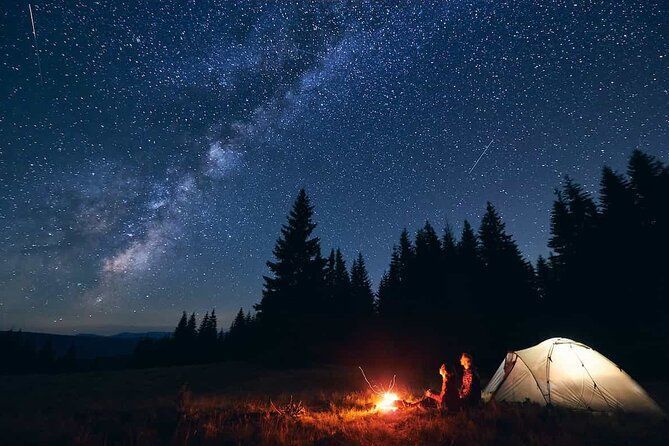
Night sky stargazing camps are organized outdoor learning experiences focused on observing celestial objects such as stars, planets, constellations, and deep-sky phenomena. These camps typically take place in dark sky locations with minimal light pollution, allowing clearer views of the cosmos. The idea behind stargazing camps exists to reconnect people with the natural night sky, support astronomy education, and provide structured guidance for observing space using the naked eye, binoculars, or telescopes.
Stargazing camps combine basic astronomy knowledge with hands-on observation. Participants often learn how to identify star patterns, understand lunar phases, track planetary movement, and use star maps. Some camps also include astrophotography basics, night sky navigation, and discussions about space science. The environment is intentionally calm and observational, encouraging curiosity and learning rather than entertainment-driven experiences.
Importance: Why Stargazing Camps Matter Today
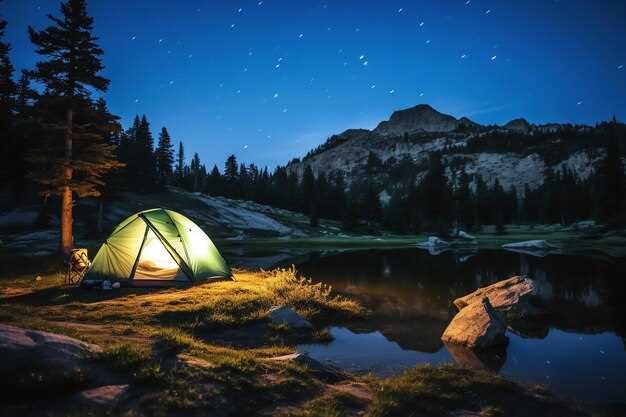
Night sky stargazing camps matter because access to dark skies is becoming increasingly limited due to urban lighting and environmental changes. Many people grow up without ever seeing the Milky Way or understanding how the night sky changes across seasons. These camps help address that gap by offering guided learning in suitable natural settings.
This topic affects students, educators, families, researchers, and nature enthusiasts. Stargazing camps support scientific literacy by introducing astronomy concepts in a practical way. They also encourage environmental awareness by highlighting the impact of light pollution on ecosystems and human health.
Key problems this topic helps address include:
-
Limited public exposure to astronomy education
-
Declining visibility of natural night skies
-
Lack of practical learning environments for space science
-
Reduced awareness of light pollution impacts
By combining observation with explanation, stargazing camps make complex space concepts easier to understand for a general audience.
Recent Updates: Trends and Developments
In recent months, night sky stargazing camps have shown noticeable shifts in focus and structure. Educational programs have increasingly emphasized dark sky conservation and responsible nighttime lighting. Many camps now include learning modules on how artificial light affects wildlife and astronomical observation.
Another trend involves the use of digital tools during observation sessions. Mobile star-mapping applications and compact digital telescopes are more commonly integrated into learning activities. This allows participants to compare traditional sky navigation with modern technology-assisted observation.
There has also been growth in beginner-friendly astrophotography sessions. Instead of advanced setups, camps now often demonstrate simple techniques using basic camera equipment, making the learning process more accessible.
Laws or Policies: Regulatory Influence on Stargazing Activities
Night sky stargazing camps are indirectly influenced by environmental and land-use regulations. Protected natural areas often have guidelines related to nighttime activity, noise control, and artificial lighting. These rules help preserve dark sky conditions and protect local wildlife.
Some regions promote dark sky preservation through lighting standards that limit brightness and glare. Such policies support stargazing activities by maintaining suitable observation conditions. Astronomy education initiatives are sometimes included within broader science outreach or environmental awareness programs, helping normalize stargazing as an educational activity rather than a recreational event.
Tools and Resources: Helpful Learning Aids
Several tools and resources support learning at night sky stargazing camps. These are commonly used for educational and observational purposes:
-
Star charts and sky maps for identifying constellations
-
Mobile astronomy applications for real-time sky tracking
-
Beginner telescopes and binoculars for lunar and planetary viewing
-
Red-light torches to preserve night vision
-
Astrophotography guides explaining camera settings and sky alignment
Below is a simple comparison table of commonly used observation tools:
| Tool Type | Purpose | Skill Level |
|---|---|---|
| Star Map | Constellation identification | Beginner |
| Binoculars | Wide-field sky viewing | Beginner |
| Telescope | Planetary and deep-sky study | Intermediate |
| Sky App | Digital navigation support | Beginner |
| Camera Setup | Night sky imaging basics | Intermediate |
These resources help learners gradually build confidence and understanding during observation sessions.
FAQs: Common Questions Answered
What can beginners learn at a stargazing camp?
Beginners typically learn how to identify major constellations, understand basic celestial movements, and use simple observation tools.
Do stargazing camps require prior astronomy knowledge?
Most camps are designed for general audiences and start with foundational explanations before moving to observation.
Why are dark sky locations important?
Dark sky locations reduce light pollution, allowing clearer visibility of stars, planets, and faint celestial objects.
Are stargazing camps suitable for students?
Yes, many camps focus on educational learning and are suitable for students interested in space science and astronomy.
What type of weather is best for stargazing?
Clear skies with low humidity provide the best conditions for night sky observation.
Conclusion: Learning Under the Night Sky
Night sky stargazing camps play an important role in astronomy education and environmental awareness. By offering guided observation in dark sky environments, they help people understand celestial science in a direct and meaningful way. These camps bridge the gap between theoretical knowledge and real-world experience, making astronomy approachable for a wide audience.
As interest in space science and environmental preservation continues to grow, stargazing camps remain valuable learning spaces. They encourage curiosity, scientific thinking, and respect for the natural night sky—qualities that support long-term understanding of our place in the universe.