Digital Power Systems: A Guide to Modern Energy Management
Digital power systems use digital technologies to monitor, manage, distribute, and analyze electrical energy.
These systems combine sensors, communication networks, software, controllers, meters, and data platforms to provide information about how electricity moves through buildings, factories, infrastructure, and utility networks. Digital power systems have developed from traditional electrical monitoring and control methods as organizations have gained access to more connected equipment and real-time data.
Traditional electrical systems mainly depended on physical meters, switches, protective devices, and manual inspections. Modern digital power management systems add electronic measurement and software-based analysis to this foundation. Information collected from electrical equipment can be transmitted to a central platform, where users can review voltage, current, power demand, energy consumption, and other operating conditions.
Digital power system software provides the interface for collecting and interpreting this information. Depending on the system, it can display dashboards, generate reports, identify unusual readings, and organize information from multiple electrical assets.
Main Components of Digital Power Systems
A digital power environment normally includes several connected elements. Digital meters measure electrical characteristics, while sensors and monitoring devices collect information from equipment and distribution points. Communication networks transfer this information to monitoring platforms or control systems.
Common components include:
- Digital meters for measuring electrical parameters.
- Sensors for collecting equipment and environmental information.
- Controllers for managing predefined electrical operations.
- Communication networks for transferring measurement data.
- Monitoring software for displaying and analyzing information.
- Data storage systems for historical records and reporting.
Digital electrical power systems can therefore function as a connected layer around conventional electrical infrastructure. Their role is generally to make electrical information easier to observe and analyze.
From Monitoring to Energy Management
Early digital monitoring systems mainly focused on displaying measurements. As software capabilities expanded, digital energy management systems began combining monitoring with historical analysis, alerts, reporting, and operational planning.
Smart power management systems can use information from multiple devices to provide a broader view of electricity use. In larger facilities, industrial power management systems may connect production equipment, electrical distribution panels, generators, meters, and other assets within a common monitoring environment.
Importance
Electricity is used across homes, commercial buildings, manufacturing facilities, transportation infrastructure, data centers, and public infrastructure. Changes in demand, equipment conditions, and power quality can affect how electrical systems operate. Digital monitoring provides information that can help users understand these conditions.
Digital power monitoring systems can show electrical measurements over time rather than relying only on occasional manual readings. This can make it easier to identify changes in consumption patterns or recognize unusual measurements that require further examination.
Managing Energy Information
Digital energy management systems organize electrical information so that users can compare different periods, locations, or equipment groups. This can be useful when a facility contains many electrical loads operating at different times.
Industrial energy monitoring systems can also connect energy information with production or operating schedules. This helps create a more detailed picture of how electricity is being used across an industrial environment.
Monitoring Power Quality
Power quality monitoring systems focus on characteristics such as voltage variation, frequency, harmonics, interruptions, and other electrical conditions. Poor power quality can affect sensitive equipment and may contribute to operational problems in some electrical environments.
Monitoring equipment does not automatically resolve an electrical issue. Instead, it provides measurements that can help qualified personnel investigate conditions and determine whether corrective work is required.
Supporting Electrical Distribution
Digital power distribution systems can monitor electricity as it moves through different parts of a facility or network. Measurements may be collected at incoming supplies, distribution boards, transformers, feeders, and individual equipment groups.
Industrial power monitoring equipment can provide information from these locations and transmit it to centralized platforms. This approach can be particularly useful where many electrical assets need to be observed from a common interface.
| System Area | Information Commonly Monitored | Typical Purpose |
|---|---|---|
| Electrical supply | Voltage, current, frequency | Observe incoming conditions |
| Distribution | Load, power, energy | Understand electrical flows |
| Equipment | Current, operating status | Track equipment conditions |
| Power quality | Harmonics, voltage variation | Examine electrical disturbances |
| Energy use | Consumption over time | Analyze usage patterns |
| Grid connection | Demand and electrical conditions | Support network monitoring |
Challenges to Consider
Digital power systems also introduce technical and organizational considerations. Different devices may use different communication protocols, data formats, or software environments. Integration can therefore require careful planning.
Cybersecurity is another consideration because connected electrical systems can exchange information through networks. Access controls, secure communication, software maintenance, system segmentation, and monitoring can form part of a broader security approach.
Recent Updates
From 2024 through 2026, digital power management has increasingly been connected with distributed energy resources, smart grids, artificial intelligence, cloud platforms, and connected industrial equipment. The general direction is toward more continuous measurement and greater use of data for understanding electrical conditions.
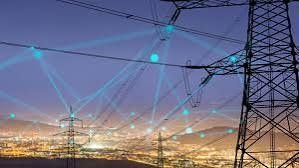
Smart grid power management is one area receiving increased attention as electricity networks incorporate more distributed generation, battery storage, electric vehicles, and flexible loads. Digital technologies can help coordinate information from these different parts of an electrical network.
Artificial Intelligence and Data Analysis
Intelligent power management systems increasingly use advanced data analysis to identify patterns in electrical measurements. AI-based systems can examine large datasets and help classify unusual conditions, forecast demand patterns, or identify relationships between different measurements.
AI does not eliminate the need for engineering assessment. Electrical measurements can have many possible causes, and automated analysis may require validation before a significant operational decision is made.
Advanced Monitoring
Advanced power monitoring systems are expanding beyond basic electricity measurement. Modern platforms can combine energy data, power quality measurements, equipment status, alarms, and historical records.
Advanced industrial power monitoring systems may connect multiple facilities or production areas to a common information environment. This can support comparisons across locations and provide a consistent way to review electrical performance.
Digital Energy Management and Grid Integration
Advanced energy management software can bring together information from meters, electrical equipment, renewable generation, storage systems, and other energy assets. The software may provide dashboards, reports, alerts, and analytical functions.
Intelligent digital power management systems are also being developed around more flexible electrical networks. These systems can support greater visibility into changing electricity flows as generation and consumption become more distributed.
Tools and Resources
Several categories of tools can help people understand, plan, or analyze digital power systems. The appropriate resource depends on whether the focus is education, electrical design, monitoring, energy analysis, or industrial operations.
Calculation and Analysis Tools
Electrical calculators can help users work with concepts such as voltage, current, power, energy, power factor, and electrical load. Energy-use calculators can also estimate consumption based on equipment ratings and operating hours.
Spreadsheet templates can be used to record meter readings and compare energy consumption across different periods. More advanced analysis platforms can process larger datasets collected from digital meters and monitoring equipment.
Monitoring and Management Platforms
Digital power monitoring systems commonly include dashboards that display electrical measurements in numerical or graphical form. Some platforms also provide historical reports, alarm records, equipment status information, and configurable thresholds.
Digital power system software may connect with building management platforms, industrial control environments, or enterprise data systems. The exact capabilities vary according to the equipment, communication protocols, and software architecture.
Educational Resources
Useful learning resources include electrical engineering textbooks, energy-management guides, technical standards, equipment manuals, and educational materials from recognized electrical and energy organizations. These resources can explain subjects such as power quality, electrical safety, energy measurement, grid operation, and digital monitoring.
Templates for energy audits and equipment inventories can also help organize information before a monitoring project is designed. Clear documentation can make it easier to understand which measurements are available and how they relate to specific electrical assets.
FAQs
What are digital power systems?
Digital power systems combine electrical equipment with digital measurement, communication, monitoring, and analysis technologies. They provide information about electricity use, distribution, equipment conditions, and other electrical characteristics.
How do digital power management systems work?
Digital power management systems collect information from meters, sensors, controllers, and other devices. Software then organizes the data into dashboards, reports, alerts, or analytical views that help users understand electrical conditions.
What are digital power monitoring systems used for?
Digital power monitoring systems are used to observe electrical measurements such as voltage, current, power, energy consumption, and frequency. Some systems also monitor power quality and equipment status.
What is the role of smart power management systems?
Smart power management systems combine electrical monitoring with data analysis and automated functions. Depending on their design, they can help organize information about energy consumption, equipment operation, and changing electrical conditions.
What are industrial power management systems?
Industrial power management systems are designed to monitor and manage electrical information across industrial facilities. They may connect meters, distribution equipment, machinery, generators, and other electrical assets within a common monitoring environment.
Conclusion
Digital power systems combine electrical infrastructure with digital measurement, communication, software, and data analysis. They can provide greater visibility into energy consumption, electrical distribution, equipment conditions, and power quality. Recent developments have connected these systems more closely with smart grids, distributed energy resources, AI-based analysis, and industrial monitoring. Their operation depends on suitable equipment, reliable data, appropriate integration, and attention to electrical and cybersecurity considerations.