Crystallization Equipment: An Overview of Industrial Crystallization Systems
Crystallization is a process in which a dissolved substance forms solid crystals under controlled conditions.
It is widely used in chemical processing, food production, mineral processing, and pharmaceutical manufacturing. Crystallization equipment provides the controlled environment needed to separate, purify, or recover solid materials from liquids.
Industrial crystallization equipment can use changes in temperature, concentration, pressure, or solvent conditions to encourage crystal formation. A typical system may include a vessel, heating or cooling components, pumps, agitators, sensors, filtration equipment, and controls. The specific arrangement depends on the material being processed and the desired crystal characteristics.
How Crystallization Works
Crystallization begins when a solution becomes supersaturated, meaning it contains more dissolved material than it can normally retain under particular conditions. This can happen when a solution is cooled, when part of the solvent evaporates, or when another process changes the chemical environment.
Once supersaturation is reached, small solid particles called nuclei can form. These nuclei can then grow as additional molecules or ions move from the liquid phase toward the developing crystals. The rate of nucleation and crystal growth influences properties such as crystal size, shape, purity, and distribution.
Main Types of Crystallization Systems
Different crystallization systems are designed around different operating conditions. Common approaches include cooling crystallization, evaporative crystallization, vacuum crystallization, and continuous crystallization.
Cooling crystallization lowers the temperature of a solution to reduce solubility and encourage crystal formation. Evaporative crystallization systems remove part of the solvent so that the dissolved material becomes more concentrated. Vacuum crystallization equipment uses reduced pressure to lower the boiling point of a liquid, allowing evaporation under controlled thermal conditions.
Industrial crystallizer systems may operate as batch or continuous processes. Batch systems process a defined quantity at a time, while continuous crystallization equipment allows feed material to enter and processed material to leave during operation.
Importance
Crystallization is important because many industrial materials need to be separated from liquids or purified before further processing. The technique can also help recover valuable solid materials from process streams and produce crystals with particular physical characteristics.
Chemical crystallization equipment is used in chemical processing where dissolved compounds need to be recovered or separated. Pharmaceutical crystallization equipment is used in the preparation of solid materials where factors such as purity, particle size, and crystal structure can influence subsequent processing.
Supporting Material Purity
Crystal formation can separate a desired substance from certain impurities because different materials have different solubility characteristics. Careful control of temperature, concentration, mixing, and residence time can influence which material crystallizes and how the crystals develop.
High purity crystallization equipment is generally designed around controlled operating conditions and suitable separation steps. However, purity depends on the material, process design, feed composition, and downstream handling rather than on equipment alone.
Managing Crystal Characteristics
Crystal size and shape can affect filtration, drying, storage, handling, and later processing. Small changes in operating conditions may influence nucleation and crystal growth.
Precision crystallization systems may therefore use sensors and automated controls to monitor variables such as temperature, pressure, concentration, and liquid level. These measurements can help operators maintain defined process conditions.
Industrial and Pharmaceutical Applications
Crystallizer equipment is used across several industries. Typical applications include:
- Chemical processing and compound recovery.
- Pharmaceutical material processing.
- Salt and mineral recovery.
- Food ingredient production.
- Waste-stream concentration and solid recovery.
- Solvent-based separation processes.
- Purification of selected industrial compounds.
The equipment configuration varies according to the physical and chemical properties of the material being processed.
Key System Components
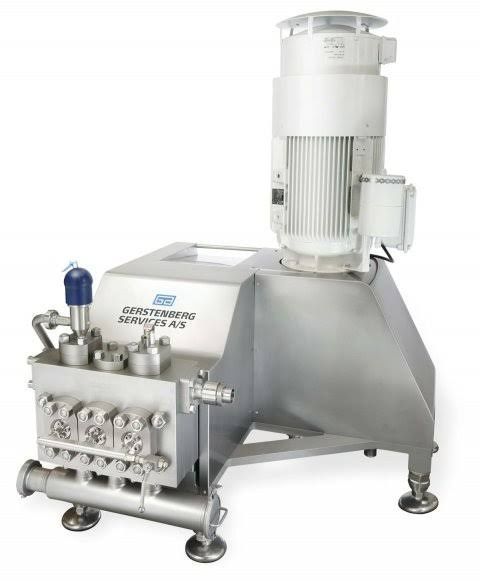
An industrial crystallizer machine may contain several interconnected components. A crystallization vessel provides the main processing area, while agitators help maintain controlled mixing. Heat exchangers or heating and cooling systems regulate thermal conditions.
Sensors can monitor temperature, pressure, liquid level, and other process variables. Pumps, valves, filtration units, centrifuges, and drying equipment may be integrated with the crystallization stage to handle the resulting crystals.
| System Type | Main Operating Principle | Typical Process Characteristic |
|---|---|---|
| Cooling crystallization | Temperature reduction | Solubility decreases during cooling |
| Evaporative crystallization | Solvent removal | Concentration increases through evaporation |
| Vacuum crystallization | Reduced pressure and evaporation | Lower boiling conditions |
| Batch crystallization | Defined processing cycle | Processed in separate batches |
| Continuous crystallization | Continuous feed and discharge | Ongoing material flow |
Recent Updates
From 2024 through 2026, development in crystallization has generally focused on process monitoring, automation, energy management, continuous processing, and improved control of crystal characteristics. These developments reflect broader changes in industrial manufacturing toward greater use of sensors, digital controls, and process data.
Automation and Digital Monitoring
Automated crystallization systems can use sensors, programmable controls, and monitoring software to track operating conditions. Automated chemical crystallization equipment may adjust selected process parameters according to predefined control strategies.
Digital monitoring can also create records of temperature, pressure, concentration, and other variables. This information can help operators understand process behavior and investigate changes in crystal formation.
Continuous Processing
Continuous crystallization equipment has received attention in applications where a steady material flow is appropriate. Unlike batch processing, continuous systems maintain feed and product movement during operation.
Continuous crystallization can involve specialized equipment designed to control residence time, mixing, supersaturation, and crystal growth. The suitability of continuous processing depends on the characteristics of the material and the requirements of the overall process.
Energy and Process Integration
Energy use is another area of attention in modern crystallization systems. Vacuum systems, heat recovery arrangements, improved heat transfer, and process integration can influence the energy requirements of evaporation and cooling.
Advanced industrial crystallization systems may combine several stages to improve control over concentration and crystal formation. The actual energy performance depends on operating conditions, feed properties, equipment design, and surrounding process systems.
Greater Process Control
Modern systems increasingly use sensors and automated controls to monitor changing conditions. This supports more consistent observation of the crystallization process and can help identify deviations from defined operating parameters.
Pharmaceutical crystallization systems may place particular emphasis on controlling crystal properties because changes in particle characteristics can affect subsequent processing. Industrial applications may similarly require control over crystal size, purity, moisture, and form.
Tools and Resources
Several tools can help users understand or plan crystallization processes. Educational resources from engineering institutions, scientific organizations, equipment documentation, and process engineering references provide information about crystallization principles and system design.
Process Calculation Tools
Crystallization calculations can involve solubility, mass balance, heat balance, evaporation rate, supersaturation, and crystal yield. Spreadsheet templates can help organize these calculations and compare different operating assumptions.
Process simulation platforms can also be used to model selected parts of a crystallization process. Such tools generally require appropriate input data, including material properties and operating conditions.
Monitoring and Control Tools
Industrial crystallization equipment can incorporate temperature sensors, pressure sensors, concentration measurement devices, flow meters, and level instruments. Programmable controllers can collect measurements and coordinate equipment according to defined process logic.
For larger systems, process control platforms can display operating conditions through dashboards. Historical process data can help users examine changes in operating conditions and crystal production.
Reference Resources
Useful resources may include:
- Solubility tables and chemical property references.
- Process engineering textbooks and technical manuals.
- Crystallization calculation spreadsheets.
- Equipment operation and maintenance documentation.
- Process simulation software.
- Industrial safety and process-control guidance.
- Scientific publications covering crystal nucleation and growth.
These resources provide background information, calculation methods, and technical context for understanding crystallization systems.
FAQs
What is crystallization equipment?
Crystallization equipment is a collection of vessels, heat-transfer components, controls, sensors, and related equipment used to form or recover crystals from a solution. The configuration depends on the material and operating conditions.
How does industrial crystallization equipment work?
Industrial crystallization equipment creates conditions that cause a dissolved material to become supersaturated and form crystals. Temperature, concentration, pressure, mixing, and residence time can all influence the process.
What are vacuum crystallization equipment and evaporative crystallization systems?
Vacuum crystallization equipment uses reduced pressure to support evaporation at controlled conditions. Evaporative crystallization systems remove solvent from a solution so that the dissolved material becomes concentrated enough for crystals to form.
What is continuous crystallization equipment?
Continuous crystallization equipment is designed for processes in which material enters and leaves the crystallizer during operation. It differs from batch systems, which process a defined quantity during a separate operating cycle.
Where are pharmaceutical crystallization systems used?
Pharmaceutical crystallization systems are used to produce or purify solid materials in pharmaceutical manufacturing. Control of crystal size, shape, purity, and other physical characteristics can be important for subsequent processing.
Conclusion
Crystallization equipment provides controlled conditions for forming, recovering, or purifying crystals from solutions. Industrial crystallization systems can use cooling, evaporation, vacuum conditions, batch processing, or continuous processing depending on process requirements. Recent developments have emphasized automation, digital monitoring, continuous operation, energy management, and control of crystal characteristics. Understanding the basic principles and equipment types provides useful context for evaluating how crystallization fits into industrial and pharmaceutical processes.