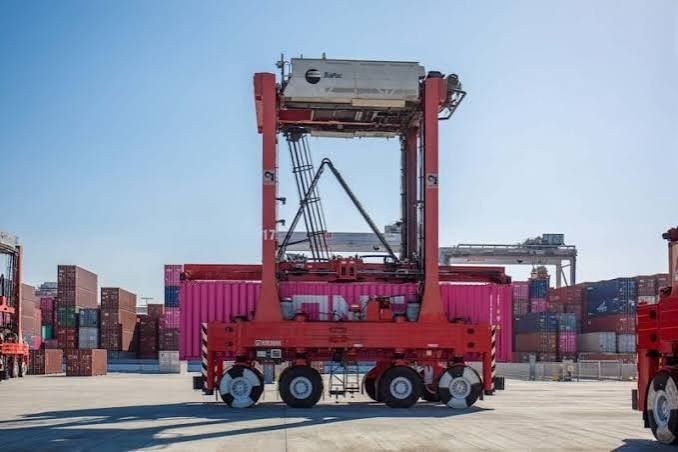
Container Terminal Automation: Key Features for Smarter Port Operations
Container terminals handle large volumes of cargo through a coordinated network of cranes, vehicles, storage yards, gates, and digital systems.
As container traffic grows, automation can help coordinate these activities with greater consistency and visibility. Container terminal automation combines equipment, sensors, software, and control systems to manage container movement across different stages of port operations.
From automated stacking cranes to terminal operating systems, these technologies can reduce manual coordination and provide data for operational planning. Understanding the main features of automation helps terminal operators, logistics planners, and port technology teams evaluate how different systems fit into their workflows.
Why Container Terminal Automation Matters
A modern container terminal involves many connected activities. Containers may move from a vessel to the quay, from the quay to a storage yard, and then toward a truck or rail connection.
Manual coordination across these stages can create communication gaps and inconsistent equipment utilization. Container terminal automation systems use software and connected equipment to coordinate tasks and share operational information.
Key benefits can include:
- More consistent container movement
- Better visibility of yard activities
- Automated equipment coordination
- Improved tracking of container locations
- More structured workflow planning
- Remote monitoring of equipment
- Better use of operational data
Automation does not mean that every activity must operate without people. Many terminals use a combination of automated equipment, remote operators, maintenance teams, planners, and supervisory staff.
How Container Terminal Automation Works
Container terminal automation connects physical equipment with digital control systems. Data from sensors, positioning systems, cameras, and equipment controllers is collected and processed by terminal software.
A typical workflow can include these stages:
- Vessel planning – Container movements are planned according to vessel loading and unloading requirements.
- Quay operations – Ship-to-shore cranes transfer containers between vessels and the terminal.
- Transport coordination – Automated or manually operated vehicles move containers between the quay and yard.
- Yard storage – Automated stacking cranes place containers into assigned positions.
- Gate and rail operations – Containers are identified and processed as they enter or leave the terminal.
- Central monitoring – Terminal software tracks equipment, containers, tasks, and operational status.
The terminal operating system acts as a central coordination layer, connecting individual activities into a structured workflow.
Key Features of Container Terminal Automation
Automated Stacking Cranes
Automated stacking cranes are commonly used in automated container yards. These cranes can move containers vertically and horizontally according to instructions from a control system.
Position sensors and automated controls help determine crane location and container placement. Remote operators may supervise activities or intervene when specific situations require human involvement.
Automated Guided Vehicles
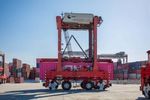
Automated guided vehicles (AGVs) transport containers between quay cranes and storage areas. Their movements can be coordinated through terminal software and predefined traffic-management rules.
Depending on the terminal design, other automated transport platforms may also be used for horizontal container movement.
Terminal Operating Systems
A container terminal operating system coordinates planning and execution across the terminal. It can maintain information about:
- Container locations
- Vessel schedules
- Equipment status
- Yard positions
- Work assignments
- Gate transactions
- Truck and rail movements
The software provides a common information layer for different operational departments.
Real-Time Equipment Monitoring
Sensors and communication systems allow equipment conditions and operating status to be monitored. Information such as location, movement, operating state, and equipment alarms can be transmitted to control systems.
This creates greater visibility into ongoing operations and can support maintenance planning.
Remote Equipment Control
Remote-control systems allow operators to supervise or control certain cranes and other equipment from dedicated control rooms.
Cameras, sensors, and equipment data provide operators with information that would otherwise be available only from the equipment cabin. Remote operation can also separate personnel from certain equipment environments.
Automated Gate Processing
Automation can extend beyond the container yard. Gate systems can use cameras, optical character recognition, identification technologies, and integrated software to record container movements.
Automated gate processes may verify container information and direct vehicles toward appropriate processing areas.
Important Automation Components
| Component | Main Function |
|---|---|
| Automated stacking crane | Container storage and retrieval |
| AGV | Horizontal container transportation |
| Terminal operating system | Planning and operational coordination |
| Sensors | Equipment and container data collection |
| OCR cameras | Container and vehicle identification |
| Positioning systems | Equipment and container location |
| Remote-control system | Equipment supervision and operation |
| Communication network | Data exchange between systems |
| Yard management software | Storage planning and tracking |
| Control center | Central monitoring and intervention |
Factors That Affect Automation Performance
The performance of an automated terminal depends on more than individual machines. Several connected factors influence the overall workflow.
System Integration
Cranes, vehicles, gates, databases, and terminal software need compatible communication interfaces. Poor integration can create delays even when individual machines operate correctly.
Yard Layout
The physical arrangement of storage blocks, traffic lanes, cranes, gates, and rail connections affects automation logic. A well-planned layout can simplify equipment movement and task coordination.
Data Accuracy
Automation relies on accurate information about container identity, position, equipment status, and work assignments. Incorrect or delayed data can affect downstream activities.
Communication Infrastructure
Automated equipment requires reliable communication with control systems. Network interruptions can affect task allocation, monitoring, and equipment coordination.
Human Supervision
Even highly automated terminals require people for planning, exception handling, maintenance, safety oversight, and system supervision. Automation changes many human roles rather than eliminating the need for human involvement.
Container Terminal Automation vs Traditional Operations
| Area | Traditional Operations | Automated Operations |
|---|---|---|
| Equipment control | Mainly manual | Automated or remotely supervised |
| Container tracking | Manual and digital methods | Integrated digital tracking |
| Yard planning | Human-directed | Software-supported |
| Vehicle movement | Driver-controlled | Automated or coordinated |
| Monitoring | Operator observation | Sensors and centralized systems |
| Data integration | Often distributed | Connected systems |
| Exception handling | Direct intervention | Automated alerts with human response |
The actual level of automation varies considerably between terminals. Some facilities automate specific yard activities while others integrate automation across quay, transport, storage, gate, and planning operations.
Applications of Port Automation Technology
Port automation technology can be applied across several terminal activities:
- Container loading and unloading
- Automated yard storage
- Container transportation
- Gate processing
- Rail terminal coordination
- Equipment monitoring
- Yard inventory management
- Vessel planning
- Traffic management
- Operational data analysis
Automation can also support digital dashboards that allow managers to monitor equipment utilization, container locations, workflow status, and operational exceptions.
Best Practices for Implementing Automation
Successful automation requires planning across both technology and operations.
Important considerations include:
- Map existing workflows before introducing automation.
- Define equipment and software interfaces clearly.
- Create reliable communication infrastructure for connected equipment.
- Establish data standards for container and equipment information.
- Plan exception-handling procedures for situations automation cannot resolve.
- Train personnel to operate, monitor, maintain, and troubleshoot automated systems.
- Test systems progressively before expanding automation across the terminal.
A phased approach can help identify integration problems before they affect the entire terminal.
Who Can Use Container Terminal Automation?
Container terminal automation is relevant to organizations managing or planning:
- Large container terminals
- Port authorities
- Marine logistics facilities
- Intermodal terminals
- Automated container yards
- Rail-connected container facilities
- Digital port infrastructure projects
The appropriate level of automation depends on terminal size, layout, cargo volume, equipment configuration, labor structure, existing software, and operational objectives.
FAQs About Container Terminal Automation
What is container terminal automation?
Container terminal automation is the use of automated equipment, sensors, software, and control systems to coordinate container handling, storage, transportation, and related terminal activities.
What equipment is used in automated container terminals?
Common equipment includes automated stacking cranes, automated guided vehicles, ship-to-shore cranes, automated gates, positioning systems, cameras, and connected monitoring devices.
What does a terminal operating system do?
A terminal operating system coordinates information and workflows related to containers, vessels, equipment, yard locations, gates, and transport activities.
Are automated container terminals completely unmanned?
Not necessarily. Many automated terminals still require people for supervision, planning, maintenance, exception handling, safety management, and operational control.
What are the main challenges of port automation?
Common challenges include system integration, infrastructure requirements, data accuracy, communication reliability, workforce training, cybersecurity, equipment coordination, and handling operational exceptions.
Conclusion
Container terminal automation brings together automated equipment, terminal software, sensors, communication networks, and human supervision to coordinate complex port activities. Features such as automated stacking cranes, AGVs, remote control, real-time monitoring, and integrated terminal operating systems can create a more connected operational environment.
The effectiveness of automation depends on how well these technologies work together. A clear understanding of terminal workflows, data requirements, infrastructure, equipment capabilities, and human responsibilities is therefore important when planning or evaluating an automated container terminal.