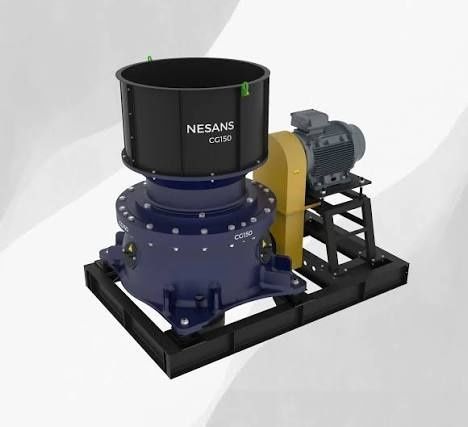
Cone Crusher Equipment: Key Features for Reliable Crushing
Cone crushers are widely used in aggregate, mining, quarrying, and mineral processing operations where materials need to be reduced into smaller and more uniform sizes.
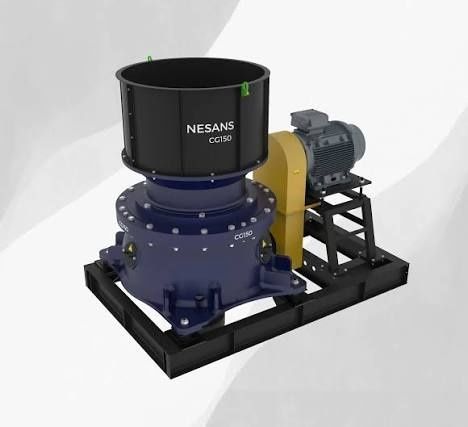
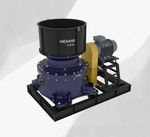
Cone crusher equipment uses compression to break material between a rotating mantle and a fixed concave surface.
The equipment can be configured for secondary, tertiary, and sometimes quaternary crushing stages. Its performance depends on several factors, including crushing chamber design, feed characteristics, liner condition, hydraulic adjustment, drive configuration, and operating controls.
Understanding these features helps operators and plant planners select suitable equipment for different crushing applications.
Why Cone Crusher Equipment Matters
Crushing is often performed in several stages because large rocks cannot always be reduced to the required size in a single operation. Cone crushers can provide an intermediate or final crushing stage after primary reduction.
Important functions include:
- Reducing hard and abrasive materials
- Producing controlled particle sizes
- Supporting secondary and tertiary crushing
- Processing aggregate and mineral materials
- Maintaining consistent crushing conditions
- Allowing adjustments to product size
- Integrating with automated plant controls
The appropriate cone crusher configuration depends on the material, required output size, feed characteristics, and overall plant arrangement.
How Cone Crusher Equipment Works
A cone crusher uses a fixed outer crushing surface called the concave and a moving inner component called the mantle.
Material enters through the top of the crushing chamber. As the mantle moves in an eccentric motion, the space between the mantle and concave repeatedly opens and closes.
When the space closes, compression forces are applied to the material. Broken particles move downward through the chamber until they are small enough to leave through the discharge opening.
The basic sequence is:
- Material enters the crushing chamber.
- The eccentric drive moves the mantle.
- Material is compressed between the mantle and concave.
- Fractured particles move downward.
- Smaller particles exit through the discharge zone.
Key Features of Cone Crusher Equipment
Crushing Chamber Design
The crushing chamber determines how material is compressed and how it moves through the machine.
Different chamber configurations can accommodate different feed sizes and product requirements. Chamber geometry also affects reduction characteristics and particle distribution.
Mantle and Concave
The mantle and concave are wear components that directly contact the material. Their profiles influence the crushing zone, product size, and material flow.
Wear gradually changes the shape of these surfaces, making regular inspection important for maintaining consistent operation.
Hydraulic Adjustment
Many modern cone crushing equipment systems use hydraulic mechanisms to adjust the crushing gap. This allows operators to control the approximate discharge setting.
Hydraulic systems may also support overload protection and make certain maintenance procedures easier.
Eccentric Drive System
The eccentric mechanism creates the movement required to compress material. Its operating characteristics influence crushing action, capacity, and product size.
Correct lubrication and alignment are important for reliable operation of the drive assembly.
Automated Controls
Modern cone crushers can incorporate electronic monitoring and control systems. These systems can track operating conditions such as:
- Hydraulic pressure
- Lubrication temperature
- Motor load
- Crusher speed
- Vibration
- Feed conditions
- Operating hours
Automation can provide alarms when operating parameters move outside defined ranges.
Important Cone Crusher Components
| Component | Main Function |
|---|---|
| Mantle | Moving crushing surface |
| Concave | Fixed crushing surface |
| Main shaft | Supports the crushing assembly |
| Eccentric assembly | Creates mantle movement |
| Drive motor | Provides mechanical power |
| Hydraulic system | Adjustment and protection |
| Lubrication system | Reduces friction and heat |
| Main frame | Supports major components |
| Feed hopper | Directs material into the chamber |
| Discharge area | Releases crushed material |
Factors Affecting Crushing Performance
Feed Size
The maximum feed size must remain within the machine's specified operating range. Oversized material can affect throughput and may increase stress on components.
Material Hardness
Rock hardness influences the force required for crushing. Hard and abrasive materials can also accelerate wear on crushing surfaces.
Feed Gradation
A consistent feed distribution can help maintain stable crushing conditions. Sudden changes in feed characteristics may affect power demand and product output.
Closed-Side Setting
The closed-side setting (CSS) is the minimum distance between the mantle and concave during the crushing cycle. Changing this setting influences the resulting particle size.
Crusher Speed
The rotational characteristics of the crusher influence material movement and crushing action. Operating speed should remain within the manufacturer's specified range.
Liner Wear
Worn liners can alter the shape of the crushing chamber. Monitoring wear helps maintain appropriate chamber geometry and product characteristics.
Types of Cone Crusher Equipment
Hydraulic Cone Crushers
Hydraulic cone crushers use hydraulic systems for adjustment and overload protection. They are commonly used in aggregate and mineral processing applications.
Spring Cone Crushers
Spring cone crushers use mechanical spring systems for protection against uncrushable material. Their relatively simple mechanical arrangement makes them suitable for various crushing applications.
Multi-Cylinder Hydraulic Crushers
These machines use multiple hydraulic cylinders around the crusher frame. The arrangement can provide controlled adjustment and protection during operation.
Single-Cylinder Hydraulic Crushers
Single-cylinder designs use a hydraulic system to control key crusher functions. Their configuration can simplify certain adjustment and maintenance processes.
Cone Crusher vs Jaw Crusher
Cone crushers and jaw crushers perform different roles within many crushing plants.
| Feature | Cone Crusher | Jaw Crusher |
|---|---|---|
| Main crushing method | Compression | Compression |
| Typical position | Secondary or tertiary | Primary |
| Crushing chamber | Conical | Fixed and moving jaw |
| Typical feed | Pre-crushed material | Larger raw material |
| Product control | Adjustable crushing gap | Adjustable discharge opening |
| Common application | Aggregate and mineral processing | Primary rock reduction |
A crushing plant may use both machines because they can perform different stages of material reduction.
Applications of Cone Crusher Equipment
Cone crusher equipment is used in a range of material-processing operations, including:
- Aggregate production
- Quarrying
- Mining
- Road construction materials
- Manufactured sand production
- Mineral processing
- Recycling applications
- Construction material processing
The specific crusher configuration should correspond to the material properties and required product specifications.
Best Practices for Operation and Maintenance
Proper operating practices can help maintain stable crusher performance.
- Maintain an appropriate feed rate to avoid unstable operating conditions.
- Monitor liner wear and replace components when required.
- Check lubrication systems regularly.
- Monitor hydraulic pressure and temperature.
- Inspect belts, bearings, and drive components.
- Keep feed material within specified size limits.
- Monitor vibration and unusual operating sounds.
- Follow manufacturer-recommended maintenance intervals.
Regular inspection can also help identify developing mechanical problems before they affect larger plant operations.
Who Uses Cone Crusher Equipment?
Cone crushers are relevant to organizations involved in:
- Quarry operations
- Aggregate processing
- Mining operations
- Mineral processing
- Road material production
- Construction material recycling
- Crushing and screening plants
Equipment selection depends on feed material, production requirements, product size, plant configuration, and operating conditions.
FAQs About Cone Crusher Equipment
What is cone crusher equipment used for?
Cone crusher equipment is primarily used to reduce rock, minerals, and aggregate materials through compression. It is commonly positioned in secondary and tertiary crushing stages.
How does a cone crusher crush material?
A cone crusher compresses material between a moving mantle and a fixed concave. The mantle's eccentric movement repeatedly compresses material until particles reach the required discharge size.
What is the difference between a cone crusher and a jaw crusher?
Jaw crushers are commonly used for primary crushing of larger feed material, while cone crushers are generally used for secondary or tertiary reduction after primary crushing.
What affects cone crusher performance?
Feed size, material hardness, feed distribution, crusher speed, closed-side setting, liner condition, lubrication, and operating conditions can all affect performance.
How often should cone crusher equipment be maintained?
Maintenance frequency depends on equipment design, operating hours, material abrasiveness, and manufacturer requirements. Regular inspections of lubrication, liners, hydraulics, bearings, and drive components are important.
Conclusion
Cone crusher equipment provides controlled compression crushing for aggregate, mining, quarrying, and mineral processing applications. Features such as crushing chamber geometry, mantle and concave design, hydraulic adjustment, eccentric drive systems, lubrication, and automated monitoring all contribute to equipment operation.
Selecting an appropriate configuration requires consideration of material characteristics, feed size, required product size, production conditions, and plant layout. Regular inspection and maintenance of wear components, hydraulic systems, lubrication, and drive assemblies can help maintain consistent crushing conditions.