Cold Beverage Dispensers Explained: Discover Key Information and Expert Suggestions
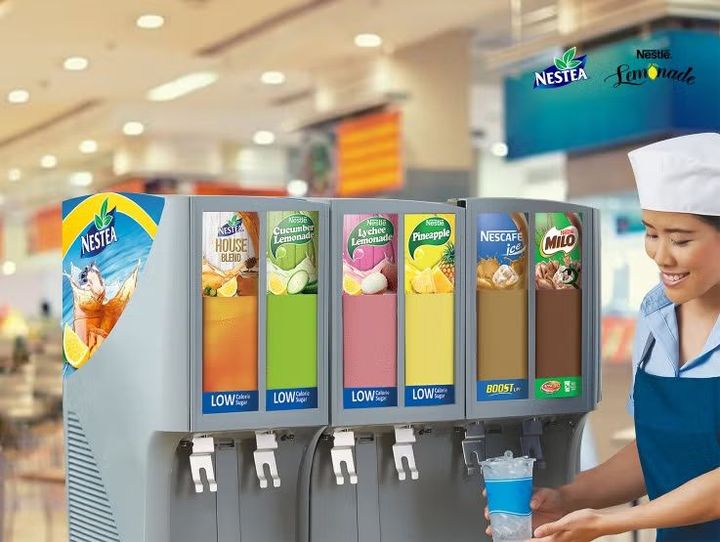
Cold beverage dispensers are machines designed to store, cool, and dispense chilled drinks such as juices, iced tea, flavored water, electrolyte beverages, and other cold liquids. Their purpose is simple: to maintain beverage temperature, ensure hygiene, and allow consistent serving without manual mixing or refrigeration.
They are widely seen in cafeterias, restaurants, institutional canteens, convenience points, events, and workplaces.
These machines exist because beverages with consistent temperature and hygiene requirements became essential in public spaces. Over time, cold beverage dispensing systems evolved from simple insulated containers to advanced mechanical and electronic cooling units with temperature-control features. Today, they are used in varied environments where large groups need quick access to safe and chilled beverages.
Cold beverage dispensers continue to improve as newer cooling technologies, durable materials, and easy-clean mechanisms become widely available. The goal is to maintain dependable beverage quality while supporting hygienic handling and smooth beverage flow.
High CPC keywords included naturally: commercial refrigeration systems, beverage cooling technology, industrial cooling equipment, food safety standards, temperature monitoring solutions, energy-efficient cooling units, hygiene compliance guidelines.
Importance: Why Cold Beverage Dispensers Matter
Cold beverage dispensers play an important role in maintaining beverage safety, flavor consistency, and temperature control. Their importance is connected to the growing demand for ready-to-drink cold beverages in public and private environments, especially where hygiene and standardization matter.
These dispensers benefit several user groups:
-
Food preparation spaces that need consistent temperature management
-
Institutions that manage high beverage volumes throughout the day
-
Workplaces that aim to provide a convenient chilled drink option
-
Hospitality environments that require smooth beverage distribution
-
Educational facilities where large audiences consume beverages regularly
Cold beverage dispensers help solve key operational challenges such as keeping beverages chilled for long hours, reducing manual handling, preventing contamination, and allowing uniform beverage flow. Without such equipment, maintaining quality and freshness for large-volume beverage consumption becomes difficult.
Another reason these machines matter today is the emphasis on food safety compliance, particularly related to temperature control, contamination prevention, and sanitation practices. Consistent cooling, automated mixing, and minimal handling help meet these priorities.
High-value keywords included naturally: temperature control solutions, hygienic beverage handling, food-grade equipment standards, beverage sanitation practices, energy-efficient refrigeration systems, beverage quality monitoring.
Recent Updates: Trends and Changes in the Past Year
Recent developments from 2023–2024 have influenced the design, use, and management of cold beverage dispensers.
Shift toward energy-efficient cooling units (2024):
Manufacturers and institutions are adopting energy-efficient compressors and eco-friendly refrigerants. This movement aligns with global interest in reducing environmental impact and lowering energy consumption.
Improved temperature monitoring systems (2024):
Many new units feature digital temperature displays, auto-regulation systems, and smart sensors. These updates help maintain consistent cooling and support food safety compliance.
Enhanced hygiene-focused components (early 2024):
Touch-reduced surfaces, detachable components, and advanced sanitization features have become more common. These advancements were influenced by ongoing global concerns about hygiene and contamination control.
Stronger insulation materials (mid-2023 to 2024):
Newer beverage cooling technologies use more durable insulation that maintains consistent temperature even during continuous use.
Smart maintenance reminders (2024):
Some modern systems now include automated alerts for cleaning, temperature checks, and filter replacement. These reminders help users maintain sanitation and beverage quality.
These recent trends show a shift toward energy efficiency, smarter cooling technology, sustainability, and hygiene improvements—topics often prioritized in the broader field of commercial refrigeration and industrial cooling equipment.
Laws and Policies: Regulations Affecting Cold Beverage Dispensers
Cold beverage dispensers fall under several regulatory and policy categories across many countries. Although specific rules differ by region, most regulations relate to food safety, sanitation, and electrical standards.
Common regulatory areas include:
Food Safety and Hygiene Compliance
Facilities using beverage dispensing equipment must follow sanitation protocols based on local food safety agencies. These rules often cover:
-
Temperature maintenance requirements
-
Prevention of microbial contamination
-
Cleaning frequency guidelines
-
Proper storage and handling of beverage ingredients
-
Use of food-grade materials for containers and components
These standards ensure that beverages remain safe for consumption.
Electrical and Mechanical Safety Standards
Cold beverage dispensers must meet electrical safety codes and equipment certification guidelines. These may include:
-
Safe use of refrigeration units
-
Compliance with voltage, wiring, and grounding regulations
-
Use of approved cooling components
-
Equipment labeling and safety markings
Environmental Regulations
Some countries encourage or require the use of low-impact refrigerants. Policies promote:
-
Reduction of greenhouse-impact refrigerants
-
Energy-efficient cooling mechanisms
-
Compliance with emission limitations
Workplace and Institutional Rules
Organizations may implement internal policies requiring:
-
Daily cleaning and sanitization logs
-
Temperature monitoring records
-
Safe operation training
-
Regular maintenance schedules
Compliance with these policies helps maintain hygiene and equipment performance.
Tools and Resources: Helpful Solutions for Managing Cold Beverage Dispensers
Users who oversee, maintain, or evaluate cold beverage dispensers may benefit from several helpful tools and resources.
Temperature Monitoring Tools
-
Digital thermometers
-
Infrared temperature scanners
-
Smart temperature sensors
-
Data-logging apps for food safety monitoring
These tools help verify that beverages remain chilled within safety ranges.
Hygiene and Cleaning Resources
-
Sanitation checklists for beverage equipment
-
Food-grade cleaning references
-
Guides from food safety organizations
-
Maintenance schedule templates
These resources help maintain cleanliness and compliance.
Energy Efficiency Guides
-
Energy-efficient equipment guidelines
-
Refrigerant comparison charts
-
Energy-use calculators for refrigeration units
These tools support long-term sustainability decisions.
Operational Tools
-
Beverage preparation calculators
-
Cooling-capacity estimation charts
-
Flow-rate measurement tools
-
Equipment maintenance planners
Such tools help manage daily operations and predict beverage usage.
Institutional and Safety Websites
-
National food safety authority portals
-
Environmental regulation boards
-
Equipment certification directories
-
Workplace hygiene and sanitation standards
These websites offer updated guidelines, compliance information, and technical references relevant to beverage dispensing and commercial refrigeration technology.
Frequently Asked Questions
What temperature should a cold beverage dispenser maintain?
Most chilled beverages should be kept between 2°C and 7°C to ensure proper cooling and prevent bacterial growth. Digital temperature monitoring tools help maintain these levels.
How often should a cold beverage dispenser be cleaned?
Daily cleaning is typically recommended for surfaces, dispensing taps, and mixing components. Internal cleanup and deeper maintenance depend on usage frequency and hygiene guidelines in your region.
Are cold beverage dispensers suitable for all types of liquids?
They work best with beverages that do not contain large solid particles. Thick drinks, unfiltered mixtures, or beverages with pulp may require specific dispenser designs with agitation or circulation features.
What affects the energy efficiency of a cold beverage dispenser?
Factors include insulation quality, compressor efficiency, refrigerant type, ambient temperature, and frequency of use. Newer systems often have energy-efficient cooling mechanisms.
Can digital systems improve beverage safety and consistency?
Yes. Digital temperature displays, smart sensors, and maintenance reminders help maintain beverage quality, support food-safety compliance, and reduce operational errors.
Conclusion
Cold beverage dispensers play an essential role in maintaining beverage quality, hygiene, and temperature consistency across many public and institutional environments. Their relevance continues to grow as people expect reliable access to chilled beverages that meet sanitation and safety guidelines.
Recent advancements in energy-efficient refrigeration, digital temperature monitoring, and hygiene-focused design show that the field is moving toward smarter and more sustainable solutions. Regulations related to food safety and equipment standards also help ensure that beverage dispensing remains safe, hygienic, and dependable.