Cartridge Filtration Systems: Key Features for Better Filtration
Liquid filtration is an important part of many industrial processes, including water treatment, food processing, chemical production, pharmaceuticals, and manufacturing.
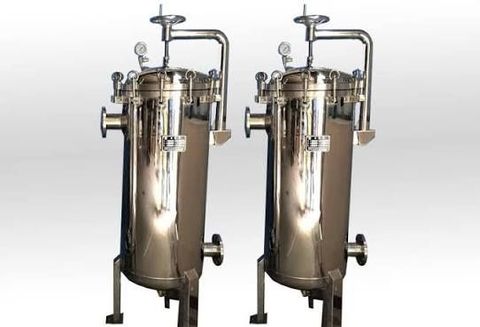
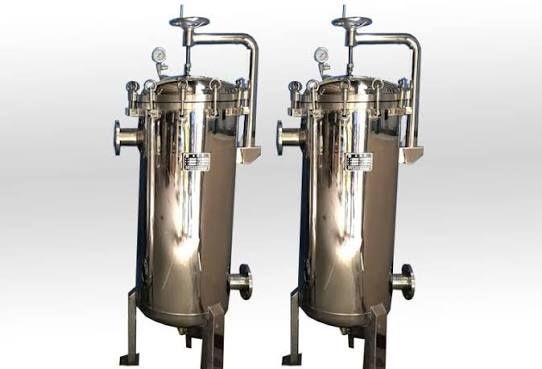
Cartridge filtration systems use replaceable filter elements housed inside a pressure vessel to remove suspended particles and other contaminants from liquid streams.
These systems are available in different filter media, pore ratings, housing materials, flow configurations, and cartridge sizes. Their relatively modular design allows filtration capacity and media selection to be matched with specific process requirements.
Understanding how cartridge filtration systems work and the features that affect their operation can help facilities select appropriate filtration arrangements.
Why Cartridge Filtration Systems Matter
Industrial liquids can contain suspended solids, sediment, fibers, microorganisms, or other unwanted particles. Removing these contaminants can help protect downstream equipment and maintain required process conditions.
Cartridge filtration systems can support:
- Fine particle removal
- Process-water filtration
- Protection of downstream equipment
- Final filtration stages
- Pre-filtration before membrane systems
- Product clarification
- Controlled liquid filtration
- Easy filter-element replacement
The appropriate configuration depends on the liquid composition, particle concentration, required filtration rating, flow rate, temperature, and chemical compatibility.
How Cartridge Filtration Systems Work
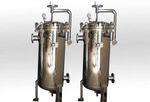
A typical system consists of a filter housing, one or more cartridge elements, inlet and outlet connections, seals, and supporting components.
During operation, contaminated liquid enters the housing and flows through the cartridge element. The filter media captures particles while the filtered liquid exits through the outlet.
The basic process is:
- Liquid enters the filter housing.
- Flow is directed toward the cartridge elements.
- Liquid passes through the filter media.
- Particles are retained by the media.
- Filtered liquid moves toward the outlet.
- Pressure differential increases as the filter accumulates retained material.
- The cartridge is cleaned, replaced, or otherwise managed when it reaches its operating limit.
The exact filtration mechanism depends on the cartridge design and media type.
Key Features of Cartridge Filtration Systems
Filter Media
The filter medium is the primary separation component. Common materials include polypropylene, polyester, cellulose, nylon, and specialized membrane materials.
Media selection depends on particle characteristics, liquid chemistry, temperature, and required filtration performance.
Filtration Rating
Cartridge filters are commonly specified using a nominal or absolute particle-retention rating. The appropriate rating depends on the size and nature of contaminants that need to be removed.
A finer rating is not automatically suitable for every application because it can increase pressure drop or require more frequent element replacement.
Filter Housing
The housing contains the cartridge elements and directs liquid through the intended flow path. Housings may be constructed from plastics, stainless steel, carbon steel, or other compatible materials.
Housing selection depends on pressure, temperature, chemical exposure, and installation environment.
Cartridge Configuration
Systems can use single cartridges or multiple cartridges installed in parallel. Multi-cartridge arrangements can provide greater filtration area and flow capacity.
The configuration should correspond to process flow requirements and available installation space.
Seals and Gaskets
Seals prevent liquid from bypassing the filter element. Their material should be compatible with the process liquid and operating temperature.
Improper sealing can allow unfiltered liquid to pass into the downstream process.
Pressure Monitoring
Pressure gauges or differential-pressure indicators can monitor the pressure difference between the inlet and outlet sides of the filter.
Increasing differential pressure can indicate that the cartridge is accumulating retained material and may require replacement.
Main Types of Cartridge Filters
Pleated Cartridge Filters
Pleated filters fold a continuous sheet of filter media to create a larger filtration surface within a compact cartridge.
They are widely used for liquid filtration where increased surface area is useful.
Melt-Blown Cartridge Filters
Melt-blown cartridges are manufactured by forming layers of polymer fibers around a central core. They can provide depth filtration for suspended particles.
String-Wound Cartridge Filters
String-wound filters use wrapped fibers to create a depth-filtration structure. Different winding patterns can produce different particle-retention characteristics.
Membrane Cartridge Filters
Membrane cartridges use thin membrane materials with defined pore structures. They are used when fine filtration or specific contaminant retention is required.
High-Flow Cartridge Filters
High-flow designs use larger filtration areas or specialized flow paths to process higher liquid volumes through fewer filter elements.
Important Components
| Component | Main Function |
|---|---|
| Filter cartridge | Retains contaminants |
| Filter housing | Contains the cartridge |
| Filter media | Provides the separation mechanism |
| End caps | Seal cartridge ends |
| Core | Supports filter media |
| Gasket or O-ring | Prevents bypass |
| Inlet connection | Introduces liquid |
| Outlet connection | Directs filtered liquid |
| Pressure gauge | Monitors system pressure |
| Vent or drain | Supports air removal and maintenance |
The actual component arrangement depends on the cartridge type and housing design.
Factors Affecting Filtration Performance
Particle Concentration
A liquid containing a high concentration of suspended solids can load a cartridge more quickly. Pre-filtration may be appropriate when contaminant levels are high.
Flow Rate
Higher flow rates can increase pressure drop across the filter. The cartridge configuration should therefore match the required process flow.
Filter Rating
The selected pore or particle rating determines which contaminants can be retained. Filter selection should reflect the actual process objective rather than relying only on the smallest available rating.
Liquid Viscosity
Viscous liquids generally require more pressure to move through filter media. Temperature can also change viscosity and influence filtration behavior.
Temperature
Filter media, housings, seals, and gaskets must remain stable at the operating temperature. Material compatibility should be checked before installation.
Chemical Compatibility
The filter material must tolerate the liquid being processed. Chemical exposure can affect polymers, adhesives, seals, and housing materials.
Cartridge Filtration vs Bag Filtration
Both systems use replaceable filter media, but their construction and operating characteristics differ.
| Feature | Cartridge Filtration | Bag Filtration |
|---|---|---|
| Filter format | Cylindrical cartridge | Flexible filter bag |
| Filtration area | Compact, configurable | Depends on bag design |
| Fine filtration | Common | Available in selected designs |
| Element replacement | Cartridge replacement | Bag replacement |
| Multi-element systems | Common | Multiple bags possible |
| Typical applications | Water and process liquids | Industrial liquid and slurry filtration |
The appropriate system depends on contaminant concentration, required filtration level, flow rate, and process conditions.
Applications of Cartridge Filtration Systems
Cartridge filtration systems are used in many industrial environments, including:
- Water treatment
- Industrial process water
- Food and beverage processing
- Pharmaceutical manufacturing
- Chemical processing
- Electronics manufacturing
- Paint and coating processes
- Oil and lubricant filtration
- Cosmetics production
- Pre-filtration for membrane systems
The cartridge material and housing configuration should be selected according to the liquid being filtered.
Best Practices for Cartridge Filter Operation
Proper operation can help maintain consistent filtration performance.
- Select filter media compatible with the process liquid.
- Match cartridge rating to the required separation level.
- Maintain the recommended flow rate.
- Monitor differential pressure across the filter.
- Inspect seals and connections during maintenance.
- Prevent unfiltered liquid from bypassing the cartridge.
- Use pre-filtration when contaminant loading is high.
- Replace cartridges according to defined operating limits.
- Clean housings during scheduled maintenance.
- Record pressure and cartridge operating data where appropriate.
Following these practices can help identify filter loading and other operating issues before they affect downstream processes.
Automation and Monitoring
Modern cartridge filtration equipment can include differential-pressure sensors, flow meters, automated valves, and digital monitoring systems.
These components can provide information about:
- Inlet pressure
- Outlet pressure
- Differential pressure
- Flow rate
- Operating temperature
- Filter loading
- Operating time
In larger installations, monitoring systems can integrate filtration data with broader process-control platforms.
Who Uses Cartridge Filtration Systems?
Cartridge filtration systems are relevant to facilities that need controlled liquid filtration, including:
- Water treatment plants
- Food-processing facilities
- Pharmaceutical plants
- Chemical manufacturers
- Electronics facilities
- Industrial manufacturing plants
- Beverage processing facilities
- Paint and coating operations
The system configuration should reflect liquid characteristics, contaminant concentration, flow requirements, temperature, pressure, and filtration objectives.
FAQs About Cartridge Filtration Systems
What are cartridge filtration systems used for?
Cartridge filtration systems are used to remove suspended particles and selected contaminants from liquid streams. Applications include water treatment, process filtration, food processing, chemical production, and pharmaceutical manufacturing.
How does a cartridge filter work?
Liquid enters a housing and flows through a cartridge containing filter media. The media retains particles while filtered liquid passes through and exits the housing.
What is a pleated cartridge filter?
A pleated cartridge filter uses folded filter media to create a larger filtration surface within a compact element. The increased surface area can support particle retention while maintaining liquid flow.
How do you know when a cartridge filter needs replacement?
Differential pressure is commonly monitored to determine filter loading. A significant increase in pressure difference between the inlet and outlet can indicate that the cartridge is becoming restricted.
What factors should be considered when selecting a cartridge filtration system?
Important factors include liquid chemistry, particle concentration, flow rate, filtration rating, temperature, pressure, filter-media compatibility, housing material, and available installation space.
Conclusion
Cartridge filtration systems provide a modular approach to liquid filtration using replaceable filter elements housed within pressure vessels. Features such as filter media, filtration ratings, housing construction, cartridge configuration, seals, and pressure monitoring determine how the system performs in a particular process.
Selecting the appropriate cartridge requires consideration of the liquid, contaminants, flow rate, temperature, pressure, and desired filtration level. Regular monitoring of differential pressure and inspection of housings, seals, and filter elements can help maintain consistent filtration conditions.