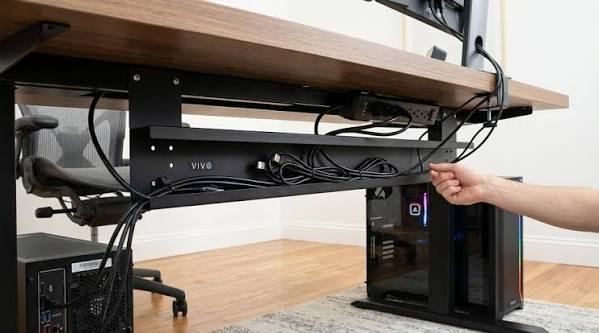
Cable Management Products: An Overview of Types and Applications
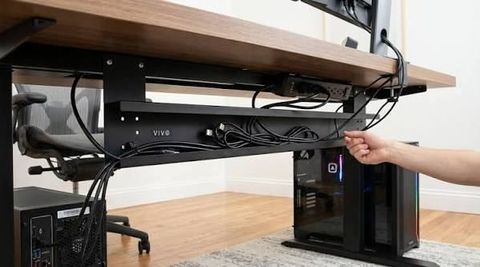
Cable management products are used to organize, route, support, protect, and separate electrical and communication cables.
They are found in buildings, factories, data rooms, transportation facilities, commercial spaces, and infrastructure projects. As the number of electrical and digital connections has increased, structured methods for handling cables have become an important part of installation planning.
Early cable management mainly involved basic clips, conduits, brackets, and supports. As electrical installations became larger and more complex, dedicated cable management systems developed to handle greater cable quantities and different installation environments. Today, these systems can include trays, ladders, conduits, trunking, clamps, channels, racks, and other supporting components.
Industrial cable management products are designed for environments where cables may be exposed to vibration, heat, moisture, dust, chemicals, or mechanical movement. Commercial electrical cable management generally focuses on organized routing in offices, retail buildings, hospitals, educational facilities, and other occupied spaces.
Main Types of Cable Management Products
Cable management products can be grouped according to their structure, installation method, and application. Common categories include:
- Cable trays for supporting groups of cables along horizontal or vertical routes.
- Cable ladders that use side rails and cross members to support larger cable arrangements.
- Conduits that provide enclosed pathways for individual cables or cable groups.
- Cable trunking and channels that provide organized pathways within buildings.
- Clamps, ties, brackets, and supports that secure cables in specific positions.
- Cable routing systems designed to guide cables between equipment and connection points.
The appropriate arrangement depends on cable quantity, environmental conditions, physical space, accessibility requirements, and applicable electrical standards.
Cable Trays and Ladder Systems
Cable tray management systems provide an open pathway for cables while allowing visual access and ventilation. They can be manufactured in different materials and configurations depending on the environment.
Industrial cable tray systems are commonly used where several cables need to follow a planned route. Cable ladder systems use cross members to support cables and can accommodate larger cable groups in industrial and infrastructure environments.
Importance
Organized cable management helps reduce physical disorder and makes electrical installations easier to inspect and maintain. Poorly arranged cables can become difficult to identify, access, or separate, particularly when many power, control, communication, and data cables occupy the same area.
Cable management also helps address mechanical protection. Cables may encounter sharp edges, moving equipment, foot traffic, vibration, heat, moisture, or accidental contact. Industrial cable protection systems can create a physical barrier or structured route that reduces exposure to some of these conditions.
Supporting Safety and Organization
Electrical cable management systems can help maintain separation between different cable groups. For example, power cables and sensitive communication cables may need appropriate routing arrangements to reduce interference or meet installation requirements.
Organized routing can also make inspection easier. Clear pathways allow technicians and facility personnel to identify cable routes and locate particular sections without disturbing unrelated connections.
Applications Across Different Environments
Cable management equipment is used in many settings, including:
- Manufacturing plants and processing facilities.
- Commercial buildings and office spaces.
- Data and communication rooms.
- Transportation infrastructure.
- Energy and utility facilities.
- Warehouses and distribution buildings.
- Residential and public infrastructure.
Commercial cable management systems often use compact channels, trunking, conduits, and concealed pathways. Industrial cable management equipment may use larger trays, ladders, supports, and protective structures designed around demanding operating conditions.
Managing Large Cable Volumes
High capacity cable management systems are relevant where many cables must travel through a limited number of planned routes. A structured system can divide a complex installation into identifiable pathways.
The design must account for cable quantity, weight, bending requirements, support spacing, access, environmental exposure, and future changes. These factors help determine whether a tray, ladder, conduit, channel, or combination of components is appropriate.
| Cable Management Type | Typical Application | Main Function |
|---|---|---|
| Cable tray | Industrial and commercial facilities | Supports cable groups |
| Cable ladder | Large industrial installations | Supports heavier cable arrangements |
| Conduit | Buildings and equipment | Encloses and protects cables |
| Trunking | Commercial interiors | Routes and organizes cables |
| Cable channel | Equipment and control areas | Provides a defined pathway |
| Clamps and supports | Various installations | Secures individual cables or groups |
Recent Updates
Current developments in cable management are closely connected with increased electrical infrastructure, data connectivity, automation, renewable energy installations, and industrial digitalization. These changes can result in greater numbers of power, communication, control, and data cables being installed within the same facility.
Greater Focus on Flexible Routing
Advanced cable routing systems are increasingly designed around installations that may change over time. Modular trays, adjustable supports, and accessible pathways can make it easier to accommodate changes in equipment layout or cable routes.
This approach is relevant to industrial environments where production equipment, control systems, sensors, and communication networks may be added or rearranged. Flexible layouts can also simplify documentation and inspection.
Increased Use of Protective Materials
Material selection has become an important part of industrial cable management solutions. Depending on the environment, systems may use steel, stainless steel, aluminum, plastics, or other materials with specific physical and environmental properties.
Industrial cable protection systems may also be designed for environments involving moisture, corrosion, temperature changes, mechanical impact, or exposure to industrial contaminants. Material selection should correspond with the conditions identified during installation planning.
Integration With Modern Electrical Infrastructure
The expansion of automation, connected equipment, and digital communication has increased the need for organized cable pathways. Advanced electrical cable management equipment can be incorporated into installations containing power distribution, control wiring, sensors, networking cables, and communication systems.
Modern projects also place greater attention on documentation. Cable routes, equipment connections, identification systems, and pathway layouts may be recorded digitally to support inspection and future modifications.
Tools and Resources
Several tools can help with the planning and documentation of cable management systems. The appropriate resource depends on whether the project involves a small building installation, industrial facility, or larger infrastructure environment.
Planning and Calculation Resources
Cable tray sizing references and engineering calculators can help estimate pathway requirements. These resources may consider cable quantity, cable diameter, spacing, loading, and available installation space.
Cable routing templates can also help users document pathways before installation. A basic plan may identify equipment locations, cable origins, destinations, bends, vertical transitions, support points, and separation requirements.
Standards and Technical Documentation
Electrical installation standards provide information about routing, protection, grounding, separation, environmental conditions, and installation practices. Technical documentation from standards organizations and electrical authorities can help explain requirements relevant to a particular location or application.
Manufacturer documentation can also provide dimensional information, loading references, material specifications, and installation instructions for particular cable management components.
Digital Design Tools
Computer-aided design platforms and building information modeling tools can be used to represent cable routes within building or industrial layouts. Digital models can help identify conflicts between cable pathways, equipment, ventilation systems, structural components, and other installations.
For larger projects, complete cable management systems may be documented through drawings, schedules, component lists, and maintenance records. These documents provide a reference for understanding the physical arrangement of an installation.
FAQs
What are cable management products used for?
Cable management products are used to route, organize, support, separate, and protect electrical and communication cables. They can be used in residential, commercial, industrial, and infrastructure environments.
What are industrial cable management products?
Industrial cable management products are components designed for cable routing and protection in industrial environments. They can include cable trays, ladder systems, conduits, brackets, supports, clamps, and protective pathways.
How do cable management systems work?
Cable management systems create defined pathways for cables and provide structural support or protection. A system may combine trays, ladders, conduits, supports, and identification components according to the installation layout.
What is the difference between cable trays and cable ladder systems?
Cable trays generally provide a continuous support surface for cables, while cable ladder systems use side rails and cross members. The selection depends on cable arrangement, load, ventilation, space, and installation requirements.
Where are electrical cable management systems used?
Electrical cable management systems are used in buildings, factories, infrastructure facilities, data rooms, commercial spaces, and equipment areas. Their configuration varies according to the cables, environment, and applicable installation requirements.
Conclusion
Cable management products provide structured methods for routing, supporting, organizing, and protecting electrical and communication cables. Cable trays, ladder systems, conduits, channels, supports, and protective components are used across commercial and industrial environments. Recent developments reflect greater electrical connectivity, automation, digital infrastructure, and demand for adaptable cable routing systems. Proper planning considers cable quantity, environmental conditions, physical layout, protection requirements, and relevant electrical standards.