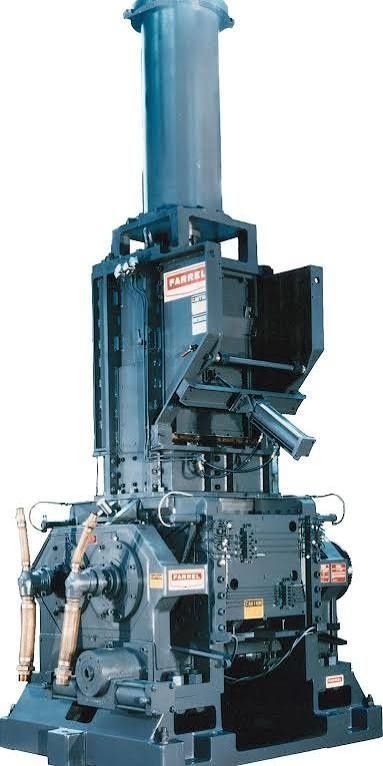
Banbury Mixer: An Overview of Mixing Technology and Industrial Applications
A Banbury mixer is an internal mixing machine designed to combine rubber with other ingredients under controlled mechanical action.
The technology is associated with rubber compounding, where natural or synthetic rubber is combined with materials such as fillers, oils, pigments, and chemical additives to create compounds with specific physical properties.
The Banbury mixing machine originated from the development of internal mixers for rubber processing during the early industrial expansion of tire and rubber manufacturing. Unlike open-roll mixing, an internal mixer works inside an enclosed chamber. Rotating rotors apply shear, pressure, and heat to distribute ingredients throughout the rubber compound.
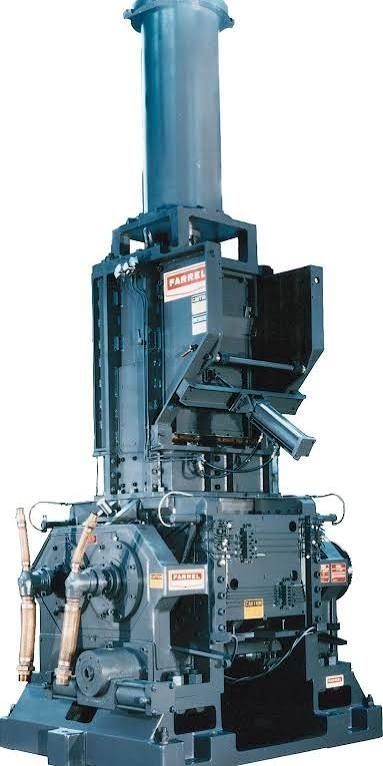
A Banbury mixer machine normally consists of a mixing chamber, rotors, a feeding arrangement, a ram or pressure mechanism, temperature controls, and a discharge system. The exact design varies according to the material, batch size, operating conditions, and production requirements.
How Internal Mixing Works
During a typical mixing cycle, rubber is introduced into the chamber first or together with selected ingredients. The rotors then move the material through different regions of the chamber, creating mechanical forces that help distribute the ingredients.
Heat develops from mechanical energy and may also be controlled through the chamber and rotor cooling system. Operators monitor variables such as temperature, mixing time, rotor speed, and energy input because these factors influence the resulting compound.
An industrial Banbury mixer may use different rotor profiles and chamber configurations for particular applications. A high capacity Banbury mixer is generally designed around larger batch volumes, while smaller internal mixers can be used for laboratory development, testing, or lower-volume production.
Materials Used in Rubber Mixing
A rubber mixing machine can process a range of compound ingredients. Common material groups include:
- Base polymers that provide the primary rubber structure.
- Fillers that influence properties such as hardness, strength, or density.
- Plasticizing materials that affect processing behavior.
- Pigments used to change compound appearance.
- Chemical additives that support curing and other material characteristics.
The formulation determines the sequence in which ingredients are introduced and the conditions used during mixing. Consistent measurement and controlled processing are important because variations can affect compound behavior.
Importance
Rubber compounds are used in many products, including tires, seals, hoses, belts, vibration-control components, footwear components, and industrial molded products. The quality and consistency of the compound can influence the characteristics of the finished item.
An industrial rubber mixer provides a controlled environment for combining multiple ingredients. This is important because rubber compounds can contain materials with different physical characteristics that need to be distributed evenly.
Supporting Consistent Compounding
An internal mixer machine helps combine ingredients through controlled mechanical forces rather than relying entirely on manual handling. The enclosed chamber can also provide greater control over the mixing environment compared with some open processing methods.
Rubber compound mixing equipment is used when manufacturers need repeatable mixing conditions across batches. Parameters such as rotor speed, temperature, fill level, and mixing duration can be recorded and adjusted according to the formulation.
Applications Across Rubber Industries
Rubber processing equipment is found in industries that produce different types of rubber components. Tire manufacturing is a major application area, while other applications include technical rubber products, molded components, hoses, belts, gaskets, and various industrial parts.
A heavy duty rubber mixing machine may be configured for demanding production environments involving substantial material quantities. In contrast, development laboratories may use smaller equipment to test formulations before larger-scale processing.
Main Operating Considerations
Several factors influence how a Banbury mixer performs during a mixing cycle. These include:
| Factor | Role in Mixing |
|---|---|
| Rotor speed | Influences mechanical shear and material movement |
| Mixing temperature | Affects material behavior and compound development |
| Mixing time | Determines how long ingredients remain under mechanical action |
| Chamber fill level | Influences material movement and energy transfer |
| Ingredient sequence | Affects how different materials become distributed |
| Rotor design | Influences shear, circulation, and mixing behavior |
These factors are interconnected. Increasing one parameter can affect temperature, energy use, or compound characteristics, so operating conditions are generally established around the specific formulation.
Recent Updates
From 2024 through 2026, developments in rubber mixing have generally focused on automation, digital monitoring, energy management, and improved process control. These changes build on established internal mixing principles while adding sensors, electronic controls, data collection, and connected production systems.
Automation and Digital Monitoring
An automatic Banbury mixer can use programmed controls to manage parts of the mixing sequence. Automated rubber mixing systems may control rotor speed, ram position, ingredient timing, temperature targets, and discharge conditions according to predefined parameters.
Sensors can collect information during each batch. This information may include chamber temperature, motor load, rotor speed, and mixing duration. Such data can help operators understand process behavior and identify variations between batches.
Advanced Process Control
Advanced rubber processing equipment increasingly incorporates digital interfaces and data recording. Automated internal mixing systems can connect mixing equipment with broader production-control platforms, allowing batch information to be associated with material records and process parameters.
Industrial rubber compounding systems may also use data analysis to examine patterns across production runs. This can support process evaluation without changing the fundamental mechanical principles of internal mixing.
Energy and Material Management
Energy efficiency has become an important consideration for industrial equipment. Modern Banbury systems may use improved drive systems, cooling arrangements, control methods, and process monitoring to manage energy consumption during mixing.
Manufacturers are also examining material handling and formulation practices to reduce unnecessary waste. These developments are particularly relevant when rubber compounds contain multiple ingredients and require precise processing conditions.
Integration With Production Systems
Advanced industrial Banbury mixing systems can be integrated with weighing, material feeding, temperature monitoring, batch tracking, and downstream processing equipment. A more connected setup can provide a continuous flow of production information from material preparation through compound discharge.
Complete rubber compounding production systems may therefore include multiple stages rather than a mixer alone. The overall arrangement can include ingredient storage, weighing, feeding, internal mixing, cooling, sheet formation, testing, and subsequent processing.
Tools and Resources
Several technical resources can help readers understand Banbury mixing and rubber compounding. Equipment manuals explain machine components, operating parameters, maintenance requirements, and safety procedures for particular models.
Process Documentation Tools
Useful documentation resources include:
- Process flow diagrams for showing the movement of materials.
- Batch sheets for recording ingredient quantities and mixing parameters.
- Equipment manuals for understanding machine-specific controls.
- Maintenance checklists for documenting inspections and routine tasks.
- Material data sheets for reviewing general properties and handling information.
Testing and Measurement Resources
Rubber laboratories use instruments to evaluate compound characteristics. Depending on the application, testing can examine hardness, viscosity, curing behavior, tensile properties, abrasion resistance, and other material characteristics.
Process data can also be reviewed using spreadsheets, production databases, or industrial monitoring platforms. These tools help organize information from individual batches and compare process variables over time.
Educational Resources
Organizations involved in rubber technology publish technical information about compounding, mixing, testing, and material science. Engineering textbooks, technical standards, equipment documentation, and industry training materials can provide additional background for readers who want to understand internal mixing technology in greater depth.
FAQs
What is a Banbury mixer used for?
A Banbury mixer is primarily used to combine rubber and other compound ingredients. It is widely associated with rubber compounding for tires, seals, hoses, belts, molded components, and other rubber products.
How does a Banbury mixing machine work?
A Banbury mixing machine uses rotating rotors inside an enclosed chamber to move and mechanically work rubber compounds. Heat, pressure, shear, mixing time, and ingredient sequence all influence the mixing process.
What is the difference between an industrial Banbury mixer and a rubber mixing machine?
An industrial Banbury mixer is a specific type of internal mixing equipment, while the term rubber mixing machine can describe a wider range of equipment used for combining and processing rubber. Banbury equipment is characterized by its enclosed chamber and rotor-based mixing action.
What is an automatic Banbury mixer?
An automatic Banbury mixer uses electronic controls and sensors to manage selected parts of the mixing cycle. Depending on its configuration, it can monitor temperature, rotor speed, mixing time, ram position, and other process variables.
What are automated rubber mixing systems?
Automated rubber mixing systems combine internal mixers with related equipment and digital controls. They may coordinate ingredient feeding, batch processing, monitoring, discharge, and production records as part of a broader rubber compounding process.
Conclusion
Banbury mixing technology uses enclosed chambers and rotating rotors to combine rubber with selected compound ingredients under controlled conditions. The technology supports applications across tire manufacturing and other rubber-processing industries. Recent developments have emphasized automation, digital monitoring, process data, energy management, and integration with wider production systems. Understanding the equipment, materials, operating factors, and supporting resources provides a foundation for understanding modern rubber compounding.