Autonomous Manufacturing Machine: An Overview of Smart Industrial Automation
An autonomous manufacturing machine is an industrial system designed to perform production tasks with limited human intervention.
It uses sensors, control software, robotics, and data analysis to monitor operating conditions and carry out predefined activities. Autonomous manufacturing equipment is becoming part of modern industrial environments where manufacturers are exploring ways to coordinate machinery, manage production, and improve operational consistency.
The concept developed from traditional industrial automation, which introduced programmable machines and automated production lines. Over time, advances in artificial intelligence (AI), machine vision, robotics, and connected devices expanded the ability of machinery to respond to changing conditions. These developments have contributed to industrial autonomous machinery that can perform selected tasks and adjust certain operations based on available information.
Unlike a conventional automated manufacturing machine that generally follows fixed instructions, an autonomous production machine may use sensor data and decision-making software to respond to variations. However, autonomy exists at different levels. Some machines operate independently during a particular task, while others depend on human supervision, external control systems, or coordinated factory operations.
Main Components of Autonomous Manufacturing Equipment
Autonomous manufacturing equipment combines several technologies that work together to support production activities.
- Sensors and machine vision: Collect information about materials, machine conditions, positioning, and the surrounding environment.
- AI and data processing: Analyze information, recognize patterns, and support operational decisions.
- Robotics and mechanical systems: Perform activities such as assembly, material handling, inspection, and component movement.
- Control software: Coordinates machine functions and manages operational instructions.
- Communication networks: Allow equipment to exchange information with other machines and factory systems.
These components form the foundation of intelligent manufacturing systems, although their configuration varies according to the production environment.
How Autonomous Manufacturing Machines Work
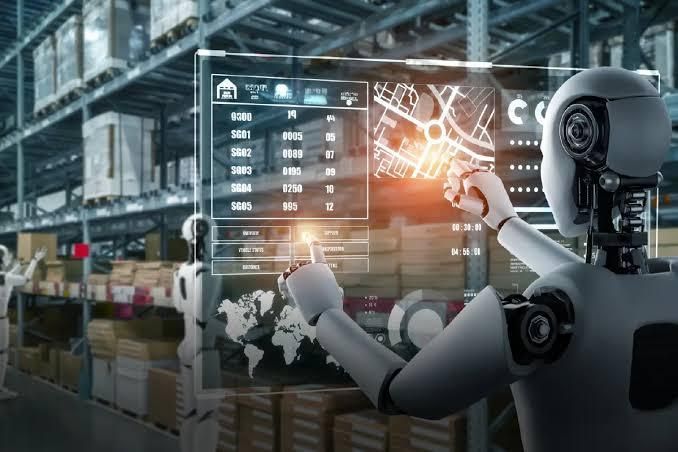
An autonomous production machine typically follows a cycle involving sensing, processing, decision-making, and action. For example, a robotic system may identify an object using machine vision, determine its position, and move it to a designated location.
Autonomous machine control systems can also monitor operating conditions and respond to predefined changes. Depending on the equipment, these responses may include adjusting movement, changing production parameters, or alerting an operator when an unexpected condition occurs.
Importance
Autonomous manufacturing machines matter because industrial production involves repetitive tasks, changing operating conditions, and coordination between multiple pieces of equipment. These systems can help manage certain activities that require consistent movement, inspection, or data-based control.
Manufacturers, equipment operators, engineers, and supply chain organizations are among the groups affected by industrial automation. The technology can also influence consumers through its role in producing everyday goods, electronic components, vehicles, packaging, and industrial materials.
Improving Production Consistency
Repeated manual operations can vary because of differences in timing, positioning, and working conditions. Smart manufacturing machinery can perform defined tasks according to programmed instructions and sensor feedback.
For example, an autonomous robotic manufacturing system may assemble components using specified movement patterns. Inspection systems can identify visible defects or dimensional differences, depending on their sensors and detection capabilities.
Supporting Workplace Safety
Some industrial tasks involve heavy materials, high temperatures, repetitive movements, or hazardous environments. Autonomous industrial systems can perform selected activities in areas where direct human involvement may create additional risks.
However, autonomous equipment also introduces safety concerns involving unexpected movement, system failures, and interactions between people and machines. Physical safeguards, emergency stops, risk assessments, and appropriate operating procedures remain important.
Managing Operational Challenges
Industrial production can be affected by equipment downtime, material shortages, inconsistent product inputs, and changes in production requirements. AI-driven industrial machinery may use operational data to identify unusual patterns or support adjustments.
Autonomous systems also have limitations. They require suitable data, reliable equipment, appropriate programming, and regular maintenance. Complex decisions and unusual situations may still require human judgment.
Recent Updates
Developments from 2024 through 2026 have focused on combining artificial intelligence, robotics, machine vision, and connected industrial systems. Manufacturers are exploring how these technologies can support more flexible production environments and coordinate different stages of manufacturing.
AI-Powered Manufacturing Machines
AI powered manufacturing machine technology is expanding the use of data analysis in industrial operations. AI models can help identify visual defects, classify materials, detect unusual machine behavior, and support selected production decisions.
The capabilities depend on the available data, the AI model, and the operating environment. AI-driven industrial machinery does not automatically understand every production situation, and human oversight remains relevant for uncertain or safety-sensitive decisions.
Robotics and Flexible Production
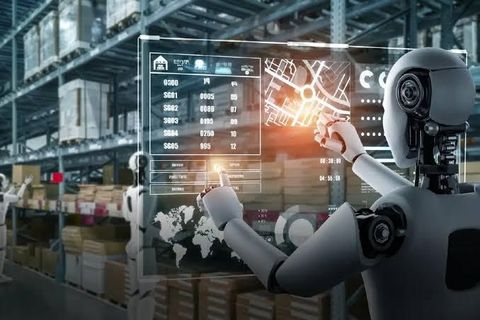
Autonomous robotic manufacturing systems are being developed for activities such as component assembly, machine tending, material movement, and quality inspection. Improvements in sensors and machine vision can help robots work with objects whose positions or appearances vary.
Collaborative robots and autonomous mobile robots are also influencing factory layouts. These systems can support interactions between production equipment, work areas, and material transportation processes, subject to their operating limits and safety requirements.
Connected and Intelligent Factory Systems
Autonomous industrial automation increasingly involves communication between individual machines and larger factory platforms. Equipment can exchange production information with monitoring systems, manufacturing execution systems, and planning software.
These connections contribute to smart autonomous production systems that coordinate selected activities across different production stages. Integration with existing machinery, cybersecurity, and compatibility between industrial technologies remain important considerations.
| Technology | Main Function | Example Application |
|---|---|---|
| Machine vision | Identifies objects and visual differences | Product inspection |
| Industrial robotics | Performs physical operations | Component assembly |
| AI analytics | Detects patterns in operational data | Equipment monitoring |
| Autonomous mobile robots | Moves materials through facilities | Factory transportation |
| Machine control systems | Coordinates equipment operations | Automated production |
| Connected factory software | Exchanges production information | Workflow coordination |
Tools and Resources
Understanding autonomous manufacturing requires knowledge of industrial equipment, software, robotics, and production processes. Several types of tools and learning resources help explain how these systems are designed and operated.
Simulation and Design Tools
Manufacturing simulation software allows engineers to model production layouts, machine movement, and workflow behavior. Digital twins can represent physical equipment or production processes using operational data and computer-based models.
Robotics simulation environments can also help users study robot paths, movement limitations, and interactions with other equipment before implementing changes in physical production areas.
Industrial Automation Platforms
Programmable logic controllers, industrial robots, machine vision platforms, and supervisory control systems are commonly used in automated manufacturing environments. Their documentation explains how equipment communicates, processes instructions, and responds to operating conditions.
Technical learning resources from organizations such as the International Society of Automation and the National Institute of Standards and Technology provide information about industrial automation, manufacturing technology, and cybersecurity considerations.
Monitoring and Optimization Resources
Production monitoring platforms collect information about machine activity, equipment status, and manufacturing performance. Process analysis tools can help identify production delays, repeated errors, and unusual operating patterns.
These resources support the evaluation of advanced manufacturing automation systems. Their usefulness depends on accurate data collection, suitable system integration, and clear operational objectives.
FAQs
What is an autonomous manufacturing machine?
An autonomous manufacturing machine is industrial equipment that performs selected production activities with limited human intervention. It uses technologies such as sensors, software, robotics, and sometimes artificial intelligence to monitor conditions and control operations.
How does autonomous manufacturing equipment work?
Autonomous manufacturing equipment collects information through sensors or cameras, processes that information using control software, and performs actions according to programmed rules or supported decision-making capabilities.
What is the difference between automated and autonomous manufacturing machines?
Automated machines generally follow predefined instructions to perform specific tasks. Autonomous machines may also use sensor feedback or intelligent software to respond to certain changes without requiring a new instruction for every action.
Where are autonomous industrial systems used?
Autonomous industrial systems are used in manufacturing, warehousing, electronics assembly, automotive production, material handling, and inspection environments. Their applications depend on equipment capabilities and operational requirements.
What is a fully autonomous manufacturing system?
A fully autonomous manufacturing system describes a production environment designed to coordinate most or all defined manufacturing activities with minimal routine human intervention. In practice, complete independence is difficult to achieve because supervision, maintenance, safety management, and unexpected situations still require human involvement.
Conclusion
Autonomous manufacturing machines combine robotics, sensors, control software, and AI technologies to perform selected industrial activities with limited human intervention. Their development is contributing to more connected production environments and expanding the capabilities of industrial automation. However, system reliability, workplace safety, cybersecurity, integration, and human oversight remain important considerations. Understanding these technologies provides a foundation for examining how modern manufacturing processes are changing.