A Complete Guide to Temperature Sensors: Explanation, Knowledge & Tips
Understanding Temperature Sensors – What They Are and Why They Exist Temperature sensors are devices that detect and measure the level of heat or cold in an object, environment, or system. They convert that measurement into a signal—usually electrical—that can be read or recorded by another device.
These sensors exist because temperature plays a vital role in nearly every aspect of daily life and industry. From maintaining room comfort to protecting machine parts from overheating, temperature sensors provide the data needed to ensure efficiency, safety, and consistency.
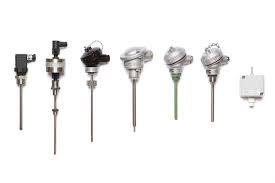
In short, they act as the bridge between real-world temperature changes and the systems that need to respond to them—such as thermostats, machinery controls, or monitoring software.
Why Temperature Sensors Matter Today, Who Is Affected, and What Problems They Solve
Why they matter
Temperature sensors are essential in industries like manufacturing, healthcare, energy, electronics, and agriculture. Their importance lies in helping to:
-
Maintain safe working and storage conditions
-
Improve energy efficiency by optimizing heating and cooling systems
-
Preserve the quality of products in food or pharmaceutical industries
-
Enable automation and data-driven decisions in modern smart systems
Who they affect
-
Engineers and technicians who monitor equipment and production lines
-
Facility and property managers responsible for HVAC or refrigeration systems
-
Farmers using temperature data for soil, crop, or greenhouse management
-
Consumers using home thermostats and wearable devices
-
Researchers developing new sensor materials and technologies
Problems they solve
-
Preventing overheating or freezing that can damage materials or components
-
Ensuring regulatory compliance in industries that require controlled temperatures
-
Reducing energy waste through better monitoring and control
-
Predicting maintenance needs before equipment failures occur
-
Supporting the development of smart, connected monitoring systems
By turning temperature data into actionable insights, sensors help maintain safety, efficiency, and sustainability across many fields.
Recent Updates, Trends, and News
In the past few years, temperature sensor technology has advanced rapidly. Key developments include:
-
Integration with IoT: Sensors are increasingly connected to smart networks, allowing remote monitoring and automated control.
-
Miniaturization: Smaller sensors are being designed for use in wearables, medical devices, and compact electronics.
-
Advanced materials: New materials and printing techniques have led to flexible and more accurate sensors.
-
Industrial applications: Growth in electric vehicles, renewable energy systems, and manufacturing has increased demand for rugged, high-accuracy sensors.
-
Non-contact measurement: Infrared and optical sensors are becoming more common for situations where physical contact is unsafe or impractical.
Overall, the global temperature sensor market continues to expand, supported by innovations in connectivity, precision, and sustainability.
Laws, Policies, and Standards Affecting Temperature Sensors
Temperature sensors are governed by various national and international standards to ensure safety, accuracy, and reliability.
In India, the Legal Metrology Act (2009) oversees standardization for measuring instruments, including temperature devices. Additionally:
-
IS 2848:1986 defines the specifications for industrial platinum resistance thermometers.
-
IS 6524:1972 outlines the installation and observation practices for embedded resistance thermometers in large concrete structures.
-
IS/IEC 60730-2-9:2011 sets requirements for automatic temperature-sensing electrical controls used in HVAC and industrial systems.
Globally, temperature sensors often adhere to international certifications such as CE, UL, and ATEX, which ensure that devices meet safety and performance standards across regions.
Such laws and standards are crucial in maintaining consistent quality and ensuring that measurements are accurate and trustworthy.
Tools and Resources for Learning and Using Temperature Sensors
If you want to explore temperature sensors further or apply them effectively, several resources can help:
-
Technical Guides and Tutorials:
Learn about thermocouples, RTDs, thermistors, and infrared sensors through educational websites and online technical articles. -
Industry Reports:
Market studies on temperature sensor trends can provide insight into future developments and adoption across industries. -
Standards Documents:
Indian and international standards (such as IS and IEC codes) offer details on testing, calibration, and installation practices. -
Selection Guides:
Many engineering resources explain how to choose the right type of sensor based on range, environment, and response time. -
Educational Videos:
Visual explanations and animations make it easier to understand how different sensor types operate. -
Calibration and Testing Tools:
Calibration labs and portable testing devices are essential for ensuring sensors remain accurate and consistent over time.
These tools help students, professionals, and researchers deepen their understanding of temperature sensing and its practical applications.
Frequently Asked Questions (FAQs)
Q1. What are the main types of temperature sensors and how do they differ?
Common types include:
-
Thermocouples: Work based on the voltage generated by two dissimilar metals at different temperatures; durable and suitable for wide ranges.
-
RTDs (Resistance Temperature Detectors): Use metals like platinum whose resistance changes predictably with temperature; offer high accuracy and stability.
-
Thermistors: Made of semiconductor materials that change resistance rapidly with temperature; highly sensitive over limited ranges.
-
Infrared Sensors: Measure temperature without physical contact by detecting thermal radiation; ideal for moving or distant objects.
Q2. What factors should be considered when selecting a temperature sensor?
Important considerations include:
-
Required temperature range
-
Desired accuracy and response time
-
Type of measurement (contact or non-contact)
-
Environmental conditions such as moisture, vibration, or corrosion
-
Output signal type and compatibility with systems
-
Calibration and maintenance needs
Q3. What is the difference between contact and non-contact sensors?
Contact sensors touch the object they measure, while non-contact sensors detect infrared radiation emitted from the surface. Non-contact models are especially useful for high-temperature or hazardous environments.
Q4. Why is calibration important for temperature sensors?
Over time, sensors may drift from their original accuracy due to wear or environmental effects. Regular calibration ensures that measurements remain precise and dependable, which is critical for safety and quality control.
Q5. What standards apply to temperature sensors in India?
Key standards include IS 2848 for industrial RTD sensors, IS 6524 for embedded thermometers, and IS/IEC 60730-2-9 for automatic temperature controls. These standards ensure uniform performance and compliance across applications.
Example Comparison Table
| Sensor Type | Temperature Range | Accuracy | Typical Uses | Contact Type |
|---|---|---|---|---|
| Thermocouple | -200 °C to +1,800 °C | Moderate | Industrial furnaces, engines | Contact |
| RTD | -200 °C to +850 °C | High | Laboratory, industrial process control | Contact |
| Thermistor | -100 °C to +300 °C | Very High | Medical devices, climate control | Contact |
| Infrared Sensor | -50 °C to +3,000 °C | Moderate-High | Moving machinery, hazardous environments | Non-Contact |
Conclusion
Temperature sensors are fundamental to modern life and industry. They ensure safety, maintain quality, and enable automation by converting physical temperature changes into measurable data.
With recent advances in connectivity, smart technology, and materials, these sensors are becoming smaller, more accurate, and more efficient. Compliance with international standards and regular calibration ensures that they continue to perform reliably in every field—from engineering to healthcare to environmental monitoring.
Understanding how temperature sensors work, what types are available, and which standards apply helps anyone—from students to engineers—make better, more informed decisions about their use.